
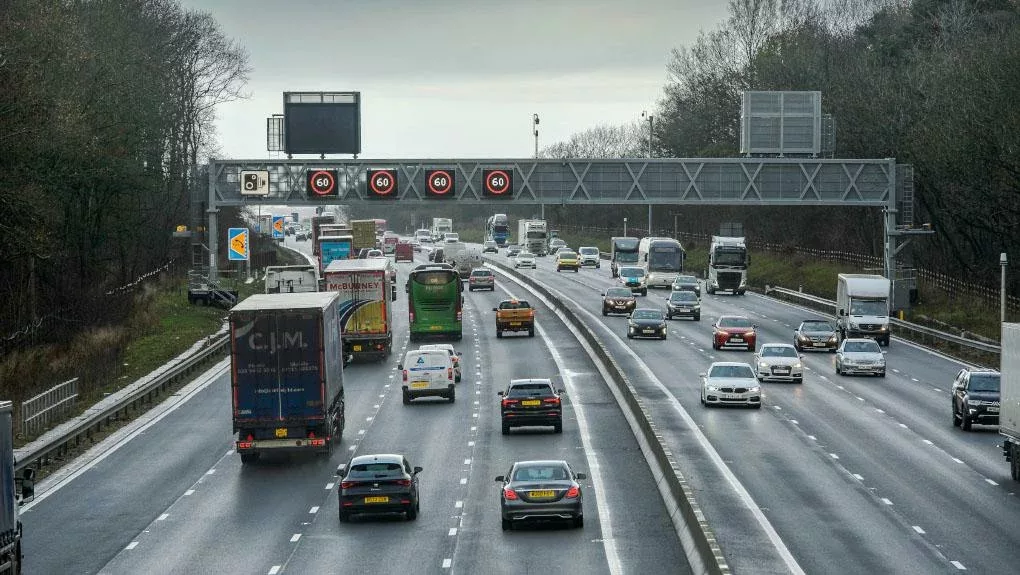
The latest available data shows that recent improvements in road user safety on England’s strategic road network levelled out in 2024, the Office of Rail and Road (ORR) has revealed.
ORR’s fourth annual assessment of safety on the strategic road network shows National Highways is set to miss its safety target, set by government in the second Road Investment Strategy.
1,931 people were killed or seriously injured on the strategic road network in 2024, an increase of 23 compared to 2023. However, because traffic rose by a similar proportion over the same period, the casualty
rate was unchanged at 19.9 people killed or seriously injured per billion vehicle miles travelled. This measure matches the lowest rate recorded outside of the COVID-19 pandemic.
National Highways has completed 41 of 43 actions in its enhanced safety action plan, which it created at the request of ORR to support closing the gap to its safety target. Covering the period to 2025, some of these
actions are not yet reflected in casualty figures, and additional actions have been set out to cover the interim year between Road Period 2 and Road Period 3.

ORR recognises some areas of road user safety are outside of National Highways’ direct control. As the third road period begins, it is important that National Highways is better able to identify those areas where it does have control or can influence relevant stakeholders, and quantify how its actions contribute to safety improvements.
ORR’s report shows the performance of stopped vehicle detection technology on smart motorways continues to meet national standards. In the first year since delivering all its actions under the smart motorway evidence stocktake and action plan, National Highways is making progress with its evaluation of the effectiveness of these measures, although several years of robust data will be needed before firm conclusions can be drawn. ORR has told National Highways that it should ensure that when the conclusions are ready they are communicated clearly to the public.
In its report, ORR raised concerns about delays to National Highways’ programme to upgrade existing roadside technology, which includes CCTV, MIDAS (Motorway Incident Detection and Automatic Signalling), signs and
signals. The programme is now due to complete more than a year later than originally planned. National Highways must demonstrate that it has learned the lessons from these delays, including around asset data and integration with existing infrastructure, so that it can reliably and effectively deliver renewals across the wider strategic road network in Road Period 3.
Feras Alshaker, Director, Planning and Performance, said:
“National Highways is working hard to improve safety on the strategic road network, but we think it more likely than not that the company will have missed its safety target set by government. Delays to upgrades of roadside technology are a concern ahead of the next road period. National Highways needs to demonstrate it can learn the lessons from this programme and can deliver its large portfolio of renewals reliably across the wider network in the next road period.”
A National Highways spokesperson said:
“Safety is our top priority and our ambition remains that no one should be harmed on our roads. While casualty rates on motorways and major A roads remain lower than in previous years, we will continue to work with our road safety partners to do everything within our control to keep people safe.”
(Picture: ORR)