Bus Users UK has welcomed measures in the Autumn Budget that will offer relief to many households, particularly the increase in the National Living Wage, but the charity warned that for the bus network, and the millions of people who rely on it, the Budget represents a troubling contradiction.
Lydia Horbury, Chief Executive of Bus Users UK said:
“This year’s Budget seeks to ease the cost of living for workers while increasing the financial pressures on essential bus services that enable those same people to travel to work, education, healthcare and daily life.
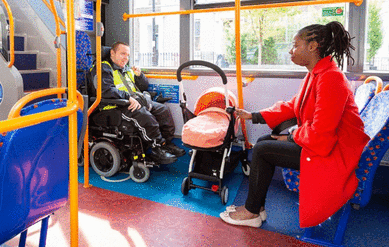
“As the most accessible form of public transport, buses are indispensable to disabled people, older and younger passengers, families and those with mobility needs who would otherwise be cut off from essential services. These passengers must not be side-lined in a Budget that places such significant emphasis on drivers and rail users.
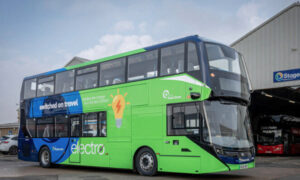
“A single double-decker bus has the capacity to remove up to 75 cars from the road, delivering immediate improvements in congestion, air quality and journey reliability. If the Government is serious about creating a cleaner, fairer and more inclusive transport system, it must provide stable, long-term support for bus services. Without this, the people who rely on the most widely used public transport mode will continue to bear the greatest cost.”
The structural challenge of operating costs
The rise in the National Living Wage and recent employer National Insurance changes place significant pressure on an industry where labour already accounts for more than half of operating costs. Without sustained government support, these unavoidable cost increases risk being passed directly to passengers in the form of reduced services. This is particularly concerning for rural and peripheral communities where buses remain a vital social and economic link.
Fuel duty: a temporary reprieve, not a long-term strategy
The continuation of the fuel duty freeze provides short-term relief, but the staged reversal of the five pence reduction means pressures will quickly return. The Government has missed a critical opportunity to exempt bus and coach services from future rises. This decision imposes an avoidable financial burden on networks that millions depend on for essential journeys.
The investment imbalance: motoring and mobility
The Budget includes more than £2 billion of support for the transition to electric vehicles, including tax incentives and business rates reliefs that will make car ownership more attractive. While these measures support a shift to cleaner motoring, they must be matched by equally ambitious and long-term investment in public transport. A policy landscape that prioritises drivers risks widening inequality, leaving behind those who cannot afford to own a car and who rely on the bus as their primary or only means of travel. This includes young people, older residents, disabled passengers and low-income families.
Road pricing and infrastructure quality
The proposed introduction of a pay-per-mile road user levy for electric cars from 2028 could be a positive development. A fair usage system has the potential to reduce unnecessary car journeys, ease congestion and improve bus journey times. However, this will only benefit passengers if revenue and savings are reinvested into maintaining and improving local bus services, rather than absorbed into wider transport budgets.
The commitment to doubling funding for local roads and repairing potholes is welcome. Smooth, well-maintained roads are essential not only for motorists but also for bus passengers. Poor road surfaces delay services, damage vehicles and create particular barriers for disabled people and those with mobility needs. Road investment must be accompanied by stable and long-term funding for the services that travel along them.
A call for stable and enduring support for buses
Investment in major infrastructure projects, such as the Lower Thames Crossing and the extension of the Docklands Light Railway, together with the freeze on rail fares, will benefit many. Yet these measures overlook the simple reality that the bus is the most used form of public transport in the UK, carrying more passengers every day than rail and light rail combined. For millions of people who live beyond major rail corridors, the bus is not merely an alternative but the only practical, affordable and accessible mode of public transport available to them.
(Picture: Bus Users UK)