The Chartered Institution of Highways & Transportation (CIHT) has responded to the Department for Transport’s (DfT’s) draft Cycling and Walking Investment Strategy [1] (CWIS3), welcoming its ambition to
make active travel safer and more accessible, while urging greater clarity on performance measures and stronger support for rural areas.
Sue Percy CBE, Chief Executive, CIHT said:
“CIHT welcomes CWIS3 as a vital step toward healthier, more connected communities. To succeed, the strategy must ensure accessibility for all, integrate with public transport, and provide rural-sensitive measures.
We look forward to working with DfT and Active Travel England (ATE) to make active travel a safe, inclusive and sustainable choice nationwide.”
In its formal consultation response, CIHT has expressed agreement with the proposed national vision and safety objectives but recommends refining the language to ensure inclusivity. Instead of aiming to make
active travel “an easy choice,” CIHT suggests the objective should be “an accessible and safe choice,” reflecting the realities of rural communities and older or less mobile populations.
CIHT calls for the key performance indicators (KPIs) to better align with objectives and include measures for:
* Integration with public transport.
* Infrastructure maintenance and resilience.
* Health and well-being outcomes.
KPIs and more qualitative monitoring of active travel should aim to determine whether infrastructure is attractive to all, and used by all regardless of factors such as age, gender and disability.
CIHT believes that applying trip-based metrics without rural-sensitive calibration risks reinforcing systemic disadvantages. We also highlight the need for clarity on Local Transport Authority (LTA) performance indicators and how they relate to overarching KPIs.
To support delivery, CIHT urges Active Travel England (ATE) to:
* Continue building local authority expertise (in particular reference to rural areas).
* Share best practice and case studies.
* Facilitate funding and partnerships to overcome resource gaps.
CIHT also calls for CWIS3 to commit to:
* Seamless integration with public transport.
* Embedding active travel in housing and infrastructure planning.
* Long-term funding for maintenance and skilled workforce development.
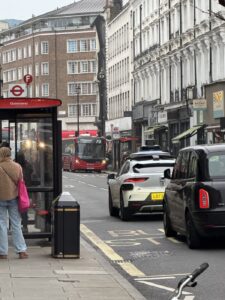
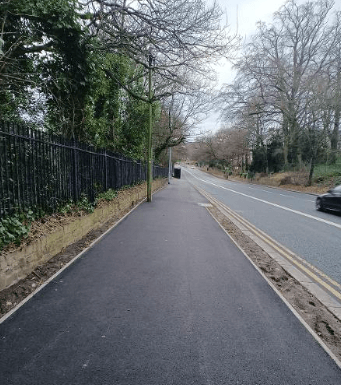
(Picture: Courtesy of Durham County Council)