The Society of Motor Manufacturers and Traders (SMMT) has warned that industry discounts for electric vehicles are “unsustainable”, as the number of new cars registered in the UK exceeded two million last year for the first time since the pandemic. Nearly 500,000 of those new cars sold were electric.
SMMT chief executive, Mike Hawes, welcomed what he called a “reasonably solid result amid tough economic and geopolitical headwinds”.
But electric car sales were still not increasing fast enough to meet official targets, he said, warning of a growing gap between consumer demand and the government’s ambitions, says the BBC.
Discounts worth thousands per vehicle were “unsustainable”, he said.
In total, 2,020,373 new cars were registered in 2025, the third successive year of growth and the highest total since the pandemic.
However, it was still well short of the 2.3 million sold in 2019.
Electric cars accounted for 473,340 new registrations last year, giving them a market share of 23.4%.
That was a significant increase on 2024, but still below the government’s headline target of 28%, under what is known as the Zero Emission Vehicles Mandate (ZEV Mandate).
The mandate stipulates that carmakers which fail to sell enough electric cars, as a percentage of their overall sales, can face heavy fines.
However, there are concessions built into the rules which can enable them to avoid penalties, for example by reducing emissions from other vehicles in their fleets, or by buying surplus ’emissions credits’ from manufacturers which exceed their own targets.
These ‘flexibilities’ were extended in April, following heavy lobbying by some manufacturers, while the fines for failing to comply were reduced.
But Hawes warned that even so, carmakers were having to offer hefty discounts in order to sell enough electric models. The SMMT estimates those discounts were worth more than £5bn last year, or some £11,000 for every electric vehicle sold.
Hawes said this was unsustainable, especially with manufacturers expected to meet a more arduous target of 33% this year. He called on the government to bring forward a planned review of the ZEV Mandate, due to be carried out in 2027.
“It is increasing the number of battery electric vehicles (BEVs) being sold,” he said. “The question is, at what cost?”
Such a review, he suggested, should look at factors which have changed significantly since the targets were first planned, including a marked increase in energy prices and higher costs for raw materials, which have made life more difficult for car manufacturers.
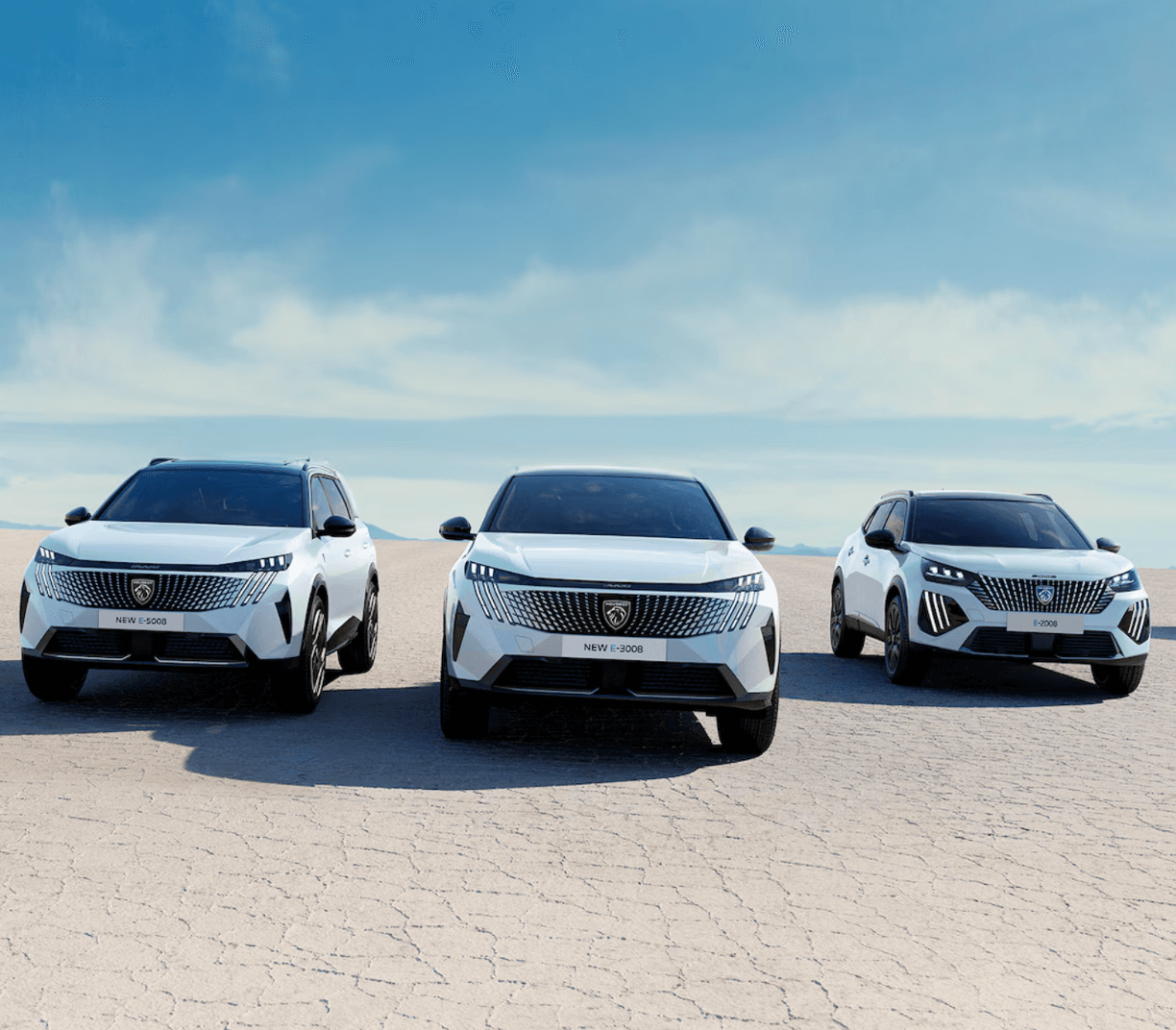
(Picture: Peugeot)