New government guidance will be issued to councils nationwide to help them consider how to make their streets safer for women and girls, Active Travel England (ATE) has today announced.
New polling by YouGov has found that almost 9 in 10 women have felt unsafe while walking at night, while 7 in 10 have changed their route to avoid walking in the dark during winter or darker months.
Inadequate lighting, poorly maintained routes, personal safety fears and antisocial behaviour were identified as key barriers, with the majority of respondents saying they would feel safer walking in their neighbourhoods if key issues were addressed. This was echoed in Liverpool on the evening of 24 March where Local Transport Minister, Lilian Greenwood, walked on several streets with a group of women and girls to talk about what they need to feel safer.
New government guidance will be published in 2026 alongside training sessions in the spring, outlining how local authorities can design their streets to be safer for women and girls.
The guidance will introduce how looking at active travel through the lens of gender can help create safer and more inclusive places, including explaining the importance of implementing better-designed street lighting and improved visibility, as well as established walking routes along roads that are generally busy and overlooked by other people and CCTV.
Local Transport Minister, Lilian Greenwood said:
“No one should worry about getting to their destination safely after dark, and these stats show just how much work there is to be done.
“This programme is turning conversations into real change by working directly with the councils who design our streets to ensure women and girls in our communities feel safe to walk, wheel and cycle whenever they want to.”
Minister for Safeguarding and Violence Against Women and Girls, Jess Phillips, said:
“Violence against women and girls is a national emergency, and this government will halve it in a decade. Women and girls deserve to feel safe simply going about their lives, whether that is walking down the street, travelling, or using public spaces after dark.
“I welcome this work to design streets that make women feel safer, shifting responsibility away from women and onto the spaces and behaviours that put them at risk.”
The Department for Transport has outlined its nine commitments in the cross-government Violence Against Women and Girls (VAWG) strategy to drive change across the transport network: including improved CCTV connectivity at train stations, mandatory training for bus drivers on how to recognise and respond to VAWG as well as anti-social behaviour, and a new strategic VAWGpackage for Roads Policing.
Local authorities will be able to draw on their allocation of Active Travel England’s £626 million funding pot to address street safety issues, including improvements that make walking safer and more appealing for women and girls.
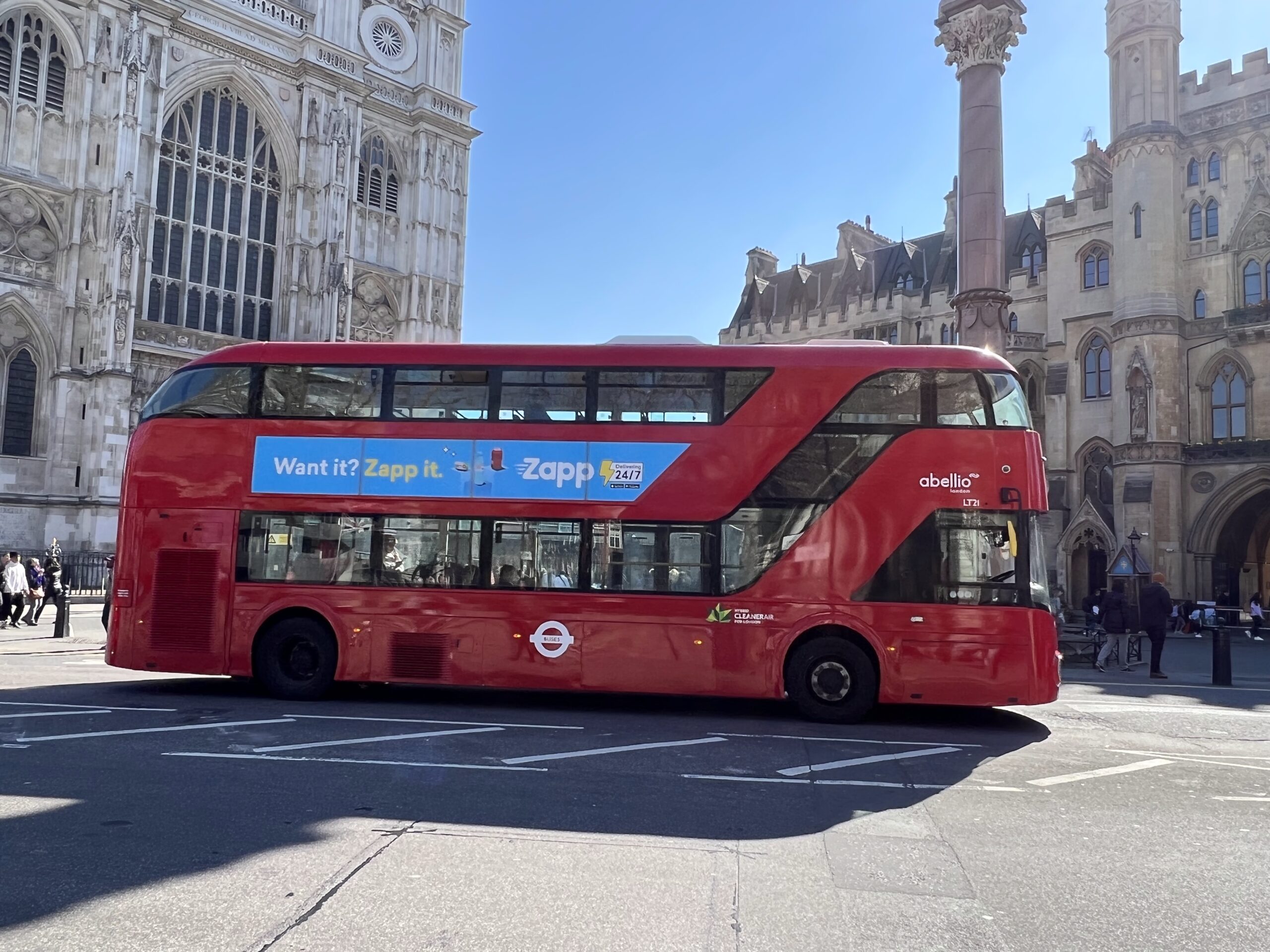
(Picture: Paul Hutton/Highways News)