The highways sector has reacted to the Government’s new “traffic light” pothole repair efficiency ratings system.
Peter Mason, Staffordshire County Council Cabinet Member for Strategic Highways, said:
“While I welcome this new approach to assessing roads, it would be interesting to see the detail on how the ratings have come about.The assessment of our road condition as Amber is not new – we have been pressing government for some time now to fund our roads properly, so we can carry out long-term lasting repairs rather than fixing problems as they arise.
“Our own assessments, fuelled by AI and other new technologies, gives us a detailed picture of the issues on our highways networks. In our recent Medium Term Financial Strategy we have already pledged to invest an extra £15 million into our roads over the next two years, and our Roadmap sets out the changes we are making to our operations to ensure more money is spent on the ground, making a difference to our residents.
“However, we are clear that more money is needed if we are to truly improve the condition of our roads.We disagree with the Best Practice Amber score, as this does not reflect the innovative work going on in Staffordshire. We do far more preventative maintenance than any other council, carrying out preventative treatments on 9% of our A roads. We have also embraced newer technologies like the Pothole Pro and Thermal Road Repairs, and use AI to assess the condition of our roads. Thanks to AI, a complete assessment of our 4,000 miles of roads has been reduced from four years to just one.What is needed from government isn’t money spent on more assessments; we need proper funding for our highways and structures. This is the only way we can improve their condition and really make a difference to Staffordshire people.”
Cllr Tom Hunt, Chair of the LGA’s Inclusive Growth Committee, said:
“This boost in funding is a helpful step in the right direction. Councils face a £17 billion backlog of road repairs. Only longer-term funding certainty will help councils more effectively plan for future maintenance schemes, focusing more on preventative measures – which will ultimately save the taxpayer money and reduce the need for repairs – and able to invest in innovation.
“While the LGA strongly believes that it is up to local communities to say how well their council is running local services through local democracy, the planned support programme offer will help support some authorities to adopt best practice.”
A spokesperson for Suffolk Highways, however, insisted that the system was based on “unfortunate inaccuracies in the data”.
“Councils weren’t told about the new system until Friday,” they said. “We believe there are unfortunate inaccuracies in the data so will be raising this with the DfT. All highways maintenance funding received from Government is fully invested in Suffolk’s highways network, including fixing potholes and resurfacing roads.
“This is why Suffolk has continued to receive all of the funding it expected this year, including incentive fund elements linked to performance.”
Cllr Johnny Thalassites, lead member for environment and planning at Kensington and Chelsea council, had similar reservations:
“It is baffling how the Government has come up with this rating and disappointing that they have published it without showing us their workings out. We can only assume this is a mistake as we had a letter from DfT recently confirming our funding and thanking us for our commitment to transparency and best practice.
“Our roads are objectively in good condition. We spent around £4.5 million on road maintenance last year, we have made major improvements to our streetscape to make our borough more welcoming and functional with more projects in the pipeline.”
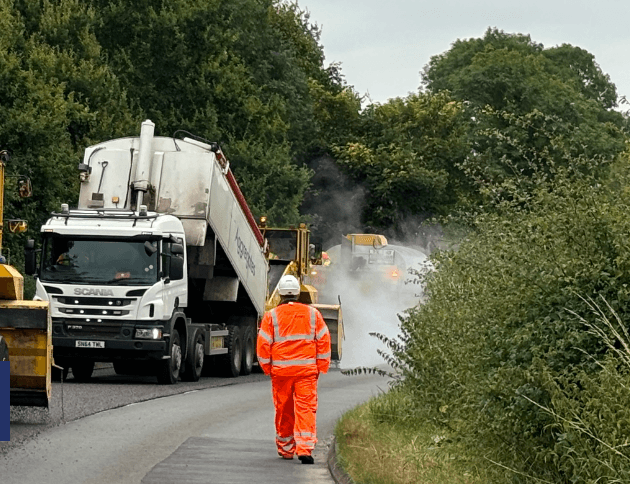
(Picture: Staffordshire County Council)