Kapsch TrafficCom, in collaboration with Comillas Pontifical University, recently hosted a webinar titled “The Future of Movement: Rethinking Congestion in the Age of Smart Cities”.
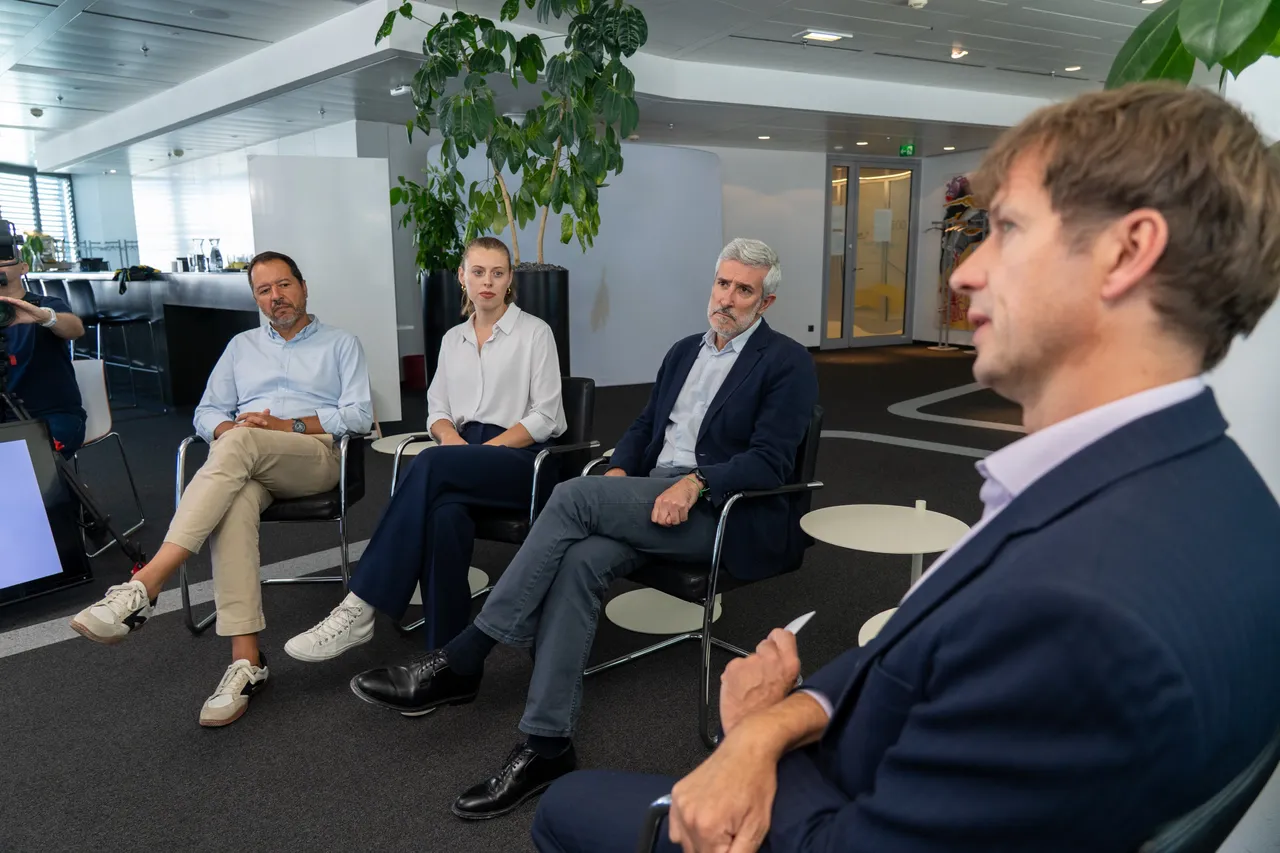
The panel, moderated by TTi’s Tom Stone, brought together leading researchers and industry experts, among them Pedro Linares, Professor of Industrial Engineering at Comillas University and Alfredo Escriba, CTO of Kapsch TrafficCom, to explore the persistent issue of urban congestion. Drawing on research from Comillas University and Kapsch experience on the field, the discussion addressed the root causes of congestion—particularly the imbalance between infrastructure capacity and peak-hour demand—and examined why simply expanding road networks often leads to induced demand and worsened traffic conditions.
During the course of the discussion, pricing crystallized as one of the key levers in managing congestion. Alfredo Escriba, CTO of Kapsch TrafficCom, explained that equity and context needs to be considered when it comes to pricing: “For someone with a high income, a toll increase of two US Dollars per trip will perhaps not make a big difference. But people with a lower income will be affected, so you have to ask if this is an intended measure. Also, you need to consider the specifics of the area where you want to implement congestion pricing. Every city has different characteristics and needs, which make a big difference in practice.”
Pedro Linares, Professor of Industrial Engineering at Comillas University, emphasized the advantages of using pricing in managing congestion: “There are two major advantages when it comes to pricing. First, it helps you understand mobility demand, because you can see who is willing to pay to access a road or a restricted area. Secondly, prices allow funds to be raised that can be used to improve your transportation system. But it really depends on how you determine the prices if you want to have an impact.”
The webinar offered valuable insights for policymakers, urban planners, and mobility innovators. To watch the full recording and explore the future of smart urban mobility, click here.
(Pic: Kapsch TrafficCom)