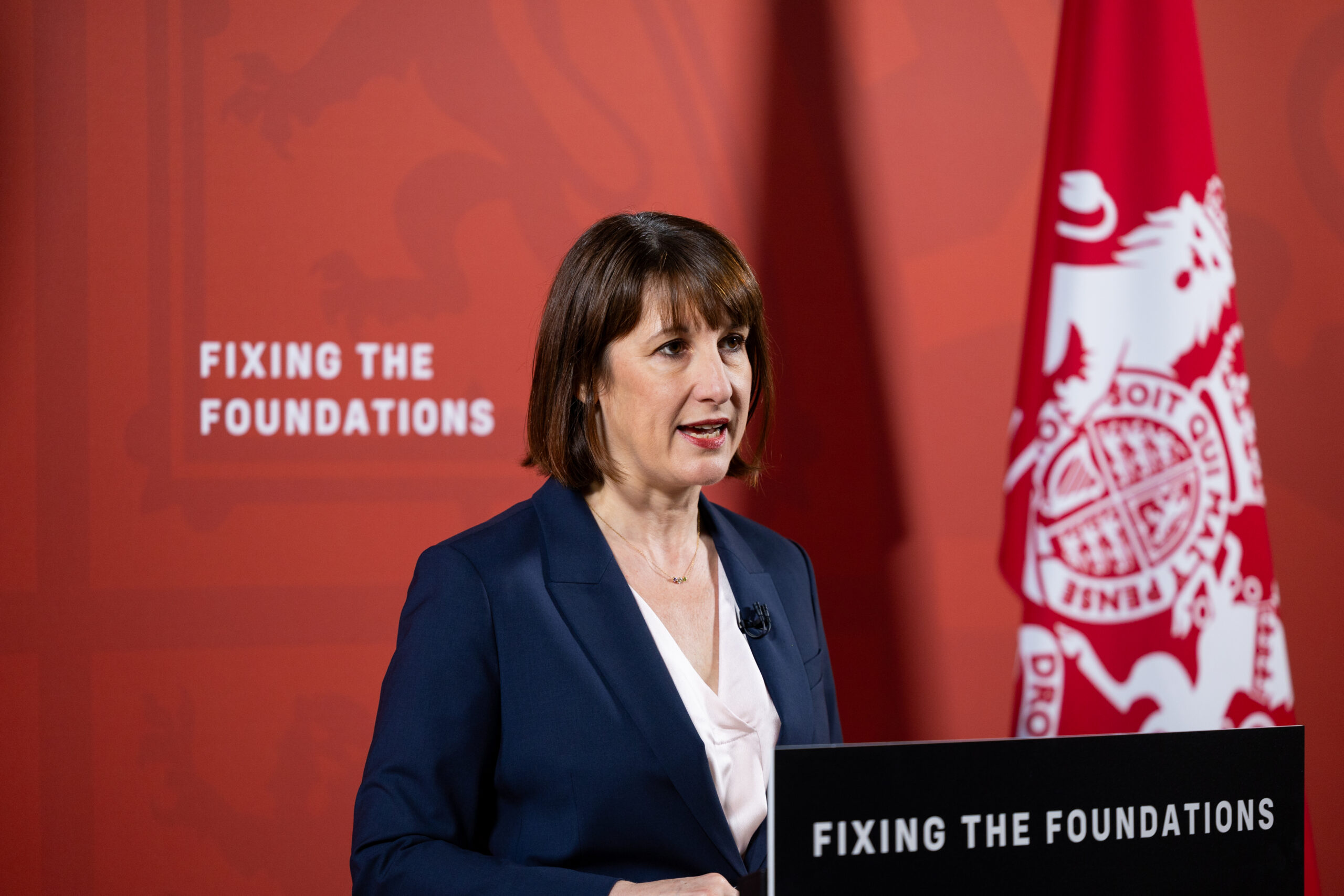
The Government is to freeze transport funding for councils ahead of Rachel Reeves’s Budget. Figures released by the DfT on Tuesday revealed every single English local transport authority has had its Local Transport Grant (LTG) funding frozen next year, says the Daily Telegraph.
It comes amid continued warnings that the Chancellor intends to raise taxes in October’s Budget to plug a financial black hole estimated at around £50bn.
A spokesman for the Local Government Association, a lobby group for councils, urged the Government to give more taxpayer money to its members.
Freezing local transport budgets for the coming years suggests Labour may start to row back on its planned public sector spending splurge. Since her party took office last year, Ms Reeves has set out an £87bn increase in public spending due to kick in over the next two years.
Yet under plans , about two-thirds of English councils will see no increase in LTG funding at all for the next four years.
The Government insisted that funding was not being “frozen”, but “rolled over” from year to year, even though in cash terms around 40 of the country’s 60 local transport authorities will see zero increase in the LTG between now and 2029.
Just 21 councils will receive extra money – and even that will be withheld until 2027 under the DfT’s plans.
The biggest winners will be Labour councils along with those under no overall political control. However, individually the largest recipients of LTG cash over the next four years will be Reform-controlled Lancashire Combined County Authority, followed by Greater Lincolnshire
LTG money is handed by the Government to transport authorities – meaning councils, whether local, county or combined authorities.
A Government source told the Telegraph that the majority of councils that are receiving increased grant funding are all in the North and the Midlands, on the basis that these are the areas in greatest need of more public money.
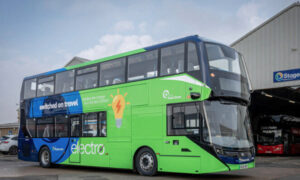
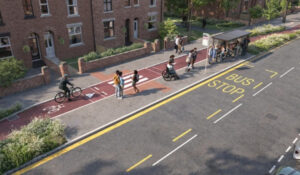
The money is supposed to be spent on improving public transport through schemes such as funding new zero emission buses, improving accessibility, reducing congestion, and making streets safer for pedestrians and cyclists.
It is roughly based on population density, meaning areas with more people living in them broadly receive more taxpayers’ cash than those with fewer people.