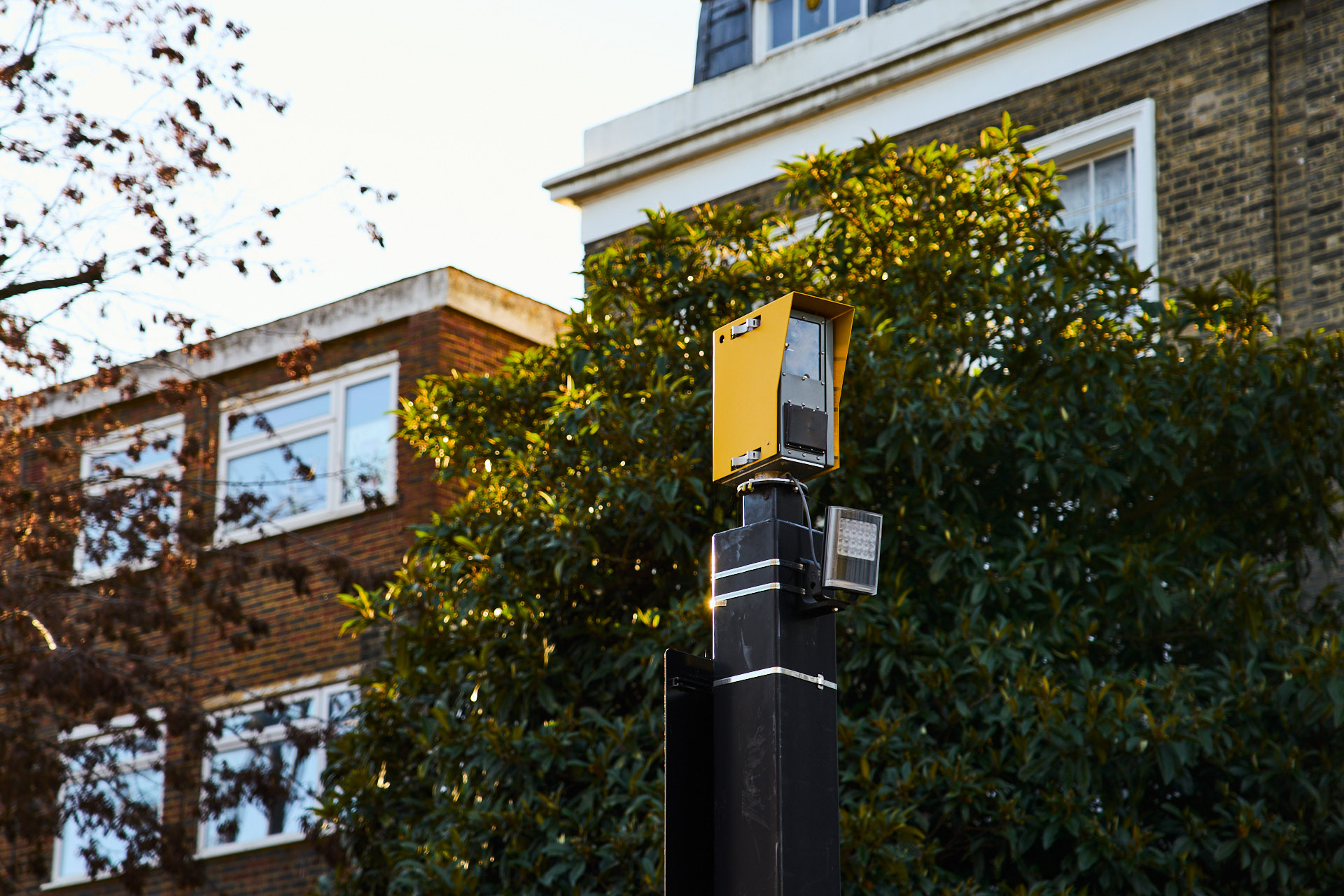
Transport for London (TfL), working in partnership with the Metropolitan Police Service (MPS), is trialling a new type of radar‑based speed camera at up to 10 sites across the capital. Evidence shows that exceeding the speed limit or travelling too fast for the conditions is a factor in around half of all fatal collisions, and TfL and the Met remain committed to enforcing safer speeds and modernising and expanding London’s safety‑camera network.
The new cameras will be installed over the next few weeks at sites in Haringey, Tower Hamlets, Havering, Croydon, Hammersmith and Fulham, Brent, Hackney, Ealing and Sutton. All sites are located on 20mph or 30mph roads and have been identified on the basis of suitability and riskn identified on the basis of suitability and risk.
The current spot speed cameras at these sites use sensors embedded in the road surface to detect the speed of all passing vehicles. The new cameras combine 4D radar and a 4k colour camera that requires no visible flash or white light and no in-ground sensors or road markings, offering increased reliability and a more effective method of detection. The cameras also provide better quality images, which in turn improves the police enforcement process for drivers caught speeding. They can provide coverage of up to five lanes of bi-directional traffic flow from a single camera, whereas the current spot speed cameras can only monitor up to three lanes of traffic, requiring sensors in each of the lanes.
All enforcement signage will be checked and cameras will be calibrated before the police begin enforcement, as per TfL/MPS policy.
Last week, TfL published the Vision Zero Action Plan 2: an ambitious new joint plan with the Mayor, MPS and boroughs to significantly reduce road danger and prevent deaths and serious injuries on London’s roads over the next five years.
The plan sets out TfL’s commitments to expanding and upgrading London’s extensive safety camera network and investing in new technology that is effective and adaptable to future enforcement needs – which includes expanding the number of safety cameras to at least 20 new locations identified based on speeding risk and or persistent community concerns about speeding. TfL also remains committed to creating safer, more welcoming high streets and neighbourhoods by delivering at least 65km of safer speed limits on the TfL road network, as well as supporting boroughs to deliver more 20mph schemes on their roads.
Siwan Hayward, TfL’s Director of Security, Policing and Enforcement, said:
“Speeding continues to be a major cause of the most devastating collisions on our roads. This trial allows us to test new radar‑based camera technology to ensure it meets London’s future enforcement needs. Upgrading our camera network is vital to maintaining strong, consistent enforcement, and together with the Met we are using every tool available to deter speeding, reduce road danger and save lives.”
(Picture: TfL)