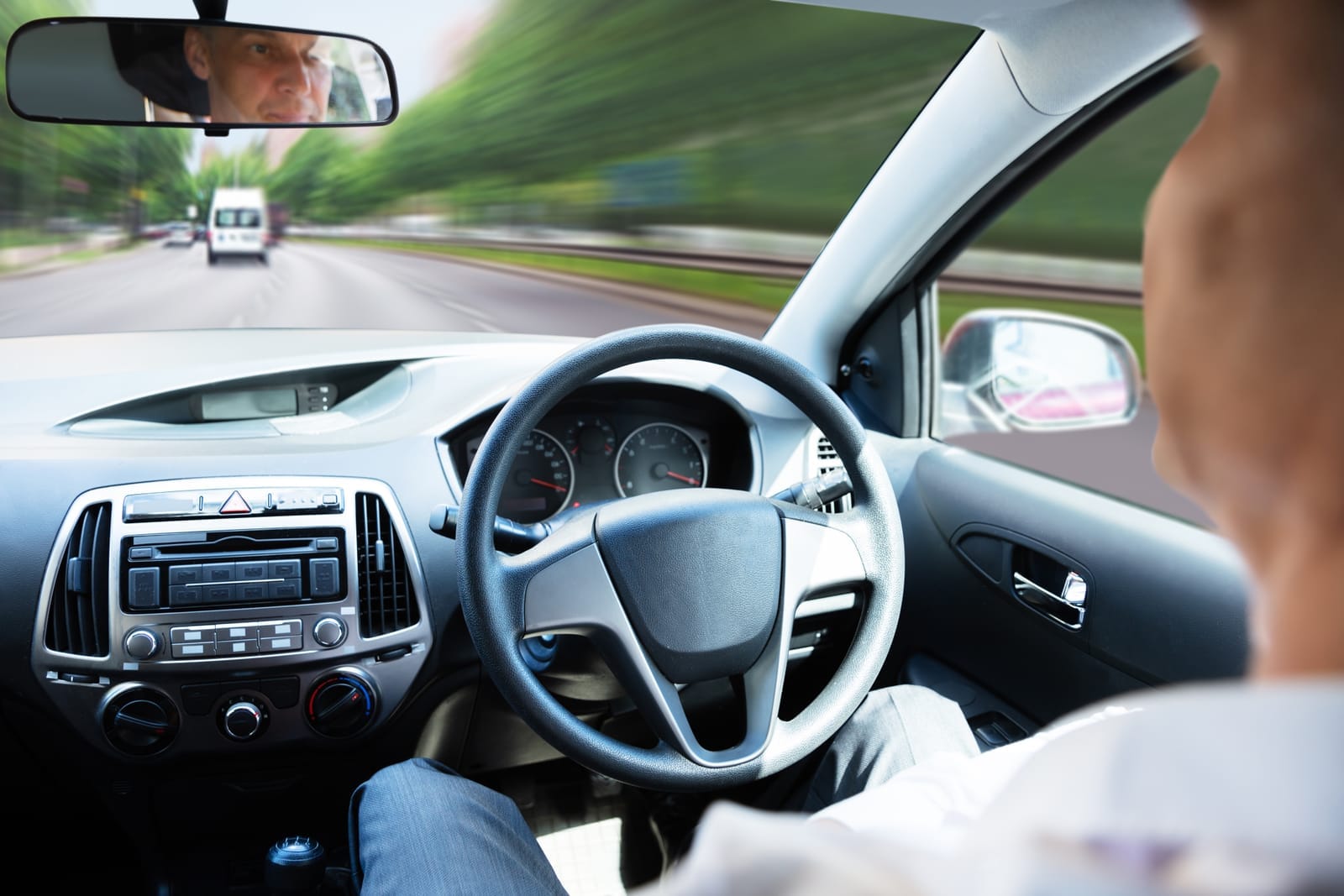
More than 75% of Northern Ireland’s motorists have admitted they would not feel safe travelling in a driverless car, according to new research. Car insurance experts CompareNI.com surveyed 800 drivers across Northern Ireland to find out their attitudes toward autonomous vehicles (AVs) and the results revealed that the overwhelming majority are sceptical of the new technology and reluctant to embrace it, says London Loves Business.
Earlier this year, the UK government delayed the rollout of driverless vehicles until late 2027 as it strives to build public trust.
While limited self-driving technology is permitted on UK roads, a human driver must be at the wheel to supervise and intervene if needed.
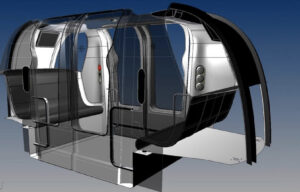
But several companies are already testing more advanced tech across the UK. In Belfast, NI’s first self-driving vehicle – the Harlander shuttle bus – is giving passengers at Titanic Quarter a taste of the future.
Ian Wilson, Managing Director and car insurance expert at CompareNI.com said:
“While it might seem like science-fiction, autonomous vehicle technology has come a long way over the last decade and is steadily becoming a reality. With robotaxis slowly expanding across the USA and trials due to begin in the UK next year, this technology looks set to become part of our daily lives in the not-too-distant future. However, there is a lot of work still to be done to shift public attitudes towards driverless vehicles.
“While fully autonomous vehicles promise to bring several benefits over human-driven vehicles, including improved road safety, lower emissions and reduced traffic congestion, our survey showed that many people still have understandable reservations about this technology. Tellingly, a whopping 94% of people believe the planned 2027 rollout of driverless cars in the UK is too soon.
“A big question a lot of people have is how this will impact insurance and who would be liable in the case of a collision? Would it be the driver, the manufacturer, or the software provider? In our survey, over a third (36%) of respondents felt the technology provider should be legally responsible for claims involving driverless cars, while a quarter felt the onus should be on the manufacturer.
“For driverless vehicles to gain widespread acceptance and become mainstream, car manufacturers, tech firms and insurers will need to work together to bridge the trust gap that currently exists and make people feel safe and comfortable.”
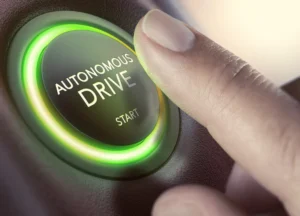
(Pic: Yay Images)