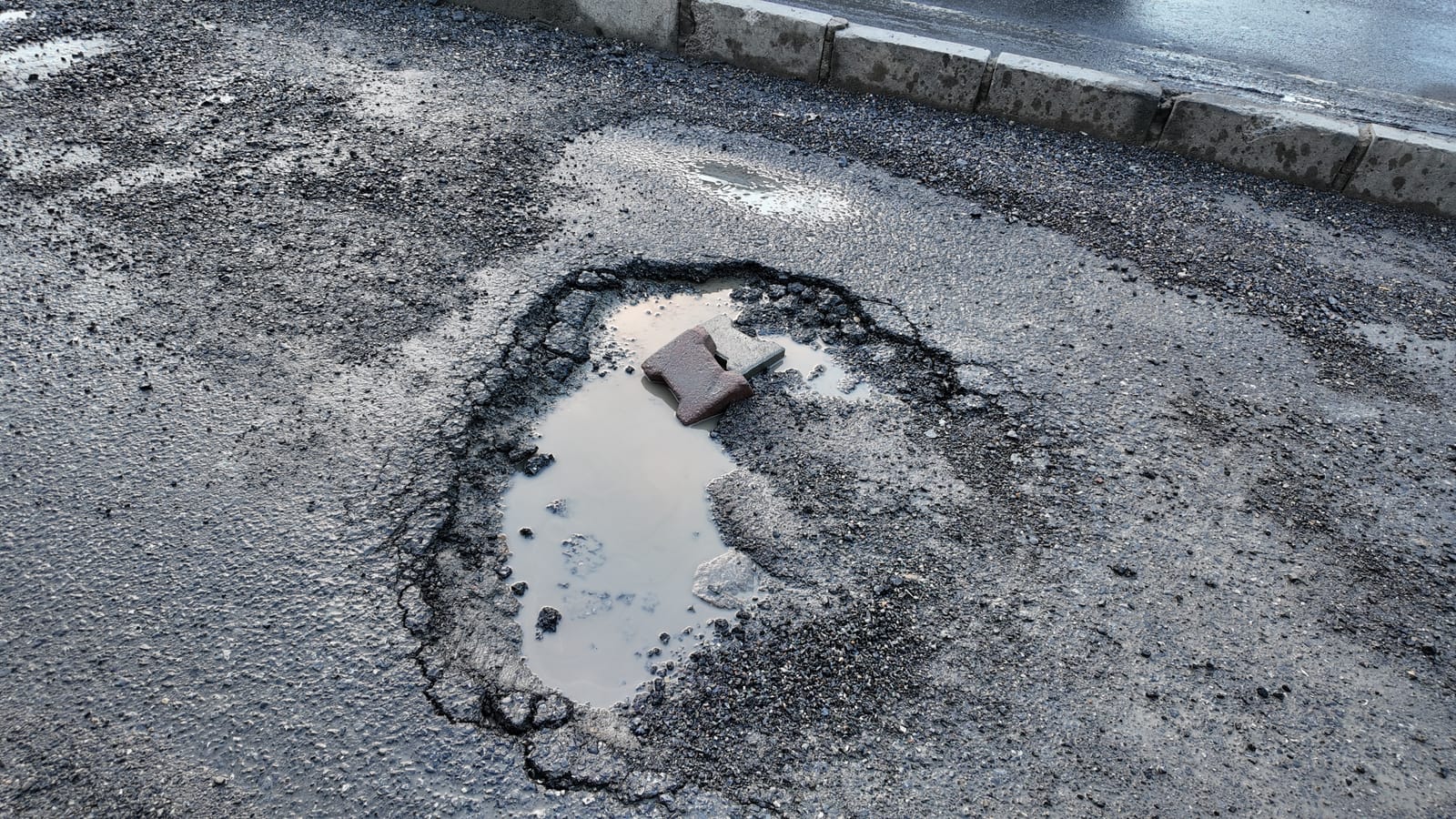
The Pothole Partnership, comprising of The AA, British Cycling, JCB and the National Motorcyclists Council and other supporting organisations, is calling for more permanent repairs and greater use of innovation and technology on National Pothole Day to reduce vehicle damage and injuries to cyclists and motorcycle riders.
One year after launching, The Pothole Partnership has welcomed the Government’s commitment to £1.6bn funding for local road maintenance in England but is pressing local authorities to up their game to the standards of the best by investing in more technology, proactive repairs.
READ MORE: Click HERE for highways sector reaction and HERE for the facts and figures
“The good news is that pothole related car incidents have declined but the bad news is that the cost of repairs has increased,” says Edmund King, AA President.
As part of the Pothole Partnership, The AA can reveal that pothole related incidents fell in 2024 when compared to the previous year. The UK’s biggest breakdown provider attended 643,318 pothole related incidents in 2024, compared to 647,690 in 2023. Typically these are damaged tyres, wheels, steering or suspension.
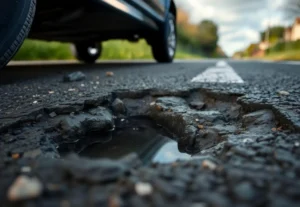
While last year picks up the bronze medal of ‘worst year for potholes’, the Pothole Partnership is hoping that the £1.6 billion pothole funding being given to local councils in England will ensure 2025 falls to near the bottom of the table. With more than 1,700 drivers a day having their vehicles damaged by road defects, the Partnership is urging local authorities to prioritise permanent resurfacing and repairs over adopting ‘patch and run’ polices in previous years.
Commenting on the UK’s road maintenance progress this National Pothole Day, RAC head of policy Simon Williams said:
“Fixing potholes as permanently as possible is vital. There’s nothing drivers find more incensing than watching them reappear after a few months, simply because they weren’t repaired to a high enough standard.
“But it’s important not to lose sight of the bigger picture which is that potholes are symptomatic of a lack of preventative maintenance. Roads that haven’t been surfaced dressed will start to break down as water gets into cracks, freezes and expands in the winter creating more potholes than daffodils in the spring.
“The route to smoother driving surfaces is simple: ensure water can always drain off the roads, fix potholes as permanently as possible, seal roads against water ingress through preventative maintenance, and resurface roads that have gone beyond the point of no return.
“If we continue to obsess with just filling potholes, that’s all we’ll continue to get.”
Mike Hansford, Chief Executive of the Road Surface Treatment Association, said:
“At the start of my highway maintenance career, I recall experienced engineers discussing core road maintenance principles of (1) maintaining highway drainage to remove water from the highway, and (2) sealing roads early to stop the damaging effects of water ingress. Yet industry data suggests a historic departure from preventative treatments, and reduced cyclic drainage maintenance activity, so its important we get back to these core maintenance principles.“
“Challenging budgets (especially revenue funding) in some cases have forced short term policy decisions to save money, which have subsequently impacted negatively on highway asset condition and performance, even resulting in increased reactive interventions, therefore have cost more in the longer term.“
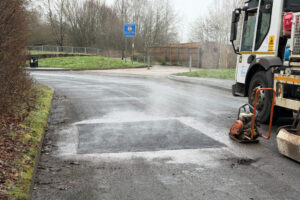
“I have seen the effects of multiple temporary and expensive safety repairs to the same defective area, when a single planned, permanent repair would cost only a third of that cost and been better perceived by the public. Permanent patch repairs typically, will last a minimum of 5-6 years, though will likely be guaranteed for 12-18 months by which time any poor reinstatements will likely start to fail.”
“The media coverage of the pothole problem, and the fact we have a ‘National Pothole Day‘ at all, suggests the current approach isn’t working, and we cannot continue to do the same things and expect a different outcome,” an RSTA statement continued. “Therefore we have to promote good practice being carried out by some exemplar authorities, and present learning opportunities to share these experiences.”
Duncan Dollimore, Head of Campaigns at Cycling UK, added:
“Not only are potholes an inconvenience that can damage a person’s car, but to people who cycle they’re a serious safety risk. Whether in rural or urban areas, potholes can cause crashes, potentially putting people in the path of an oncoming car or sending them over their handlebars where they could suffer serious injury.
“Over the past decade, poor or defective road surfaces have contributed to the deaths of around three cyclists a year and the serious injury of more than 60 others annually. Commitment to fixing our nation’s potholes will save lives, but we must ensure that funding addresses safety and infrastructure concerns in both rural and urban communities. Only then can we ensure that these efforts truly benefit all cyclists and road users nationwide.”
Responding to new research from the AA that there were 613,638 pothole incidents in 2025, a Local Government Association spokesperson said:
“Councils take their responsibilities to maintain and upkeep roads seriously, but the truth is that ever-increasing pressure on budgets has impacted their ability to do so as much as they’d like.
“Local authorities work hard to fix potholes swiftly to prevent people’s journeys from being impeded. However, the road asset is huge and the number of vehicles using it – and causing wear and tear – is increasing, and many factors affect repair rates, such as changing weather and the type of road.
“Councils face a £17 billion backlog of road repairs. Only longer-term funding certainty will help councils more effectively plan for future maintenance schemes, focusing more on preventative measures – which will ultimately save the taxpayer money and reduce the need for repairs – and able to invest in innovation.”
(Picture: Yay Images)