Plymouth City Council has approved the release of more than £6.6 million to our highways capital budget to ensure the ongoing maintenance of the city’s road surfaces, footways, structures, signals and street lighting.
As well as the citywide programme of preventative treatment and resurfacing recently announced, the funding will be used to begin urgent work to protect and strengthen Laira Bridge.
The busy road link over the River Plym is a ‘post-tension’ bridge, which means it was built using high-strength steel ‘tendons’ placed in sleeves and ducts before concrete was laid. It is suffering from damage caused by moisture, which is effectively rusting these tendons.
This year’s budget will see urgent waterproofing work get under way on the bridge to help prevent any further deterioration before a full structural repair programme is agreed.
The bridge will remain open throughout the waterproofing work, which is expected to begin in November and last around four months. We also currently expect to be able to keep the bridge open during the later structural repairs.
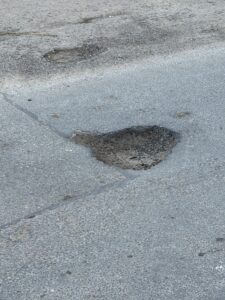
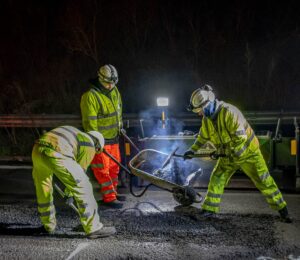
Funding will also support a more proactive approach to repairing potholes, whether they are found during inspections or reported to the Council. Where there are other defects nearby that don’t necessarily meet the criteria for repairs but will soon get worse, wider sections of the surface will be repaired. This will help to reduce the need for return visits and the additional costs they incur.
The funding will also see the completion of the council’s LED street lighting replacement programme, as well as our usual work to inspect and clear gullies, replace broken lights and signals and make general repairs to highways infrastructure.
Councillor John Stephens, Cabinet Member for Strategic Planning and Transport, said:
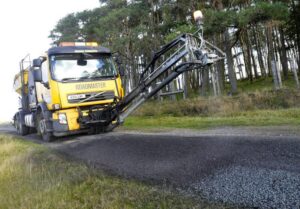
“We know that people are really concerned about the condition of our roads and we are doing all we can to keep Plymouth moving – and safe – despite huge financial challenges and cost increases. This means being smart about how we spend our money, focusing on areas that are in the most need of repair but also trying to prevent or delay damage where we can, as well as using innovative tools to carry out the work.”
(Pic: Plymouth.gov.uk)