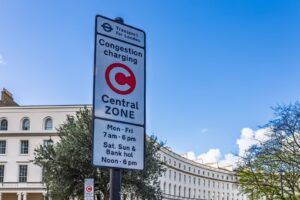

Early monitoring data for Oxford’s temporary congestion charge, published today by Oxfordshire County Council, shows signs of improving city centre traffic and key journey times, with some outer roads showing increased traffic.
The county council’s temporary congestion charge is at points on six roads in Oxford and was introduced on 29 October. It is designed to reduce traffic in the city while Botley Road remains closed, and the start of the council’s traffic filter trial is delayed.
The published data includes city footfall, traffic and journey times. Data is presented alongside figures for the same month in the previous year for comparison and will be published each month.
Councillor Andrew Gant, Oxfordshire County Council’s Cabinet Member for Transport Management, said:
“The data we’ve published shows a promising start to the temporary congestion charge. One month isn’t long enough to draw firm conclusions, but we are able to see some signs of improvements on key bus routes such as the Abingdon Road. We can see that footfall in the city centre remains high, with an increase of 22 per cent year on year, albeit footfall trends were on the up prior to the congestion charge.
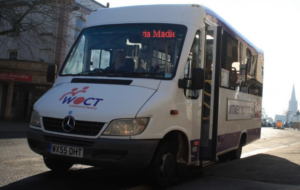
“What’s more powerful than the data, to me, is the stories people have told us about how their lives and their journeys in the city have been transformed in a positive way. With Stagecoach and Oxford Bus Company providing service improvements, and the county council’s offer of free park and ride bus travel as a result of this scheme, people have more choice and convenience when it comes to bus travel. Cycling and walking journeys are much more enjoyable where there is less traffic.
“We will continue to watch the impacts carefully as residents, visitors and businesses adjust to the temporary congestion charge.”
The monitoring data published is for a single month only. Travel patterns and external factors will continue to change. The data that is being collected will build a picture over time of how the scheme is working and highlight any issues the council may need to address.
(Picture: Oxfordshire County Council)