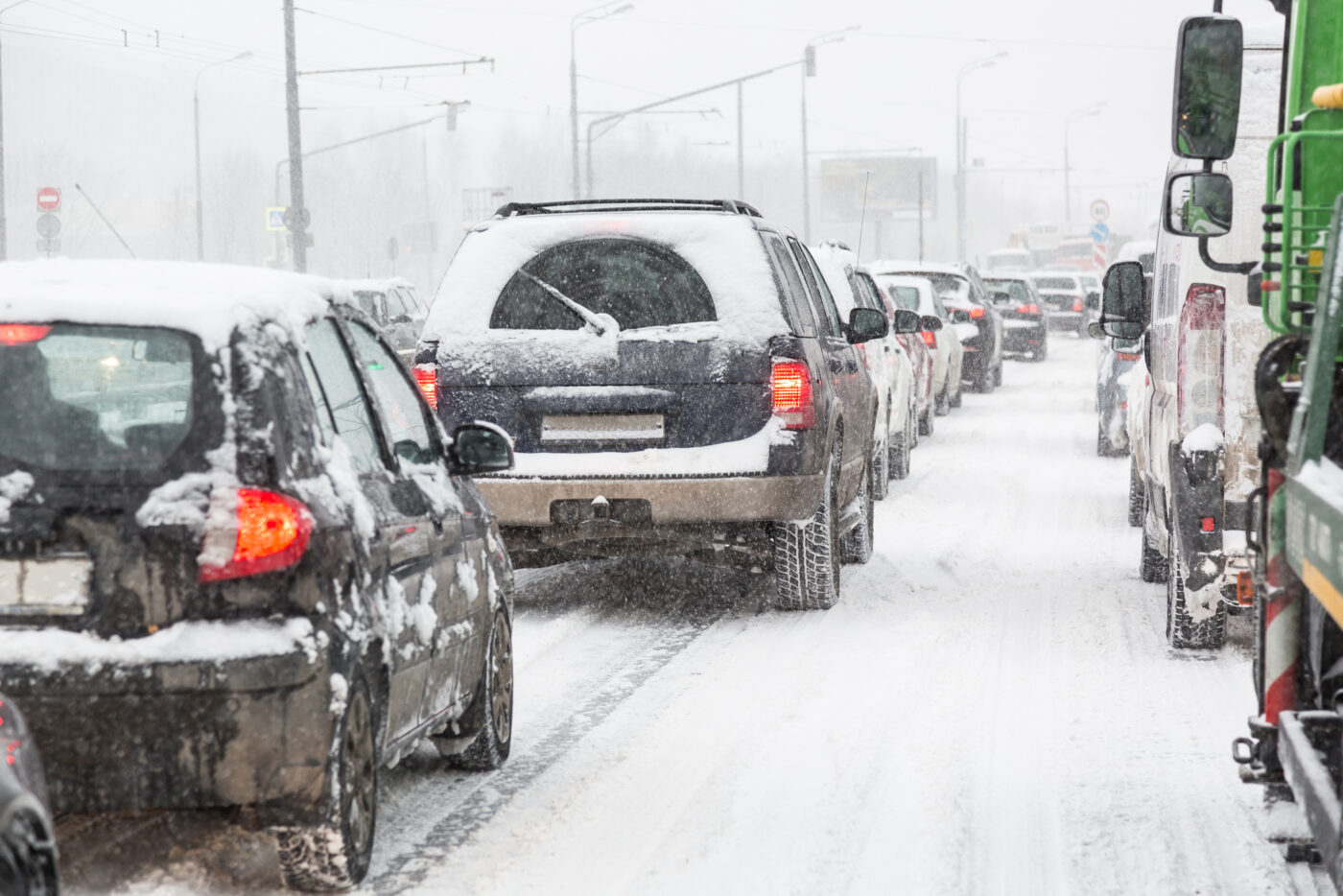
The impact of a massive snowstorm in 2010 that left thousands of Scots trapped in their vehicles was made worse by a lack of planning and coordination between police, politicians and transport bosses, newly released files have revealed, says the Scottish Daily Record.
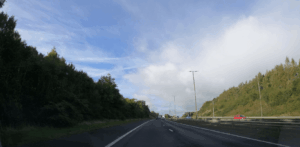
A “snow bomb” struck central Scotland on 6 December 2010, at the height of the Monday morning rush hour causing many roads to quickly become impassable. Among the worst areas affected was the stretch of the M8 motorway between Harthill and Denny, which saw hundreds of vehicles stuck overnight in freezing conditions.
Drivers were offered food and hot drinks by residents living in houses overlooking the carriageway.
Stewart Stevenson, the then SNP transport secretary, was forced to resign in the days after the blizzard after he initially claimed the Government’s response to the snow storm had been “first class”.
Now official Cabinet papers released today by the Scottish Government under the 15-year rule show how the situation was made worse by those in authority.
Opposition parties at the time slammed the Scottish Government for its “weak leadership and an absence of direction” – criticisms now supported by Cabinet papers written at the time.
The files concluded: “There had been an absence of strategic leadership, oversight and central co-ordination on Sunday, December 5 and Monday, December 6”
The paper added there had been “insufficient early co-ordination” between the police, Transport Scotland’s control centre and transport operating companies when the severe weather struck.
These said “the flow of information for decision makers had not been sufficiently rapid”, adding the cabinet sub committee in charge of the response “had not been apprised of the true gravity of the situation when it met on the afternoon of Monday, December 6”.
On that date, the papers said the “snowfall had been heavier than forecast and had fallen over the central belt during the rush hour”.
This had “severe effects on all forms of transport” and caused “the closure of major sections of the trunk road network”, while local roads in many areas became impassable because of the wintry conditions.
The paper explained the difficulties on December 6 had been “compounded” as many people had returned to work or school that day after bad weather caused difficulties the previous week.
This meant people were “faced with a difficult or impossible return journey later on Monday”, with the papers saying as a result many people had been left in a “potentially vulnerable position”.
(Picture: Nikolay Antonov)