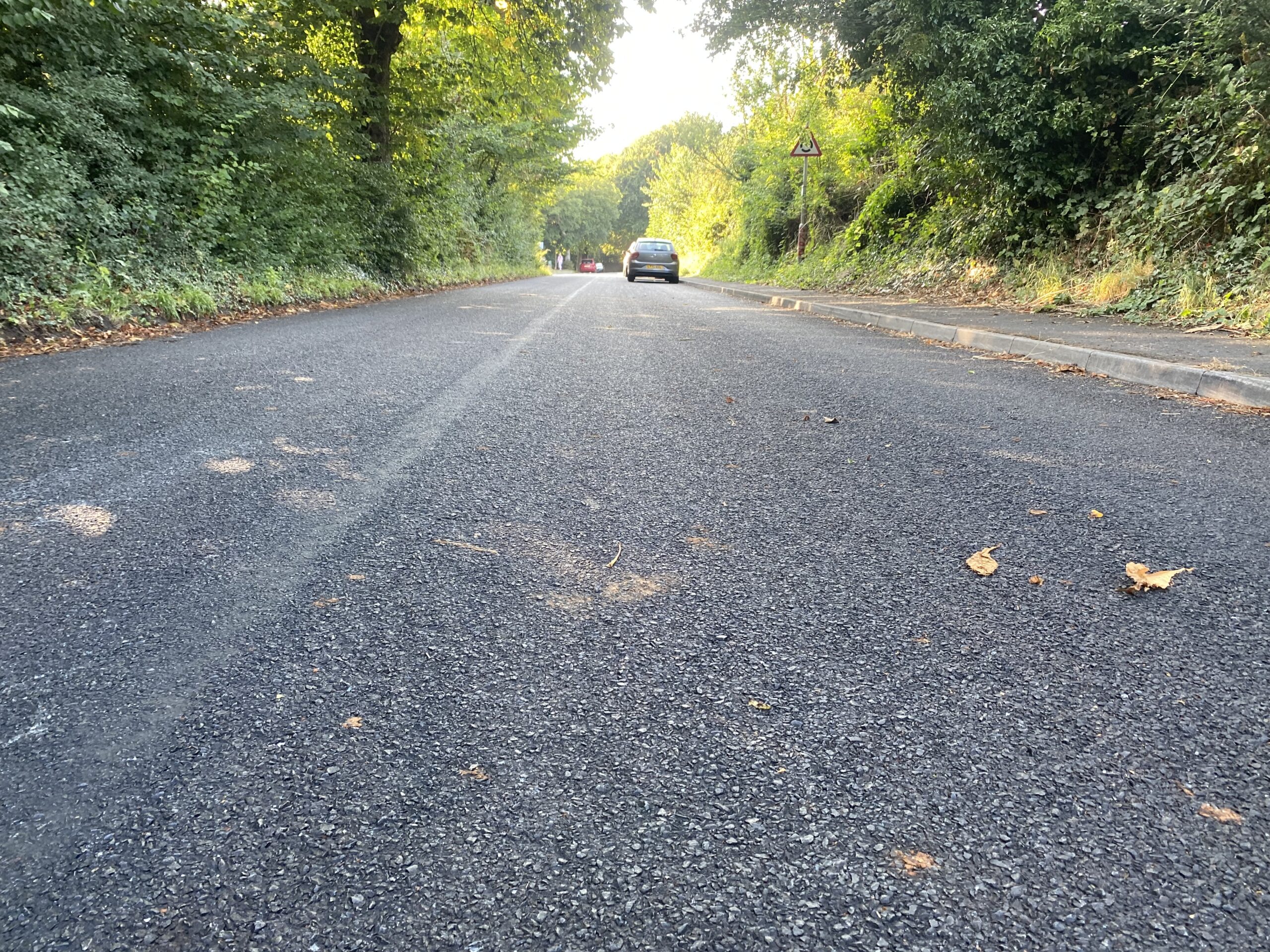
The recent increase in use of surface dressing by some local authorities announced by the Road Emulsion Association shows the crucial role surface treatments play in protecting our road network, says the Road Surface Treatment Association (RSTA).
It is no surprise that preventative treatments such as surface dressing are being more widely used, as not only has the technology improved but also the realisation that the only way to stop potholes is to prevent them happening in the first place.
These are the views of the RSTA, responding to figures produced by the REA that shows 44.4million m2 of surface dressing (the equivalent of 4,340 miles of road) was treated in the 2025 season, compared to 38.3million m2 at its lowest in 2023 (38.5million m 2 in 2024).
REA figures show in 2012 this figure was 64million m2 (industry sources suggest that in 2008 this was once over 90million m2 ), so there’s still some way to go. The Road Surface Treatments Association (RSTA), in collaboration with the REA and the RAC, have jointly campaigned to increased knowledge and understanding of the benefits of preventative surface treatments, including surface dressing.
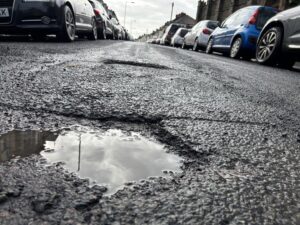
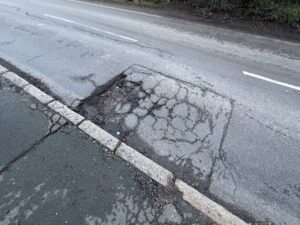
The historical departure from road maintenance principles that include sealing the road with preventative treatments, to prevent the damaging effects of water ingress, has undoubtedly contributed to the plague of potholes on our roads.
The reason for this departure includes a lack of knowledge or understanding, and myths or misinformation that have raised doubts about the performance of these treatments.
Mike Hansford, Chief Executive of the RSTA said:
“Surface dressing has developed in recent years, from the polymerisation of bitumen emulsion binders, the development of the plant used in the operation, and the training and competency of the workforce through the Sector Scheme (NHSS13), so the operation is now very controlled. We’ve come a long way from views still held by some about “….tar splashing everywhere and being walked into peoples’ homes”!
“Surface dressing is not just for minor, rural roads either. Some local authorities are using surface dressing on their strategic roads, and the introduction of encapsulation systems, which lock down the chippings, has seen this treatment, more widely accepted by both engineers and the public.”
“It also been pleasing to hear Government now talking about the importance of preventative road maintenance, given the significant investment in road construction and resurfacing, and the need to protect that investment against the natural process of oxidisation, which causes untreated asphalt to degrade.
“To keep talking about repairing potholes is like pledging to keep replacing the water damaged carpet, when we’ve got a hole in the roof! “
Those highway authorities embracing surface dressing recognise the value of surface dressing in managing the condition of their road networks, and how it prevents the formation of potholes. They are also some of the better performers in terms of road condition indicators and number of potholes per mile of network.
The Department for Transport has this year required local highway authorities to document their future investment strategy, splitting out both reactive and preventive maintenance, and equally how they propose to decarbonise their highway maintenance activities.
Other preventative treatments include asphalt preservation and asphalt rejuvenation which keep good condition roads, in good condition, for very low cost. And microsurfacing, including cold applied ultra thin surfacing (CAUTS) on higher use roads, will address mid life roads, and return them to good condition, whilst also restoring texture.
These cost effective preventative treatments extend road life, keep roads in good condition for longer and prevent the formation of potholes. Extensively potholed roads that have reached end of life, could also be recycled with affordable and low carbon methods of both in situ or ex situ recycling. Highway authorities requiring more information about these treatments can contact the RSTA for an informal discussion, or get involved in future RSTA technical training events (free to local authority delegates) coming up in 2026.
(Picture: RSTA)