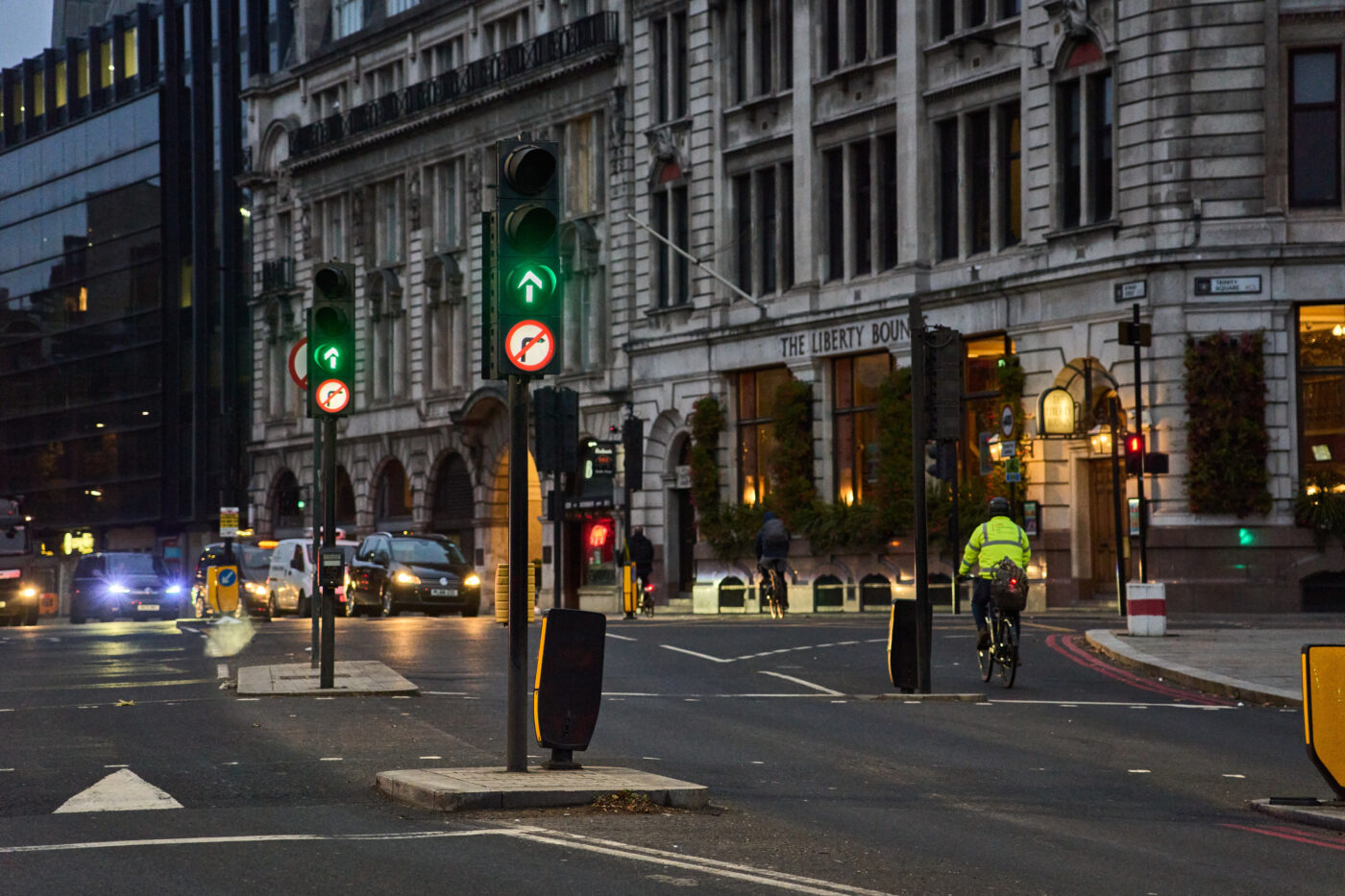
Transport for London (TfL) has announced a bold new plan to revolutionise how the capital’s streets operate over the next five years. The first-ever pan-city roadworks plan will focus on using innovation to deliver safer, healthier, and more efficient journeys for millions of Londoners. There will be a particular focus on improving the capital’s bus network – one of the most accessible and affordable ways of travelling in London. TfL’s 2030 vision is for a better, safer street network that prioritises sustainable transport and reduces congestion, creating a greener and more reliable capital.
TfL works closely with London’s boroughs to manage one of the world’s busiest and most complex road networks, including a network of 6,400 automated traffic signal junctions and pedestrian crossings, one of Europe’s largest. London’s road network plays a vital role in enabling billions of journeys per year and new infrastructure and technology are central to TfL’s work to manage this network as safely and efficiently as possible.
Building on London’s reputation for having one of the most technologically advanced road networks in the world, the plan will see TfL complete the rollout of cutting-edge systems and infrastructure upgrades to optimise traffic flow, improve safety, and support sustainable travel.
This year, TfL will also be expanding its pioneering lane rental scheme from red routes to borough roads. The scheme charges utility companies and others a fee to dig up the busiest roads at the busiest times, reducing congestion and providing funds for innovative new ways to reduce delays on the roads. This has been proven to reduce congestion, improve journeys and enhance air quality. TfL is working with the London boroughs to expand our lane rental scheme and its associated benefits onto borough roads. As of January 2026, four boroughs have already received approval for schemes by the Department for Transport. These are Camden, Enfield, Lambeth and Merton, with a further 22 boroughs progressing towards making applications.
The Government is also in the process of devolving authority to the Mayor to approve lane rental schemes, which will allow for more schemes to come forward with consistency across London.
Key innovations and measures that TfL has committed to as part of the plan include:
- Improvements to London’s world-leading FUSION traffic control system. Already one of the world’s most innovative traffic control systems, FUSION will allow TfL to use more data and greater computing power to ensure that traffic signals can react faster and smarter, avoiding congestion and helping people to move around the city better than ever. The system will be updated to analyse a broader range of data when making decisions about signal timings and can be upgraded in future to take advantage of artificial intelligence sensors. The changes could reduce delays by up to 14 per cent and deliver £1 billion in benefits through reduced journey times
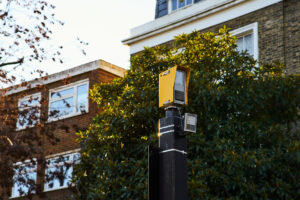
- TfL is expanding the use of Vivacity cameras across London to better understand how people and vehicles move through the city. Unlike traditional monitoring systems, Vivacity technology uses AI to distinguish between different modes of travel including walking, cycling, wheelchair use, taxis, and heavy goods vehicles. This will provide more inclusive data and will support smarter decisions around things such as pedestrian crossing times. TfL is working closely with boroughs on a data-sharing agreement, which will give access to insights from over 1,000 cameras, highlighting the importance of collaboration in shaping London’s future mobility
- Accelerating bus priority measures to improve bus speeds for millions of customers. A total of 2,080 traffic signals are now equipped with bus priority technology. Utilising new technology, TfL has ambitious plans to expand this to all 3,500 signals which buses pass through by 2030
- Carrying out signal timing reviews of entire bus routes instead of specific areas for the first time. Comprehensive reviews of signal timings across entire bus routes will ensure that buses and the millions of people who rely on them can move across the road network efficiently as possible
The Mayor of London, Sadiq Khan, said:
“I’m committed to making London’s transport network as safe, efficient, and sustainable as possible. Congestion is annoying for everyone, and it costs our economy millions of pounds a year. This innovative new strategy will tackle the causes of congestion head on.
“This bold new approach to managing the capital’s streets will ensure they work for everyone: harnessing cutting-edge technology and infrastructure to reduce congestion, keep Londoners safe, and speed up journey times on London’s bus network.
“These improvements are vital to achieving my ambition for 80 per cent of journeys to be made by walking, cycling or public transport, as we continue building a greener and better London for everyone.”
(Picture: TfL)