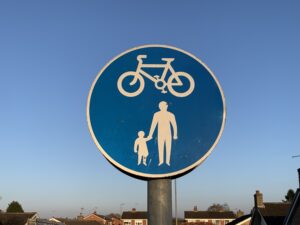
A newly published report has suggested that walking, wheeling and cycling across the UK saved the NHS in the region of £2 billion in 2025 by preventing around 150,000 long-term health conditions.
The 2025 Walking and Cycling Index, produced by the Walk Wheel Cycle Trust (formerly Sustrans) in collaboration with 17 regional and local partners, found that everyday active travel is improving public health, cutting emissions and helping create more liveable communities, says Air Quality News.
Researchers estimate that across the UK, choosing to walk, wheel or cycle instead of driving prevented almost 156,000 serious long-term health conditions last year alone, saving the NHS £1.94 billion annually.
Within the 17 Index areas studied, active travel prevented more than 28,000 serious health conditions, including nearly 8,700 hip fractures, almost 6,800 cases of dementia and more than 2,300 cases of depression. The health benefits in those areas alone save the NHS £346.7 million a year, equivalent to 7.7 million GP appointments.
Tim Burns, head of research at the Walk Wheel Cycle Trust, said:
“Everyday journeys by walking, wheeling and cycling are closely linked to long-term health outcomes. When people can travel actively, there are significant population-level physical and mental health benefits, which in turn reduce pressure on the NHS.”
The report also highlights environmental benefits. Walking, wheeling and cycling in Index areas prevent around 500,000 tonnes of greenhouse gas emissions every year, while removing up to 2.9 million cars from roads daily, easing congestion.
The Index also suggests strong public backing for neighbourhoods designed around walking, wheeling and cycling. Nearly four out of five people support having shops, schools, green space and public transport within a short walk or wheel of their home.
But the report warns that safety concerns continue to limit cycling uptake – particularly among women, who cycle regularly at roughly half the rate of men, highlighting the need for better-designed streets and protected infrastructure if more people are to choose active travel.
Burns said investing in safer routes could deliver far-reaching benefits:
“By investing in safe, accessible walking, wheeling and cycling routes, we also help people access education, work and green space while creating cleaner, more liveable places for everyone.”
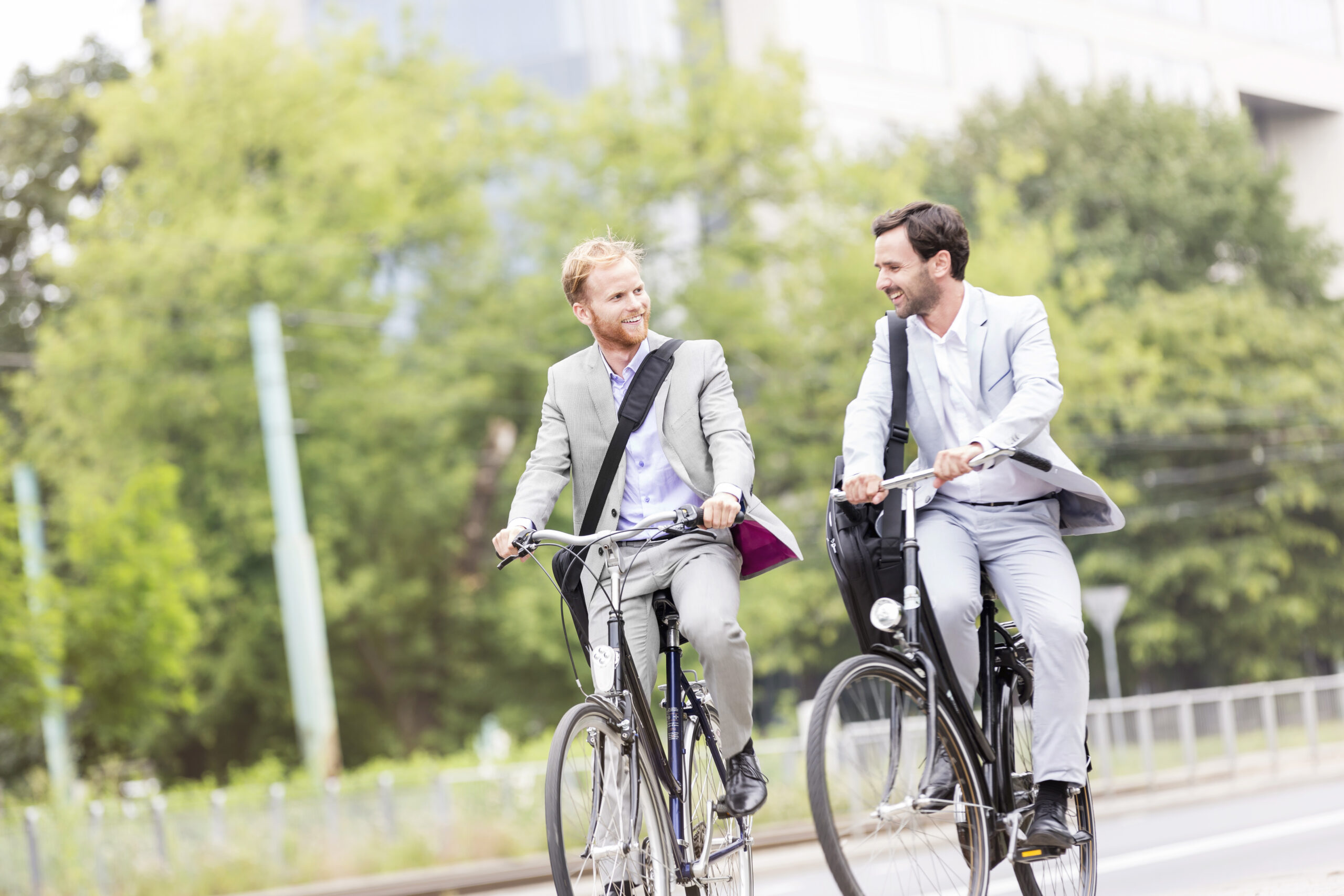
(Picture: Yay Images)