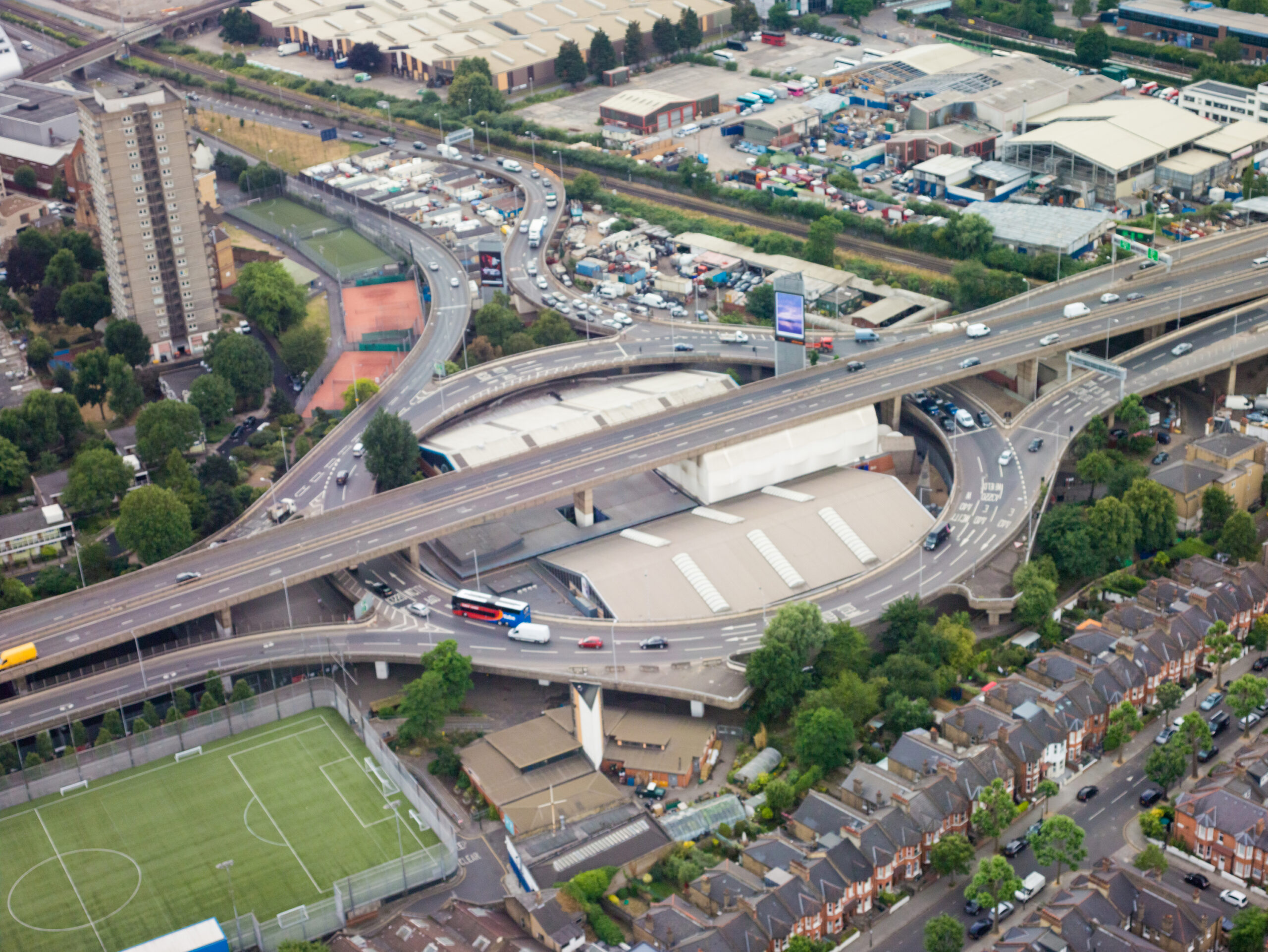
Transport for London (TfL) will be carrying out essential safety-critical renewal work to the A40 Westway between the A40 Westway Roundabout and the Marylebone flyover from 20 March to late April. This work will require the closure of the A40 Westway and diversions will be in place to allow the work to be carried out.
The A40 Westway is one of the busiest strategic routes on TfL’s road network, used by up to 96,000 vehicles a day. To keep the A40 Westway and surrounding road network running safely and reliably, the works and associated road closures have been planned to minimise disruption as much as possible. The works have been planned so that part of the closure falls in the Easter period, when traffic flows are slightly lower. and have also been scheduled to avoid other major roadworks as far as possible.
Parts of the structure have reached the end of their service life, and TfL and partners have been carrying out renewal works for a number of years to ensure that people using the A40 have safe and reliable journeys for decades to come. This next phase of work involves replacing two joints on the Marylebone Flyover A40 Westway which allow the flyover to safely expand and contract with temperature changes and vehicle movements. This is complex and specialist work which requires a full carriageway closure. The nature of the work and the structure means the carriageway can’t be reopened until the work is completed. TfL reviewed a range of options and concluded that closing the Westway is the best way to ensure the essential work is completed as quickly and safely as possible.

Stuart Harvey, TfL’s Chief Capital Officer, said:
“The A40 is a key artery in west London and it’s vital that we ensure it is well maintained for the tens of thousands of people who use it each day. This essential work will allow the flyover to continue to be used safely for decades to come. I’d like to thank people in the area for their patience during these works and would encourage everyone to plan ahead for any journeys in the area, using alternative modes of transport where possible.”
(Picture: TfL)