A new campaign is being launched aiming to create a safer, practical data-driven approach to manage deliveries at roadside pubs in towns and cities where drivers currently either have to park illegally or a significant distance from their destination.
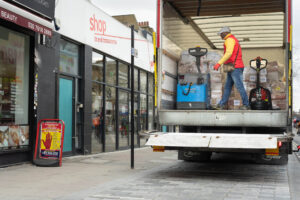
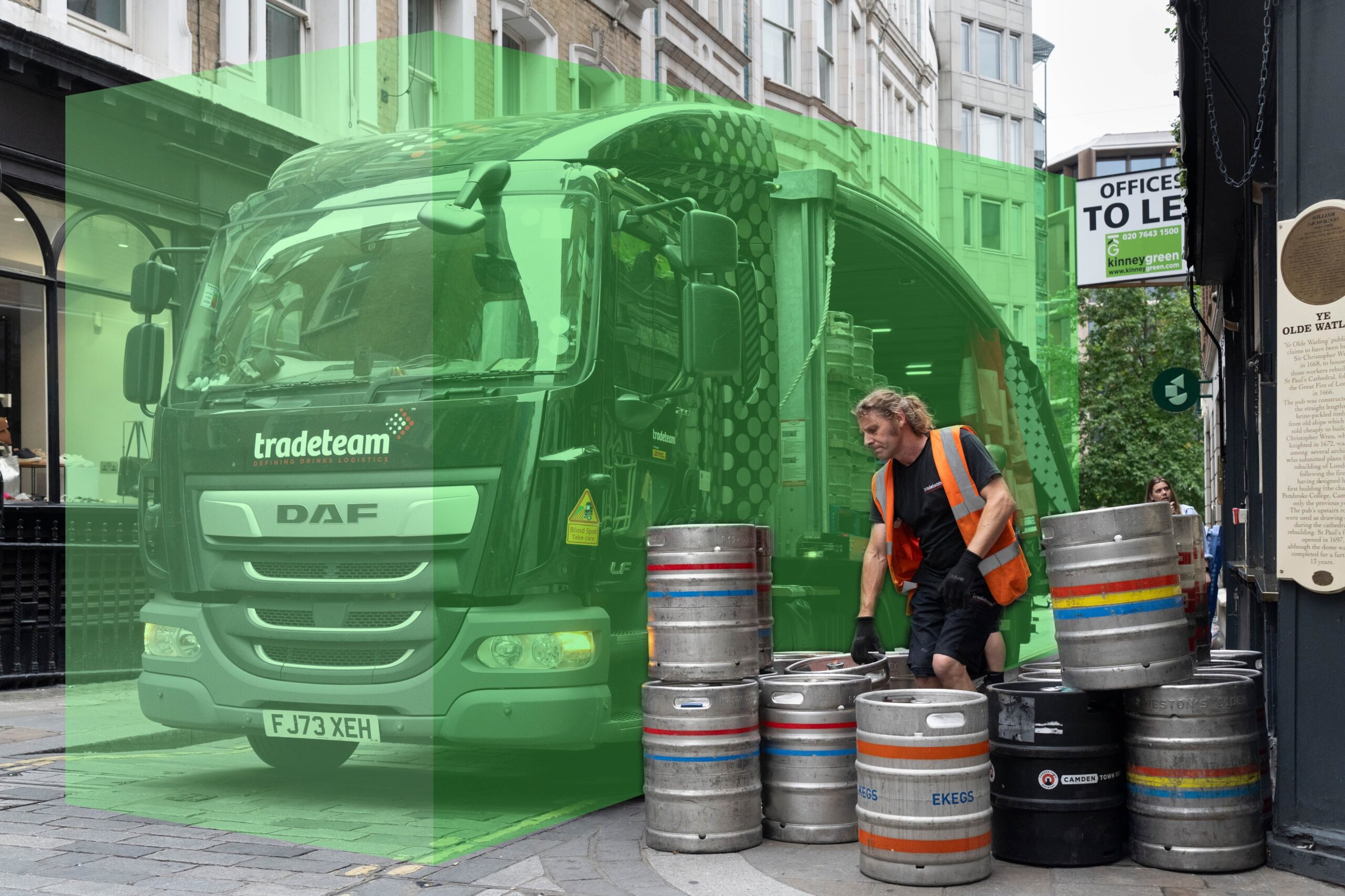
Research from the Brewery Logistics Group has found evidence brewery vehicles are forced to make deliveries where no safe or legal loading provision exists. This often means moving heavy items such as beer barrels long distances along crowded pavements, putting the operator at risk of unnecessary personal injury through body strain, with pedestrians also at risk of being hurt.
The Safe Stops Campaign will now formally identify unsafe or non-compliant delivery locations and work with councils to create safer, smarter, and legally compliant kerbside access for brewery and drinks logistics operators.

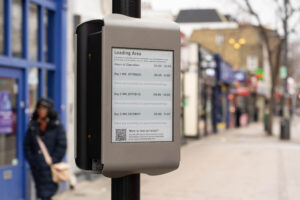
The BLG is working with kerbside management company Grid Smarter Cities on the initiative. Grid has developed its Kerb® Delivery platform which includes Virtual Loading Bays (VLBs), defining pre-approved loading spaces that can be booked via the Kerb® Delivery platform in advance in areas where loading and parking activity is usually prohibited. Restrictions such as yellow or red lines are then lifted for bookings made via the platform by commercial delivery drivers at pre-agreed times of day.
The Safe Stops Campaign will collect real-world data from BLG members to map high-risk sites through Grid’s platform, creating an interactive national Safe Stops map highlighting locations where councils can introduce VLBs and other access solutions.
“This campaign is about making every delivery safe, legal, and efficient,” explained John Crosk, Chairman of the Brewery Logistics Group. “Our members know the streets better than anyone — they can help councils identify where danger and non-compliance occur, and how digital tools can fix it.”
The campaign will collect site-specific data from BLG members using a standardised template. Operators will identify pubs or venues where safe and legal deliveries are difficult or impossible under current restrictions. This data will be uploaded into an interactive ‘Safe Stops Map’ visualising hotspots for safety and compliance risks. Councils will then be invited to review and prioritise these sites for Virtual Loading Bay implementation. This is intended to deliver measurable safety, environmental, and operational improvements influence national road safety and urban freight policy.
“The Safe Stops Campaign shows how technology, data, and collaboration can improve lives on the street,” added Grid Smarter Cities founder Neil Herron. “By digitising delivery access through Kerb and Virtual Loading Bays, councils can make their streets safer, greener, and more efficient for everyone.”
The Safe Stops data will deliver a standardised data capture template for operators, an interactive digital map showing unsafe or high-risk delivery sites and infographic maps and borough-level reports highlighting hotspots. BLG members will also benefit from template letters and engagement materials for councils and integration with the BLG White Paper for public and policy audiences.
“This will ensure every pub delivery has a safe and legal kerbside option in support of the UK’s Vision Zero and Environmental, Social and Governance goals,” Mr Herron continued. “It’s a win-win-win scenario. For operators, deliveries can be safe, compliant, for councils data-driven Virtual Loading Bays can reduce enforcement pressure, improve safety, and deliver environmental gains while local people get safer streets, fewer lorries circling, and more sustainable logistics all contribute to better communities.”
The BLG-Grid campaign is being delivered in partnership with Together for Safer Roads and UKHospitality.
(Picture – Grid Smarter Cities)