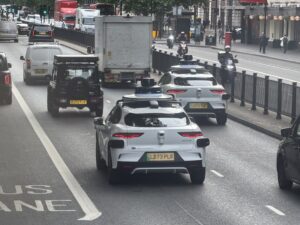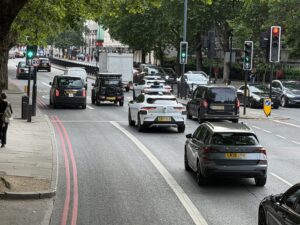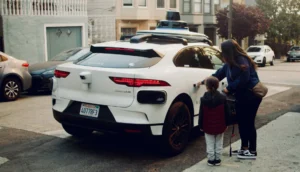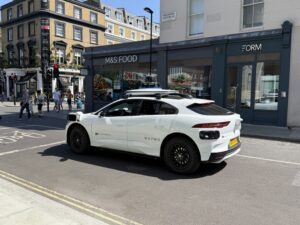
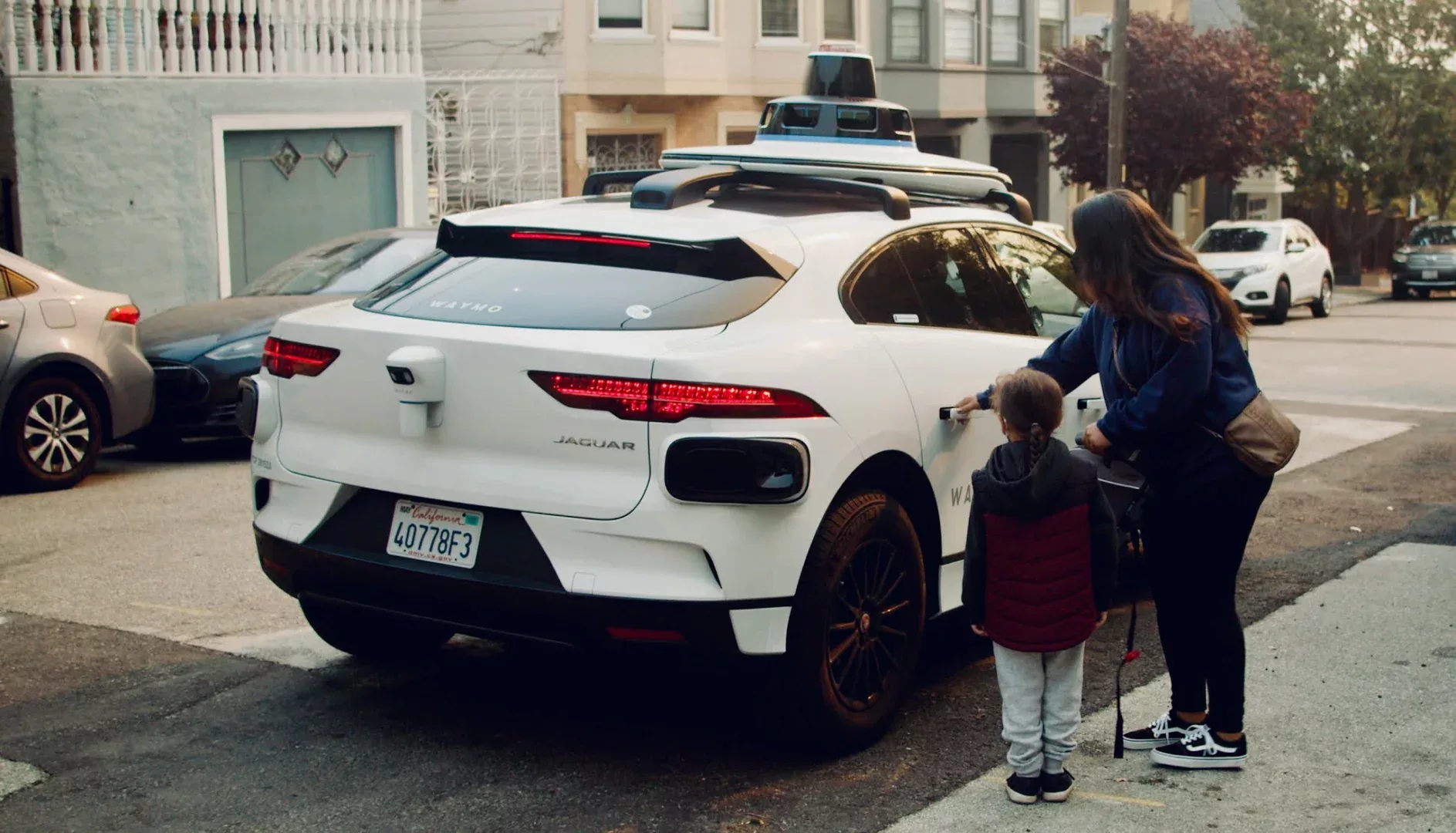
Tesla and Waymo executives have been forced to defend their companies’ safety records as US senators pressed them on recent software failures, crash incidents, and transparency concerns. It comes as Congress considers numerous pieces of legislation aiming to establish national safety standards governing autonomous vehicles, says ABC7 News.
Roughly half of the US states now have their own rules for driverless cars, creating a patchwork of regulations. Lawmakers say that uneven oversight, combined with several high-profile incidents, underscores the need for uniform federal guardrails that don’t stifle innovation yet ensure public safety.
“We need more honesty from the industry so that there is in fact transparency in everything that they know that the American public should know as well,” said Massachussets Senator Ed Markey.

Senators also raised concerns about real-world failures – from autonomous vehicles freezing during a San Francisco power outage to a Waymo vehicle hitting and injuring a child in Santa Monica last week.
Mauricio Peña, Waymo’s chief safety officer, acknowledged the incidents and said the company has already made software changes.
“We have already incorporated many changes to our software to dramatically improve our performance,” Peña said. He added that Waymo’s internal analysis showed the system “would have reacted faster” than an attentive human driver in the recent Santa Monica case.
Bryant Walker Smith, a law professor who studies AV policy, testified that companies bear the responsibility for their vehicle behavior:
“There are no self-driving or driverless cars. The companies that develop and deploy AVs are the drivers.”
Despite recent crashes, both Tesla and Waymo emphasized the long-term safety benefits of autonomous systems.
Peña noted that the company’s data shows Waymo vehicles are significantly less likely than human drivers to be involved in serious injury collisions or pedestrian crashes in the cities where they operate.
Tesla Vice President of Vehicle Engineering Lars Moravy framed AV adoption as essential to drastically reducing traffic deaths.
“Simply put, an autonomous driver – the system, the computer that operates it – doesn’t sleep, doesn’t blink and doesn’t get tired,” he said.
Even as senators criticized the companies, many signaled a bipartisan willingness to move forward with federal AV legislation.
“Like it or not, they are here, and they will be central to the future of roadways,” said Texas Senator Ted Cruz. “Congress has failed to establish a clear federal framework to govern AV deployment. That inaction is no longer neutral. It is unsafe without federal oversight.”
Lawmakers did not indicate which specific bill they might advance, but several proposals – including updates to federal motor vehicle safety standards and long-discussed AV frameworks – are expected to resurface as Congress works to balance rapid technological change with public confidence and accountability.
With autonomous vehicles already woven into everyday traffic in early-adoption cities like San Francisco, senators from both parties agreed that the federal government is running out of time to set consistent rules for the road ahead.
(Picture: Waymo)