Following last week’s Scottish election results, Bus Users UK has analysed the bus policy commitments set out across the political party manifestos.
Bus Users UK said with no party securing an outright majority, the SNP administration led by John Swinney is expected to rely on support from other parties including Scottish Labour, the Scottish Greens, the Scottish Liberal Democrats and the Scottish Conservatives on key legislation and spending commitments. The SNP has ruled out working with Reform UK.
Bus Users UK has identified several major areas of bus policy where cross-party cooperation is likely to be required over the coming parliamentary term.

Among the most significant proposals is the introduction of a Scotland-wide £2 cap on single bus fares by the end of the parliamentary term. While the SNP campaigned on improving public transport affordability, questions remain around long-term funding and implementation.
Bus Users UK outlined that the expansion of free bus travel eligibility is also expected to remain high on the political agenda. Scotland already provides free bus travel for under-22s, older people and disabled pass holders but pressure is growing for wider universal provision. The Scottish Greens made nationwide free bus travel a key priority during pre-election campaigning.
The manifestos also revealed broad concern regarding deteriorating rural and local bus connectivity. Several parties called for increased subsidy and public investment to protect socially necessary services and improve access in underserved communities. Any significant increase in transport spending would require agreement across Parliament said Bus Users UK.
Bus Users UK detailed that further reform around bus franchising and greater public control of routes is also likely to remain a central theme. The SNP signalled support for stronger regulation and greater integration across transport networks. More interventionist reforms could attract support from the Greens and potentially Labour, while facing opposition from Conservatives and Reform UK.
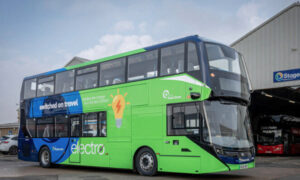
Transport decarbonisation continues to be another major area of likely cooperation, particularly between the SNP and Greens. Policies focused on electrified bus fleets, fare reductions and encouraging modal shift away from private cars are expected to form part of wider climate and transport funding packages.
Greig Mackay, Bus Users UK Director for Scotland said:
“This election marks a significant political shift in how bus services are viewed across Scotland. There is now growing cross-party recognition that the existing market-led model has failed too many communities, particularly in rural and socially isolated areas.
“What is emerging is a clear consensus that buses are not simply a commercial service, but essential public infrastructure that underpins access to employment, education, healthcare and social mobility.
“Measures such as a national £2 fare cap, expanded free travel and franchising will require meaningful cross-party cooperation, but the direction of travel appears to be towards a more integrated and publicly supported bus network for Scotland.”
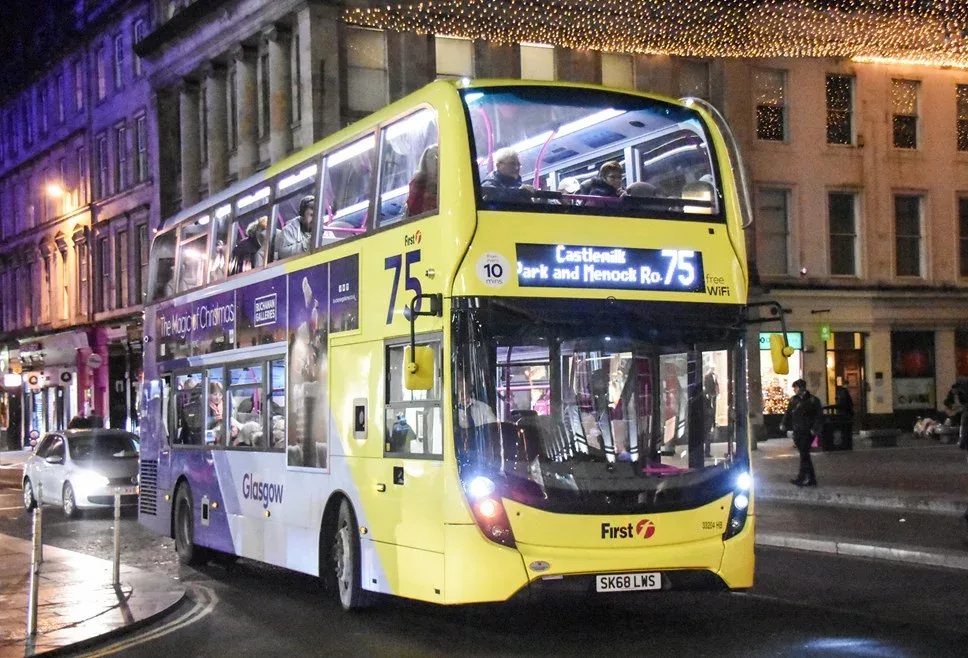
(Picture: First Bus)