The European Commission has adopted a new Passenger Package designed to make multimodal travel across the EU easier to plan, book and complete, while strengthening passenger rights when journeys are disrupted.
The legislation, adopted in May 2026, aims to tackle long-standing barriers created by fragmented ticketing systems, inconsistent access to transport data and poor interoperability between transport operators. The Commission believes these issues have prevented passengers from booking seamless cross-border and multi-operator journeys, often forcing travellers to purchase separate tickets with varying levels of consumer protection.
Central to the package are new rules intended to support integrated multimodal booking, improve rail ticketing and provide stronger protections for passengers travelling on single tickets across multiple transport services. The measures are designed to make door-to-door journey planning and booking simpler while ensuring passengers benefit from more consistent rights if delays or cancellations affect different stages of a trip.

The Commission said the rapid development of multimodal digital mobility services has been held back by uneven access to transport data and ticketing systems. It concluded that voluntary cooperation between operators has not been sufficient to overcome these structural barriers, prompting the introduction of EU-wide legislation to guarantee fair access to transport data and ticketing platforms.
The package also reinforces wider European transport policy objectives. It supports the European Green Deal and the Sustainable and Smart Mobility Strategy by making sustainable transport options, particularly rail, more attractive and easier to use. In addition, it builds on the Intelligent Transport Systems (ITS) Directive by improving access to transport data needed for integrated journey planning and booking.
The measures are also intended to advance the EU’s long-distance and cross-border rail action plan and high-speed rail strategy by reducing ticketing fragmentation and encouraging greater integration between national rail networks, helping to create a more seamless passenger experience across Europe.
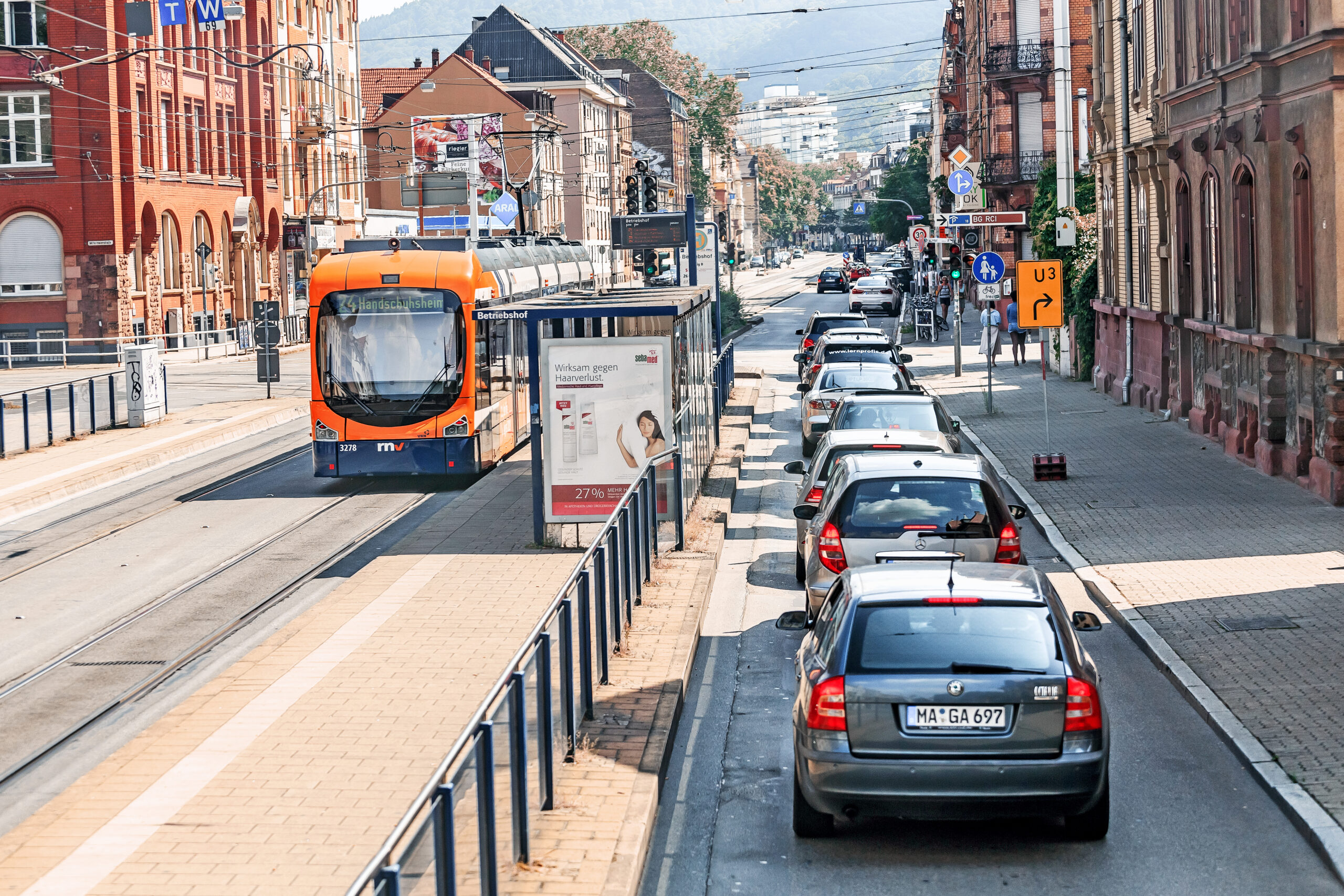
(Picture: Frantic00)