Labour’s spokesperson for Transport on the London Assembly has insisted that autonomous vehicles should only be deployed where they solve a public policy problem.
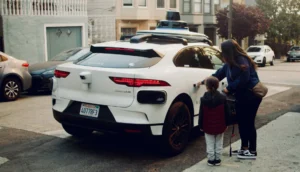
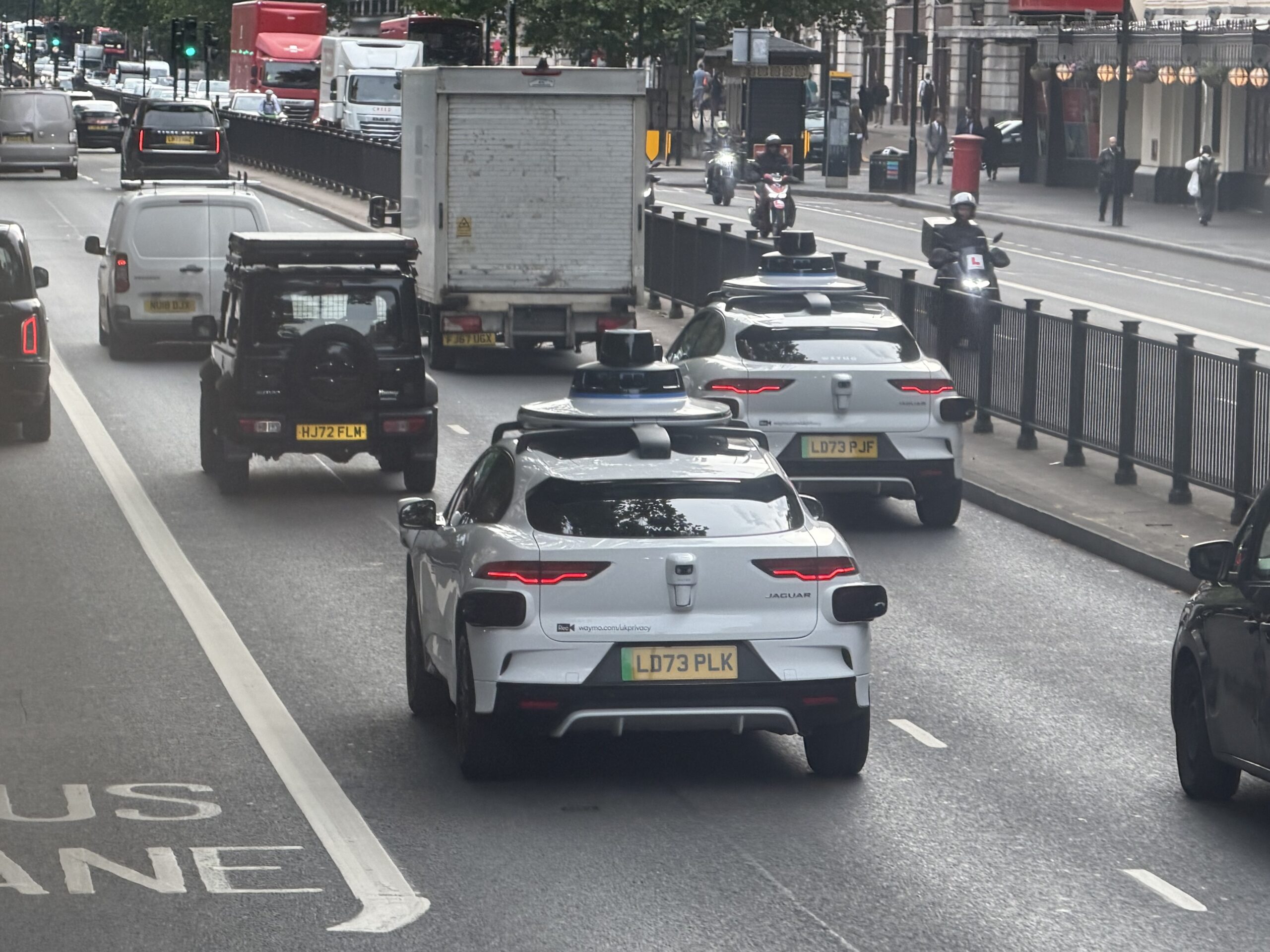
Writing in her column on the Labourlist website, and coming on the day when the UK welcomes new Labour leader Andy Burnham as its fifth Prime Minister in less than four years, Elly Baker said that the notion of driverless cabs that are currently being tested on the streets of London. is “essentially Uber without the humans. The next stage will be Transport for London (TfL) deciding whether to allow them to operate passenger services.”
“However, a recent Financial Times article suggested that new Prime Minister Andy Burnham’s incoming team wants to put the brakes on the plans. A source in the article asked the crucial question: ‘“’What’s the point and who’s it for?'” she continued.

“The positive argument for driverless cabs is that they could design out deaths on our roads through AI-powered technology. Londoners will also then be able to get a cab without the terrible inconvenience of having to speak to a human being, and as Waymo excitedly told the London Assembly Transport Committee, you’ll be able to link up your Spotify account as you do.”
Ms Baker also believes that robotaxis are not an answer to London’s congestion issues, arguing that they are merely adding to the problem/
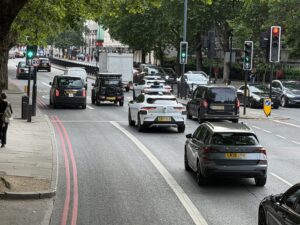
“London’s streets are already far too congested. Services and small businesses get stuck in traffic – not just plumbers, but nurses and homecare workers on visits. Congestion means buses getting slower, with the inevitable impact that fewer people use them,” she explained. “TfL is getting jumpy about the subsidy for our most vital transport service and is making bus service cuts, affecting older, younger and working class Londoners most. And at the same time we are inviting more forms of individualised transport (often run by huge companies with correspondingly huge PR budgets) onto our streets to cannibalise our public transport and add to congestion.”
If driverless cabs are allowed to grow first and be regulated later, she argues, other cities could face the same pressures: weaker public transport, more private journeys, and less control over who gets a transport service and who gets left behind.
“And what about the human cost? London has more than 120,000 private hire and black taxi drivers, many facing insecure incomes, high vehicle costs and long hours. Yet drivers, their unions and associations are being locked out of decisions that could destroy their livelihoods.
“Continuing loopholes in employment legislation mean those workers feel they are being told to simply absorb the shock. We have seen this story before when new services arrive with no regulation or planning. This time, we have the power to change the story.”
Ms Baker also insisted that driverless technology should serve the public interest from the start and that the technology could be transformational for road safety if prioritised on freight vehicles.
“We could strengthen public transport, not pull people away from it. In Oslo they are focusing on procuring APV services linked up with public transport in areas where they are needed, like we have in outer London,” she said.
“That means a clear plan before rollout, not after, and requiring operators to answer our transport problems, not invent new ones. It means planning with workers and unions and proper protections for drivers affected, not imposing change. It means making sure private companies cannot use public streets as a testing ground while the public sector picks up the consequences.
“If a Burnham Labour government is serious about public control over the essentials, surely our streets and transport systems are part of that commitment? Labour should have the confidence to say that innovation must serve the public interest.
“In London, our first step must be for TfL to reject permits for operators as their business models currently stand,” she concluded. “We must go back to the drawing board to set out a plan to ensure this tech works for cities, for workers and for all who now, and in the future, will need to get a bus.”
(Picture: Olga Gonzalez)