New plans to make getting around Salford easier, safer and more sustainable have been revealed.
Transport for Greater Manchester (TfGM) and Salford City Council have revealed proposals to improve public transport and active travel along the 50 bus route between Salford Crescent railway station and MediaCityUK.
The plans are intended to deliver quicker, more reliable bus journeys, better walking and cycling routes, and more accessible, comfortable stops – all feeding into the Bee Network’s vision of safer, easier and more affordable travel across Greater Manchester.
Subject to engagement with the local community and the securing of all necessary powers and consents, work is anticipated to start in 2027.
The plans include:
- A new bus gate on South Langworthy road to improve journey times and make services more reliable. When services run on time, they can better meet demand and help prevent overcrowding.
- Minor adjustments at the Regent Road / M602 / Trafford Road roundabout to help manage traffic and keep vehicles moving smoothly.
- Bus stops along the routewill be upgraded to improve passenger information with the introduction of Passenger Information Displays at key stops, enhanced accessibility through raising kerbs for easier boarding and alighting, installation of new shelters with seating for comfort, and improved safety by introducing safer crossing facilities nearby.
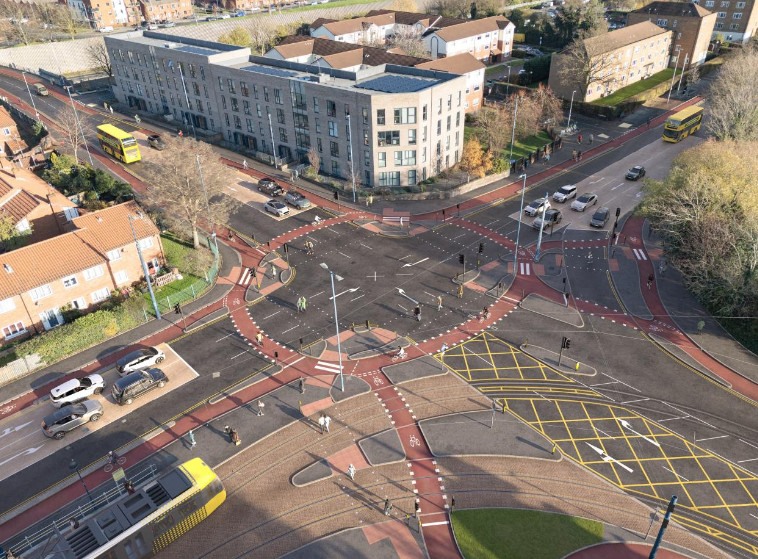
- New pedestrian and cycle crossings at key locations including MediaCityUK, Broadway Roundabout, Langworthy Road, and Liverpool Street to make everyday journeys safer and easier.
- Protected cycle lanes added along Liverpool Street and Langworthy Road to link up with the existing facilities on South Langworthy Road, providing continuous, separated space for people cycling.
- Junctions at Broadway, Eccles New Road, Langworthy Road, and Liverpool Street will also be improved to enhance safety and better support all road users. This will include signal controlled pedestrian crossings, new protected cycle lanes and updated road markings so junctions work as efficiently as possible as well as new pedestrian and cycle crossings.
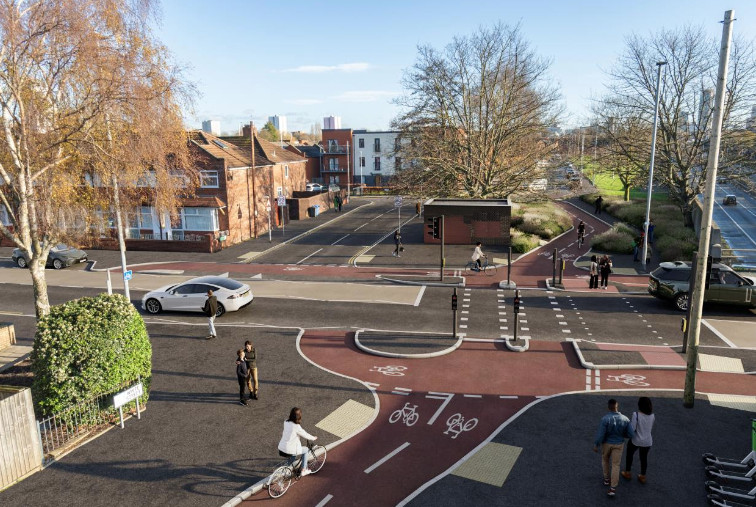
During an earlier round of engagement, feedback was gathered from people on how to improve this route. This feedback has been used to shape these proposals, which will also improve integration between buses, trams and trains.
The proposals support the ambitions of the Greater Manchester Strategy to create a greener, fairer, more prosperous city region. By making it easier to travel by bus, bike or on foot, we’re helping to cut congestion, improve air quality, and connect people to jobs, education and opportunity.
TfGM and Greater Manchester councils’ improvements to active travel and bus connectivity on the Oxford Road Corridor, and in Leigh, Atherton and Tyldesley have been linked to an increase in local business performance.
And a recent report from the Confederation of Passenger Transport found that every pound the government invests in better bus services and bus priority measures can generate around £4.55 in wider benefits, including economic growth, less traffic and pollution, better access to jobs, and improved health.
Alison Chew, TfGM’s Interim Director of Bus, said:
“Through the Bee Network, we are building a joined-up transport system that connects people with places and opportunities – making it safer, easier and more affordable to travel across Greater Manchester.
These plans intend to deliver quicker, more reliable bus journeys alongside better walking and cycling routes and more accessible and comfortable bus stops.
“These revised proposals reflect early feedback we have had on this scheme, and we remain committed to working with our communities to ensure we shape the Bee Network in a way that works for everyone.”
(Pictures: TfGM)