Improving air quality through cleaner transport, better urban planning and reduced emissions could prevent or postpone more than nine million deaths annually across low- and middle-income countries, according to new research from the University of Cambridge.
The study, published in the journal Environment International on 10 November, examined the potential health and economic benefits of meeting World Health Organization (WHO) air quality guidelines in 136 countries.
Researchers found that meeting the WHO’s recommended annual limit for fine particulate matter (PM2.5) could reduce annual mortality by an estimated 9.43 million across the countries studied.

Reducing nitrogen dioxide (NO2) concentrations to recommended levels could prevent or postpone a further estimated 1.1 million deaths annually under a separate modelled scenario.
The findings highlight the importance of addressing pollution from road transport, particularly as vehicle use increases alongside urbanisation and economic development.
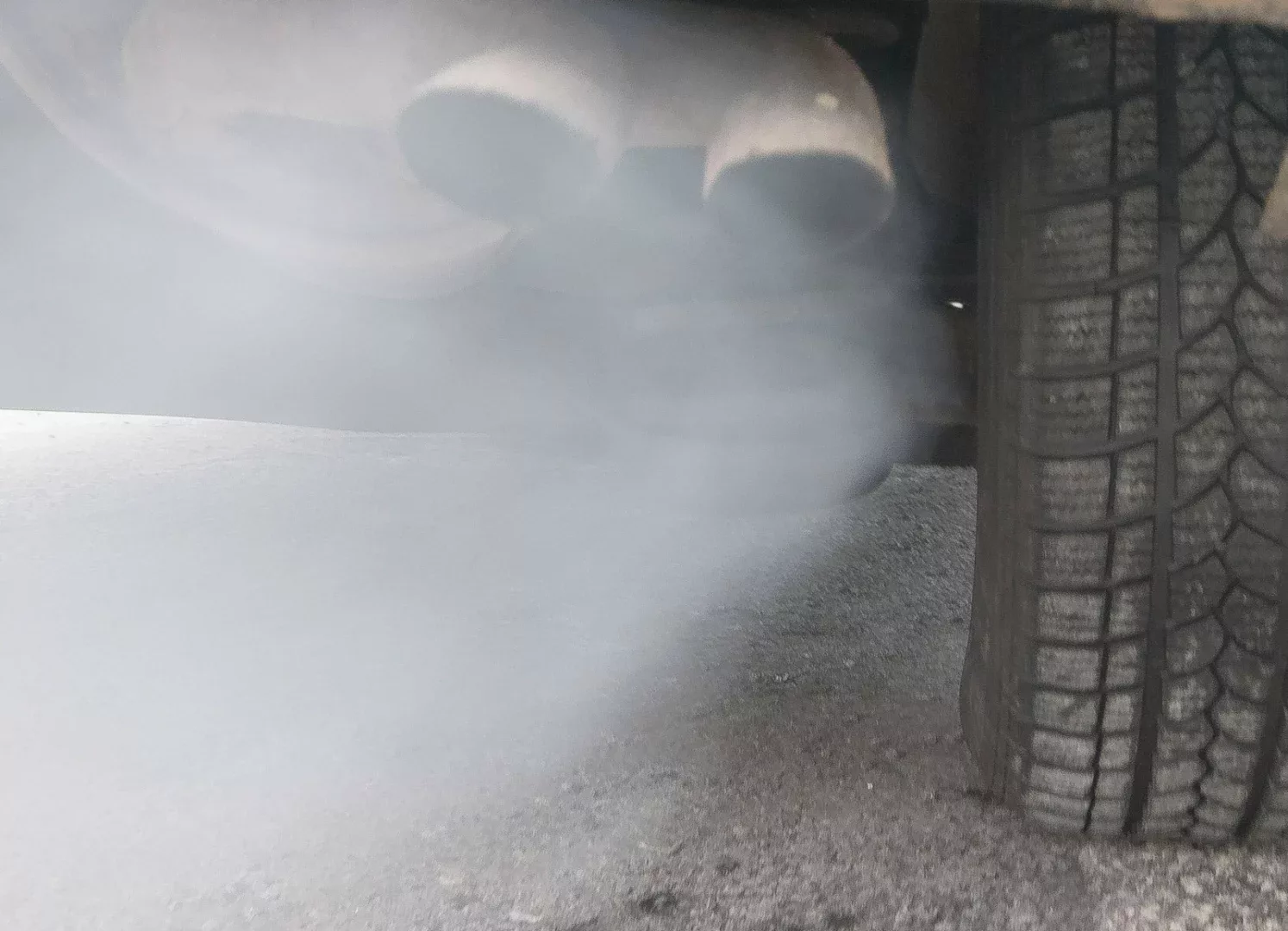
Vehicle exhaust emissions are an important source of nitrogen dioxide, while fine particulate matter comes from a wider range of sources, including road traffic, industrial activity, power generation, construction and domestic fuel burning.
The researchers said air quality in many low- and middle-income countries had deteriorated alongside rapid urbanisation, economic development and the growing use of cars and other motor vehicles.
Transport and urban planning key to cleaner air
The scale of the potential health benefits underlines the importance of decisions about transport infrastructure, vehicle emissions and how growing urban areas are planned.
The WHO revised its air quality guidelines in 2021, recommending an annual average limit of 5 micrograms per cubic metre (μg/m³) for PM2.5 and 10 μg/m³ for nitrogen dioxide.
Across the 136 countries included in the research, the average annual PM2.5 concentration was 30.44 μg/m³ – more than six times the WHO’s recommended level.
The researchers also examined the benefits of achieving less stringent interim targets, finding that even these could deliver significant improvements in public health.
Meeting the WHO’s PM2.5 interim target could reduce annual mortality by an estimated 6.58 million, while achieving the equivalent target for nitrogen dioxide could reduce it by around 435,000.
Haneen Khreis, co-corresponding author of the study at the University of Cambridge, said achieving the guidelines would not be straightforward, but offered countries an important opportunity to build healthier cities as their populations grew.
She said: “Meeting the WHO’s air quality guideline values will not be straightforward, but low- and middle-income countries have a critical opportunity to shape healthier futures as their populations grow and their cities expand.”
Economic benefits of cleaner air
The benefits of improving air quality would extend beyond reducing premature deaths, with the research also identifying significant potential savings in healthcare costs and improvements in productivity.
Under the PM2.5 guideline scenario, the researchers estimated that annual cases of chronic obstructive pulmonary disease could fall by 2.82 million, with reductions of 7.3 million in ischaemic heart disease and 2.3 million in stroke cases.
The study also estimated substantial economic gains through reduced mortality risks, lower medical costs and fewer working days lost through illness.
The findings reinforce the links between transport policy, urban development and public health, with the researchers highlighting the need for economic growth to be accompanied by decisions that improve, rather than worsen, the quality of the air people breathe.
The research, Health and Economic Impacts of Achieving WHO Air Quality Targets in 136 Low- and Middle-Income Countries, was published in Environment International.
The authors stressed that the figures are modelled estimates of potential annual health benefits, rather than a prediction of the number of lives that would automatically be saved through meeting the guidelines.
(Picture: Yay Images)