Two studies taking place in Glasgow and Orkney are set to explore the viability of deploying self-driving shuttles in Scottish towns and cities. The projects are two of 14 to have received funding from the UK Government’s CAM Pathfinder Feasibility Studies (FS) Competition.
Leveraging the expertise of all the partners involved, the projects aim to combine detailed feasibility assessments with active stakeholder engagement to develop an actionable business case for the deployment of autonomous shuttles on public roads.
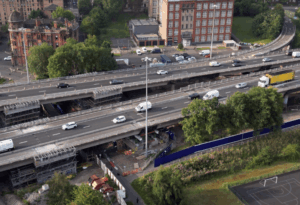
The Glasgow Automated Mobility Mass-transit Accelerator (GAMMA) is conducting a feasibility study to assess the potential for a self-driving bus service operating across selected routes in Glasgow city centre and surrounding areas.
The project will test the feasibility of autonomous bus operations on a variety of carefully selected rural, peri-urban and urban routes. The routes are designed to connect major points of interest, including employment hubs, healthcare services, recreation venues and key transport interchanges, such as Glasgow’s two main rail termini and central bus station.
It is one of 14 feasibility studies to have received funding and support from the UK Government and industry through the Connected and Automated Mobility CAM Pathfinder Feasibility Studies (FS) Competition, delivered by Innovate UK and Zenzic, and is being delivered by a consortium of leading organisations, including DG Cities, ZF and Admiral Insurance.
The team will gather and analyse key data sets, develop a robust safety case and engage a wide range of stakeholders, from local transport providers and businesses to academic and third-sector partners. The project’s aim is to design a commercially viable autonomous bus service that meets the real needs of the people of Glasgow.
Ash Dowler, Senior Innovation & Net Zero Consultant, DG Cities, said:
“This project is an exciting step towards understanding how autonomous buses can truly serve Glasgow’s people and places.
“As a consultancy which has helped cities across the UK harness the potential of new technology and data to improve the lives of residents, we are keen to explore how we can work with our partners, including Glasgow City Council, to tackle some of the biggest social and environmental challenges facing those who live, visit and work in the city. It’s fantastic to kick off this important work with such a great team.”
The Feasibility Studies (FS) Competition is part of the £150million CAM Pathfinder programme which was announced in the Government’s long-awaited Industrial Strategy. The UK Government sees a thriving CAM ecosystem as being key to driving innovation and helping it realise its ambition of creating a £40bn CAM sector and over 6,500 jobs in the industry by 2040.

Meanwhile onee of the UK’s most historic and remote islands is to host feasibility trials to demonstrate how futuristic autonomous shuttles could operate in the most rural of terrains.
The Kirkwall Autolink in Orkney is one of 14 projects to have been awarded funding and support from the UK Government and industry through the Connected and Automated Mobility CAM Pathfinder Feasibility Studies (FS) Competition.
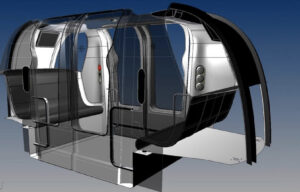
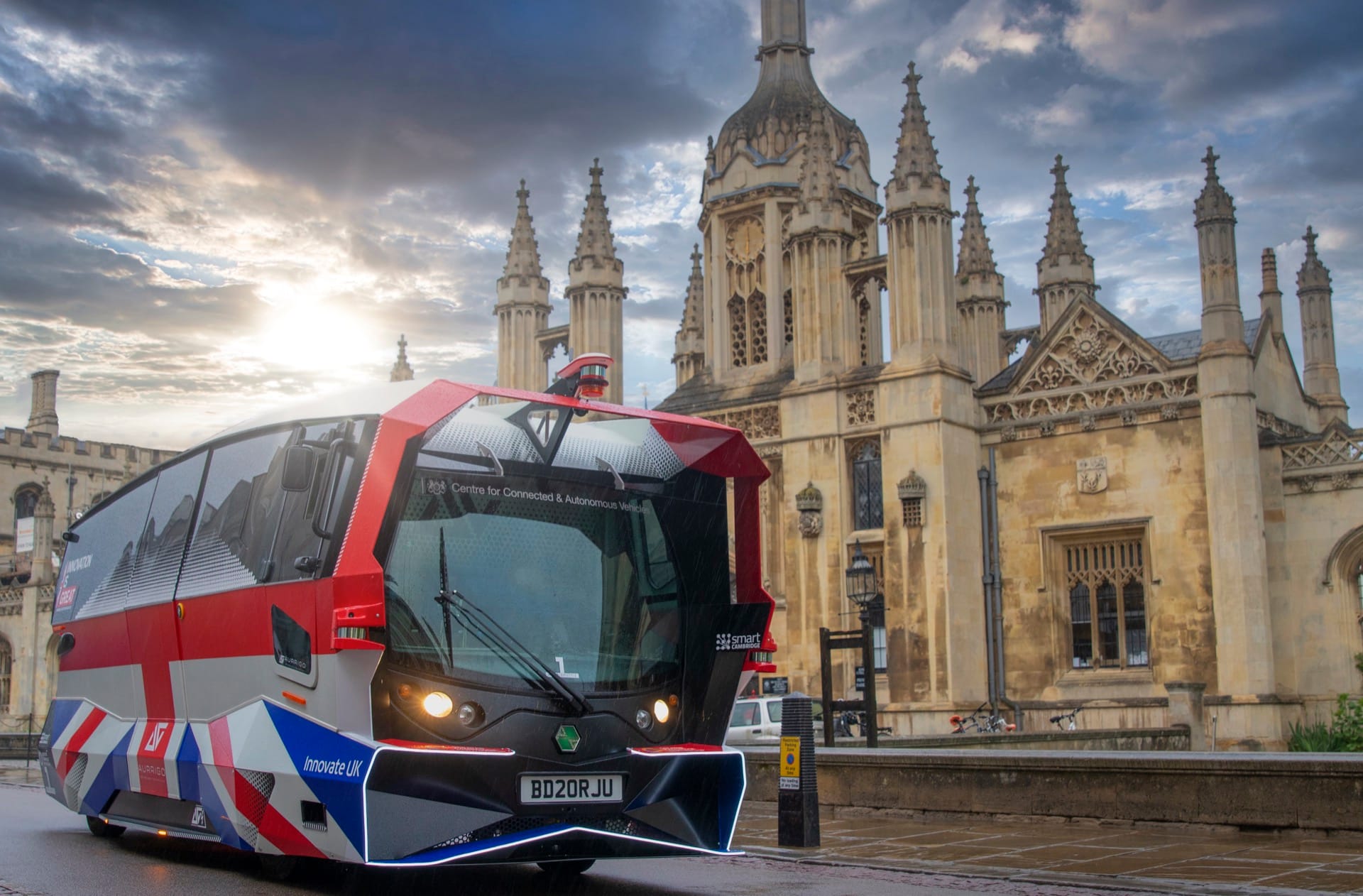
Led by Urban Foresight, supported by Aurrigo and The Highlands and Islands Transport Partnership (HITRANS), the project aims to develop a business case for an autonomous shuttle service to be deployed on the island, connecting Kirkwall Harbour and Kirkwall Airport.
Leveraging the expertise of all three partners, the project aims to combine detailed feasibility assessments with active stakeholder engagement to ensure that technical analyses and market insights directly feed into an actionable business case, paving the way for commercial deployment and setting a benchmark for autonomous transport solutions in rural settings.
Early tests of autonomous shuttles in rural areas have demonstrated significant benefits for communities, from improving accessibility to reducing social isolation, tackling driver shortages and offering a more sustainable and cost-effective mode of transport.
Callum White, Head of Net Zero Mobility at Urban Foresight, said:
“This project is about proving how cutting-edge transport solutions could work beyond cities. By testing the feasibility of autonomous shuttles in a place as unique and remote as Orkney, we aim to show how innovation might support smarter, greener, and more inclusive mobility. It’s an important step toward improving connectivity, support local economies, and building the case for future deployment in rural areas.”
Miles Garner, Chief Commercial Officer at Aurrigo, said:
“We’re excited to bring our autonomous vehicle expertise to this pioneering rural mobility project in Orkney. Operating in remote and challenging environments is exactly where autonomous technology can make a difference – delivering reliable, accessible, and sustainable transport where traditional services often fall short. This feasibility study is a vital step toward unlocking the full potential of autonomy
for communities that need it most.”
Ranald Robertson, Director of HITRANS, added:
“This feasibility study marks an important step in understanding how autonomous, zero-emission transport could support rural communities like those in Orkney. As the UK moves closer to real-world deployment of driverless services from 2026, it’s essential we explore how these technologies can meet the unique challenges, and opportunities, of remote areas. This project will help build the evidence base for more inclusive and sustainable mobility across all parts of the country, not just in cities.”
The Feasibility Studies (FS) Competition is part of the £150million CAM Pathfinder programme which was announced in the Government’s long-awaited Industrial Strategy.
The UK Government sees a thriving CAM ecosystem as being key to driving innovation and helping it realise its ambition of creating a £40bn CAM sector and over 6,500 jobs in the industry by 2040.
Zenzi’s Mark Cracknell, Programme Director at Zenzic, said:
“We are thrilled to announce the Kirkwall Autolink project, spearheaded by Urban Foresight and supported by Aurrigo and The Highlands and Islands Transport Partnership (HITRANS), as one of the fourteen exciting CAM Pathfinder Feasibility Studies taking place across the UK. The deployment of Connected and Automated Mobility solutions in our rural towns and cities holds incredible promise – enhancing accessibility, reducing emissions, and fostering a transport network that is both reliable and inclusive. The Kirkwall Autolink project will serve as a pivotal example in showcasing those benefits.”
(Pics; Creo Comms/CCAV)