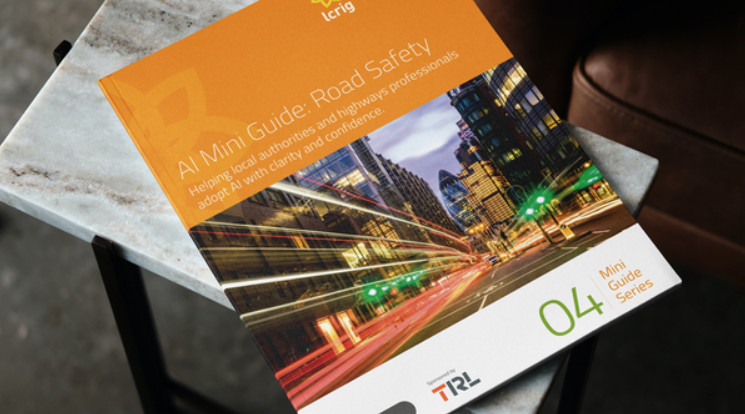
LCRIG have shared the fourth instalment of the AI Mini-Guide Series, a collection of practical, jargon-free resources designed to cut through the hype and show how AI can deliver real results in highways and road infrastructure technology.
Sponsored by TRL, this latest guide focuses on how AI can help reduce road risk and improve safety outcomes for all road users. It offers a realistic assessment of the technology, verified case studies with documented outcomes, and a breakdown of its benefits, challenges and practical applications.
Critically, the guide distinguishes between what AI can reliably deliver today versus what remains aspirational.
What’s Inside the Guide
- What is Actually Working – UK Case Studies
Real-world examples demonstrating how AI is already improving road safety.
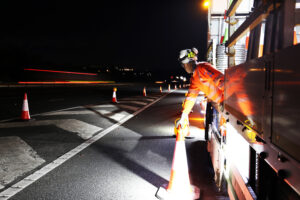
- AI for Worker Safety
How AI tools designed to protect road users are also being deployed to protect the people who maintain and operate the network.
- Opportunities and Benefits
Improving road safety, helping local authorities understand risk earlier, direct resources more effectively and deliver better outcomes for all road users.
- Barriers and Challenges
Practical considerations, challenges, and limitations to be aware of when adopting AI.
- Evaluating AI Supplier Claims
Key areas to seek clarity on when evaluating AI proposals.
Subu Kamal, TRL’s Head of Software Product Development said:
“AI has made it possible to predict crash risks in ways that were too hard or time-consuming before. But this isn’t a magic bullet. Our work shows that predictive models can help traditional methods, but they can’t replace them. Collaboration remains essential. Road safety is a shared responsibility, and that accountability is not going away.”
LCRIG members can access the guide HERE.
(Picture: LCRIG)