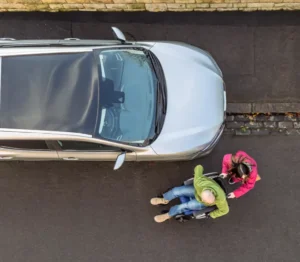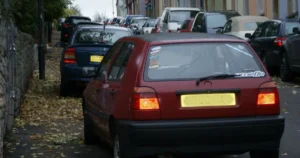
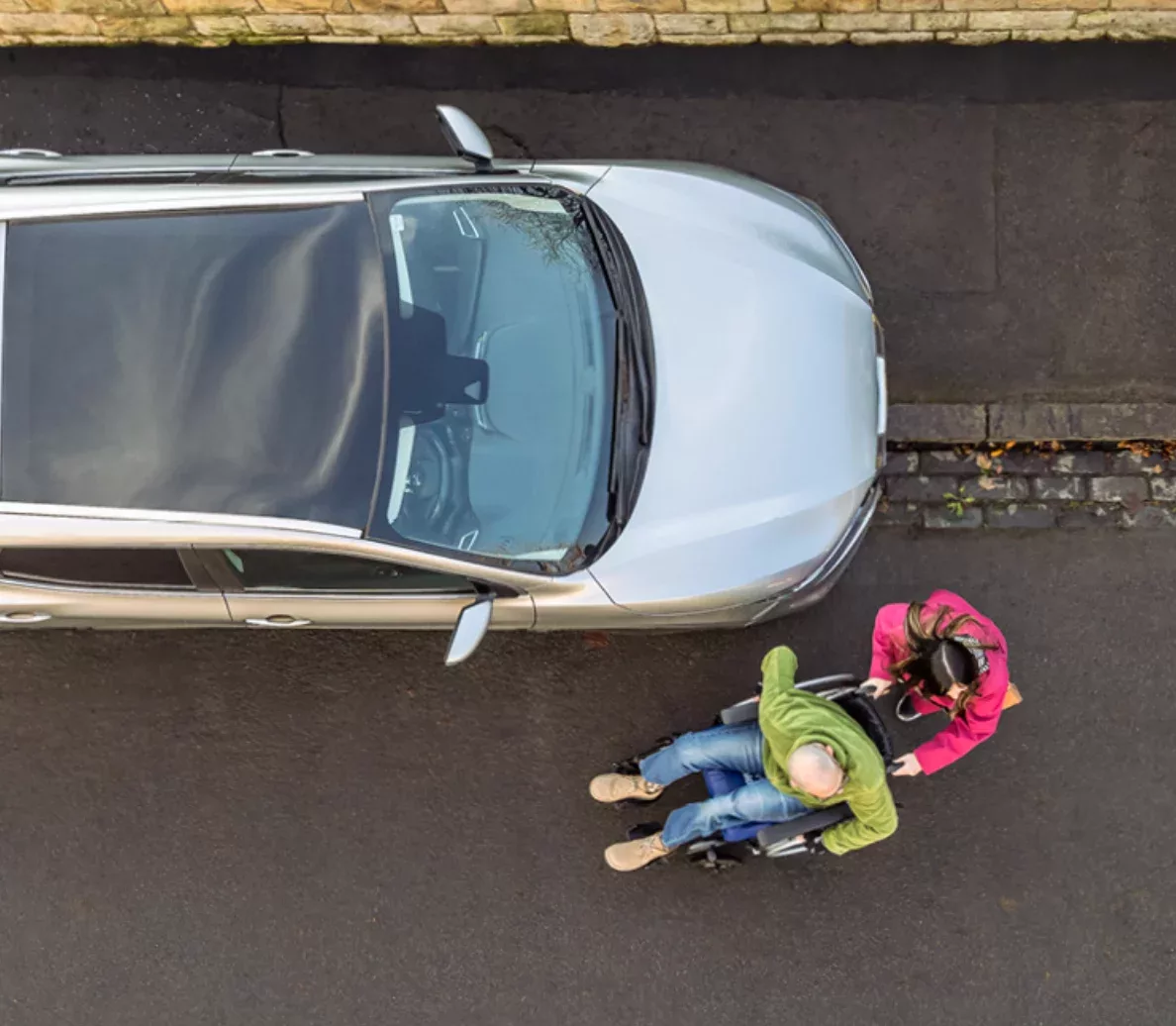
Disabled people will benefit from new local powers being made available to local leaders across England to introduce pavement parking restrictions across their area, helping keep them clear and accessible for everyone who uses them, while allowing exemptions where needed.
Blocked pavements can create serious barriers for parents with pushchairs, wheelchair users, blind and partially sighted people and older people, limiting independence and making everyday journeys harder and less safe.
Following a public consultation, the Department for Transport has confirmed that local leaders will be given new and improved legal powers to make it easier to restrict pavement parking across wider areas, rather than relying on the previous approach, where action is often limited to individual streets and requires lengthy, complex processes.
Local leaders know their streets best and are best placed to respond to local needs. Under the new approach, local leaders will be able to decide to take action on pavement parking in their area, and they will retain flexibility where they deem pavement parking may still be acceptable.
Local Transport Minister, Lilian Greenwood, said:
“Clear pavements are essential for people to move around safely and independently, whether that’s a parent with a pushchair, someone using a wheelchair, or a blind or partially sighted person.
“That’s why we’re giving local authorities the power to crack down on problem pavement parking, allowing more people to travel easily and safely and get to where they need to go.
Transport Committee Chair Ruth Cadbury has welcomed the publication of the Government response to the consultation on pavement parking.
“Having waited for years to see a response to the consultation on pavement parking in England, I’m delighted that the Government is now taking action to tackle this scourge,” she said.
“We look forward to safer and more accessible pavements across the country in the future. Some questions remain – including how an approach based on making powers available locally will work for non-local drivers if there is inconsistency between neighbouring highway authorities. The Transport Committee will be watching closely to ensure that legislation is enacted without further delays.”
Speaking in the House of Commons today (8 January), the Chair also welcomed the Government’s road safety strategy and congratulated ministers “for doing what the previous government spent 14 years not properly addressing, during which time too many have been killed and seriously injured on our roads in preventable incidents”.
She added: “When the Secretary of State appeared previously before the Transport Committee, she spoke positively about London’s Vision Zero strategy. Now that the road safety strategy is published, is the Government planning to adopt a Vision Zero strategy nationally?
RAC Senior Policy Officer, Rod Dennis, said:
“Our research shows a clear majority of drivers agree that no pavement user should be made to walk or wheel into the road because of someone else’s inconsiderate parking.
“These proposals should clear the way for councils to prevent pavement parking where it causes problems, but permit drivers to partially park on pavements where doing so helps keep traffic flowing and doesn’t inconvenience other people.
Mayor of the West Midlands, Richard Parker, said:
“Clear pavements matter. For parents with pushchairs, wheelchair users and people who are blind or partially sighted, a blocked pavement is not a minor inconvenience – it can stop a journey altogether and is a risk to people’s safety. Most drivers want to park safely and considerately and these new powers help in areas where dangerous parking causes real problems.
“Giving decisions to local leaders means solutions that reflect how our streets actually work. It’s a practical step that helps people move around safely, confidently and independently in their own communities.”
The department will set out guidance to help local authorities use these powers in a proportionate and locally appropriate way later in 2026.
(Picture: Road Safety Scotland)