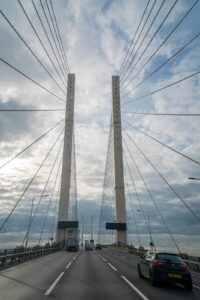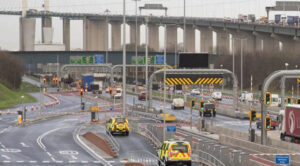
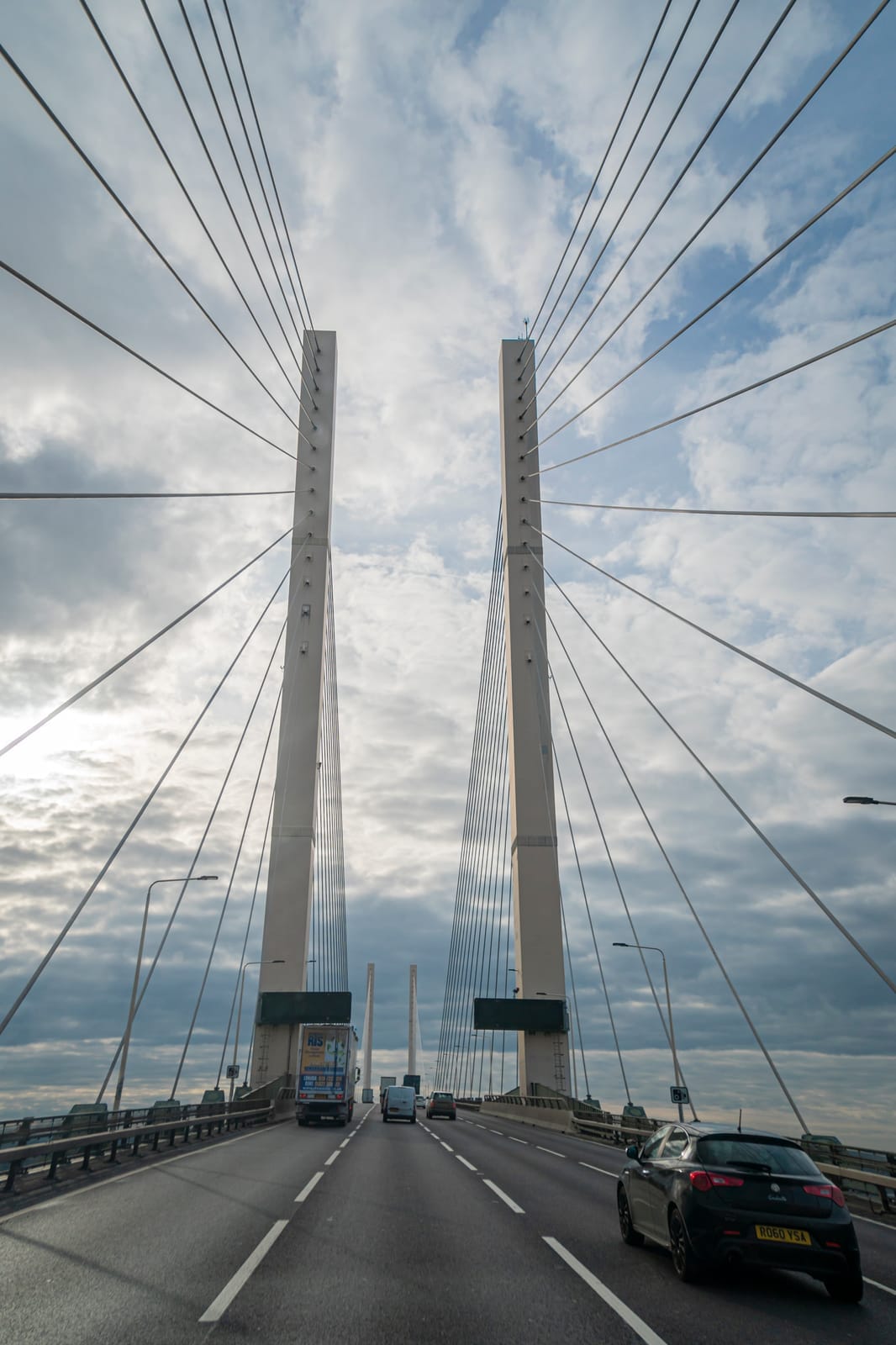
Dartford Crossing users have faced record delays since new, higher charges were introduced. Drivers of all vehicle types faced an increase from September 1, after the Government said that the current Dart Charge level was unsustainable, says Fleet News.
However, new research from Geotab shows that as well as facing higher charges, delays have increased. Based on data from thousands of commercial vehicle trips, September recorded the longest average crossing times of the year at 153.6 seconds, with the first week after the hike the slowest of all at 178.4 seconds.
On Thursday 4 September drivers took more than three minutes to get across; nearly 50 seconds slower than comparable days earlier in the summer.
By the end of the month, conditions had improved, with the final week showing the fastest times in five months, but congestion remains worse than it was earlier in the year.
The study also found that essential weekday trips barely shifted, even at higher cost. Only more flexible journeys later in the week were moved into free overnight periods, especially on Fridays and Saturdays.
“The toll rise has had little to no effect on the number of vehicles using the crossing, it simply amplified existing patterns, pushing more flexible trips into the night but leaving peak-hour congestion unchanged,” said Abhinav Vasu, associate vice president solutions engineering EMEA at Geotab.
“Drivers are paying more but still queuing just as long and, in some cases, longer. For many lorry drivers and commuters, the Dartford Crossing is unavoidable, and the toll increases have only added another financial burden.”
Geotab’s analysis also tracked ‘harsh events’ – sudden braking and sharp acceleration – which paint a vivid picture of the crossing’s daily stop-start grind.
(Pic: Yay Images)