The founder of kerbside management company Grid Smarter Cities has expressed his ongoing frustration that people are having to put up with traffic jams in this country, when a way of significantly reducing them is being ignored.
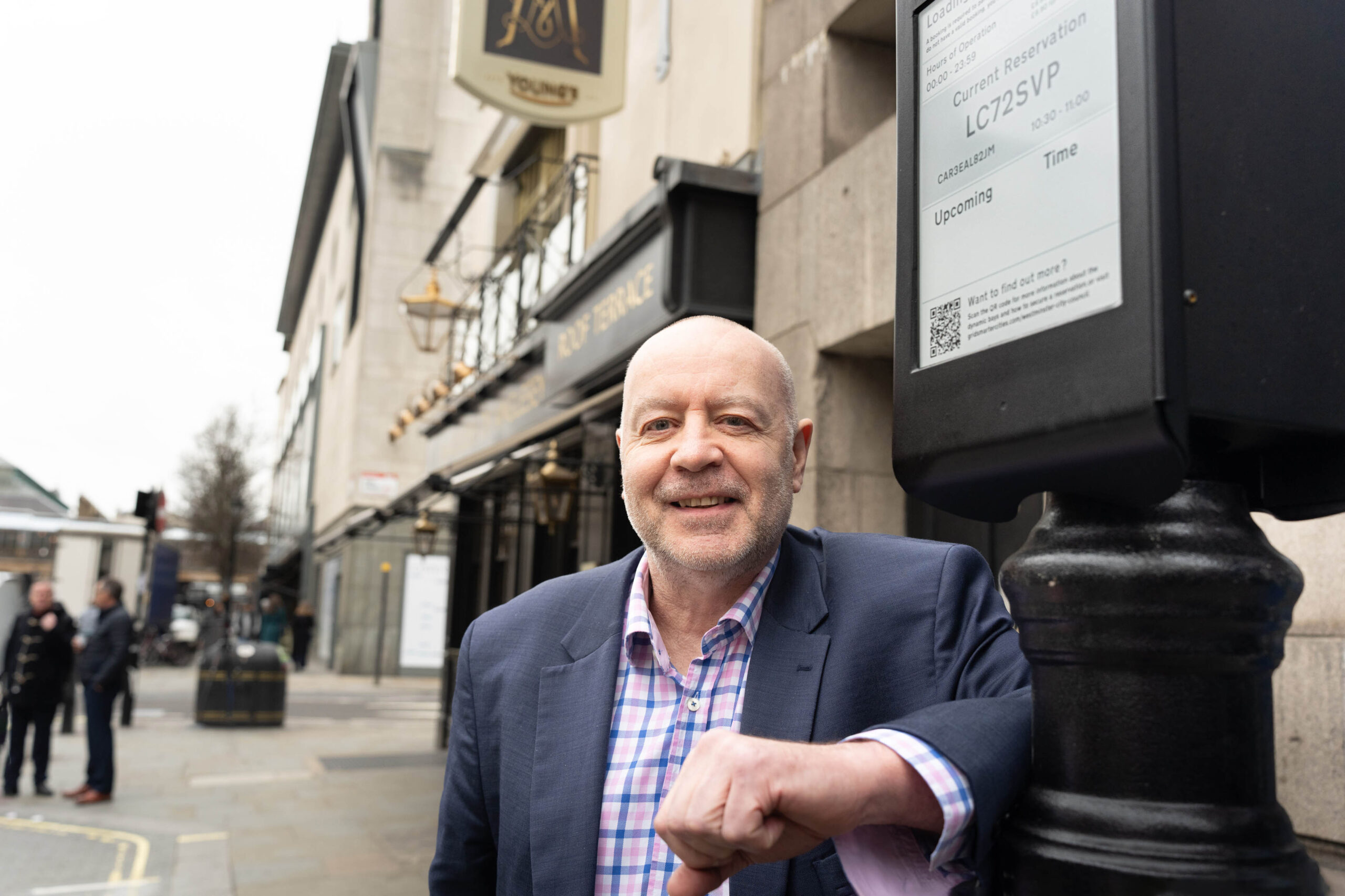
Neil Herron (pictured) was responding to the latest TomTom Traffic Index, which showed that London ranks as the world’s slowest capital city for travel time for the third year running, with the average London driver losing 136 hours – equivalent to more than five days – stuck in rush hour traffic in 2025, up one per cent on the year before. The rest of the UK fairs little better, with Belfast the UK’s most congested city, and Edinburgh also ranked among world’s top 40 most congested global cities.
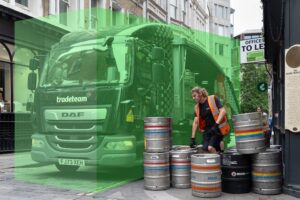
“We know that the shape of traffic is changing, with fewer people commuting five days per week offset by an ever-growing number of delivery vehicles out on the roads,” Mr Herron told Highways News. “These vehicles are regularly stopping and starting, often on yellow lines, blocking lanes and causing congestion. We have created a kerbside management platform that allows delivery drivers, from HGVs to vans, to book time slots in existing loading bays, or create digital permits on the kerb where loading bays aren’t in the right places, providing them with surety and freeing up roadspace for traffic to flow.
“Where it’s used, for example on Walworth Road in the London Borough of Southwark, we have seen better traffic flows, and therefore cleaner air and an increase in road safety – in fact, calculations by Stantec suggest time saved by equates to 21% more deliveries and saves a total of three million wasted delivery hours per year, which is the equivalent of taking 12,600 cars off the road. I have to admit, it does frustrate me that such a measurably successful approach isn’t being used more to ease congestion across the country.”
The Grid Smarter Cities Kerb® Delivery product enables freight drivers to book their kerbside loading slots in advance, meaning no loitering in the carriageway or circling the roads or blocking the carriageway. The solution won the Future of Parking prize at last year’s British Parking Awards and with Digital Traffic Regulation Orders being introduced, it means the kerb space, instead of being a first come, first serve, free for all, can be a bookable entity, and one that is managed, optimised and monetised.
“We know we can’t build our way out of congestion, but congestion continues to grow, so we need to find other – technological – ways of fixing it. By digitally managing the kerbside, councils have a very inexpensive – in relative terms – way of cutting the queues and cleaning our air. We’ve seen in Southwark that it’s such an effective solution – so why wouldn’t you use it? Local Authorities and cities can talk to us about it, and we can show how it’ll really make a difference to their congestion, and therefore air quality, challenges.
(Picture – Grid Smarter Cities)