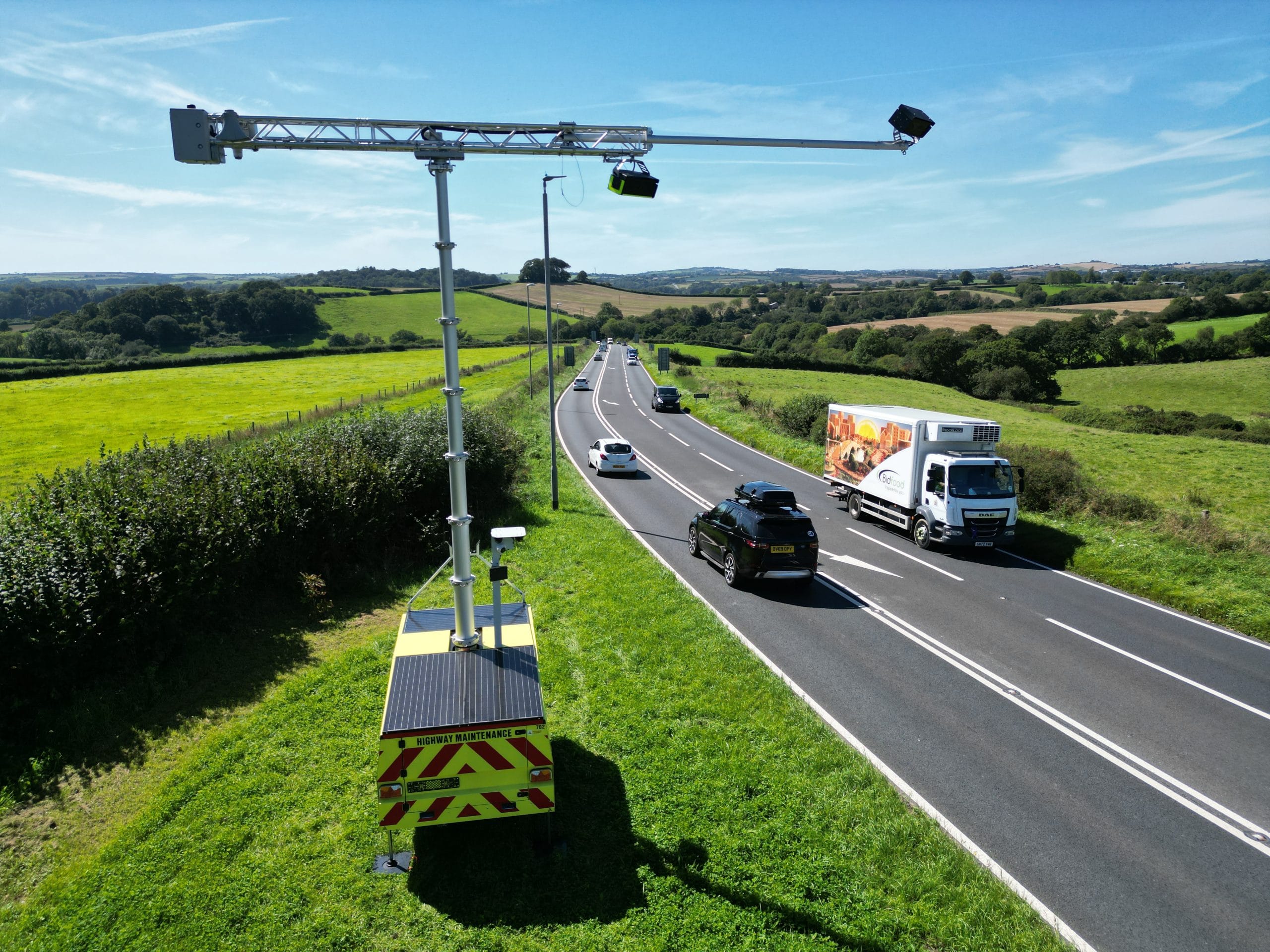
Speed cameras have been credited with a “dramatic and sustained” decrease in fatal and serious crashes on one of Devon & Cornwall’s most notorious roads.
The A38 between Dobwalls and Bodmin in Cornwall has seen a 45% reduction in serious collisions according to long-term data collected five years before and after the installation of an average speed camera scheme.
In the five years prior to their installation in 2020, there were 22 fatal or serious collisions on this stretch of road. However, in the five years after the scheme’s installation, that figure drops to 12.
The cameras were installed by National Highways, who are responsible for the strategic road network, in collaboration with partners of the Vision Zero South West road safety partnership. This included Devon & Cornwall Police and Cornwall Council.
Vision Zero South West has an ambitious target of halving the number of people killed or seriously injured on the region’s roads by 2030 and the organisation has been at the forefront of embracing enforcement technology with, as well as a large number of high-profile Jenoptik average speed camera schemes, the first permanent installations of the Acusensus ‘Heads Up’ distracted driving AI camera solution.
Adrian Leisk, Head of Road Safety at Devon & Cornwall Police and chair of the Vision Zero South West enforcement group, said:
“We understand that speed cameras may not be popular with everyone, but this data is proof that they save lives.
“These figures demonstrate a dramatic and sustained drop in collisions on what was once a very challenging section of road, subject to much campaigning from concerned residents.
“But it’s not just this site where we have seen sustained change. Our average speed schemes throughout Devon & Cornwall see over 99% compliance across the board, showing that the vast majority of road users are driving or riding in a safe and respectful way.”
Despite the scheme’s success, Mr Leisk said there was more work to be done.
He said: “We mustn’t forget that the figures quoted here are not just numbers. These are people’s lives turned upside down by unimaginable tragedy and trauma.
“Our officers and emergency service partners see first-hand the devastation that is caused by road traffic collisions and that is why we are so passionate about this cause.”
Over the past three years, Devon and Cornwall has seen a year-on-year decrease in the number of people killed and seriously injured on the roads.
Alison Hernandez, Police & Crime Commissioner for Devon, Cornwall and the Isles of Scilly, is chair of the Vision Zero South West road safety partnership.
Commissioner Hernandez said:
“There is so much work going on in this area to help reduce the terrible harm and tragedy caused by collisions – and I’m really encouraged to see the impact schemes like this are having in the region.
“Vision Zero South West isn’t just about speed cameras. Our partnership funds some incredibly innovative and in some cases world-leading projects.
“We have pioneered the use of AI technology to prevent seatbelt and mobile phone offences, we support IMPACT which conducts groundbreaking research into post-collision care, and we help educate young people across the region to make future road users the safest they can be.”
Jack Mason, National Highways’ South West Road Safety Manager, said:
“We’re always exploring ways to make our roads safer by using collision data, risk assessments and insights to better understand driver behaviour, and we’re pleased to see a reduction in the number of incidents along the A38 between the Turfdown and Twelvewoods roundabouts.
“Our interventions ensure safer journeys for the travelling public and local communities, the A38 sees a daily average of 23,600 journeys, and we’ll continue to take action and deliver schemes which reduce the number of people harmed along this busy single lane road.
“We’ve also introduced an average speed camera scheme between the Carkeel and Trerulefoot roundabouts this year and, working with our Vision Zero South West partners, we’ll continue to monitor the safety and performance of the route, and make any future interventions where needed.”
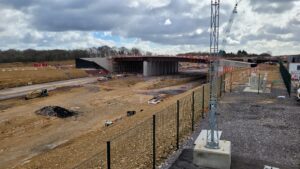
(Picture: Vision Zero South West)