
West Midlands Police are deploying an AI camera in an attempt to catch up to two million motorists who doctor their number plates to evade detection in ultra-low emission (ULEZ) and low-speed zones.
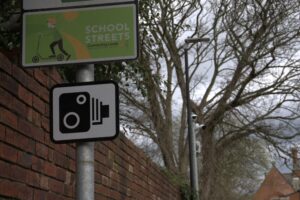
It is estimated as many as one in 15 motorists may be using “ghost” or fake plates to avoid being caught by the growing numbers of automatic number plate recognition (ANPR) cameras deployed to enforce 20mph and other speed limits, as well as ULEZ, says the Daily Telegraph.
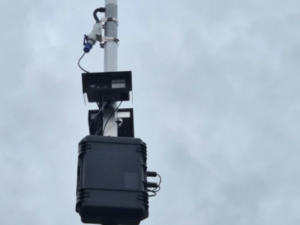
Now one of Britain’s biggest police forces is trialling a new AI-powered camera designed to expose the true scale of the use of illegal ghost plates.
During the first two weeks of the pilot deployment by West Midlands Police, the new technology detected 4,335 separate instances of ghost plates being used, involving 2,961 individual vehicles that would likely have gone undetected by traditional ANPR systems.
It means police will not only be able to catch and prosecute motorists caught deliberately doctoring their number plates but also identify those seeking to avoid fines for breaches of speed limits, Ulez and other restricted zones.
Police said it would also enable forces to better track and identify criminals who doctor their number plates in an attempt to avoid detection by police as they pursue illegal activities.
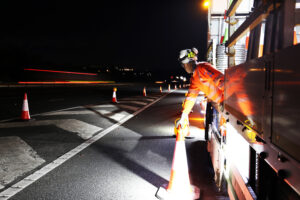
Motorists and criminals can use various methods to alter or obscure number plates to avoid detection by ANPR infra-red cameras. These range from gels and sprays to physical modifications such as reflective “stealth” tape that can be purchased online for £80.
Simon Foster, the West Midlands Police and Crime Commissioner, who chairs the region’s Road Safety Strategic Group, said:
“These illegal plates are not a minor offence – they are a serious criminal enabler. By using cutting-edge technology, we are exposing offenders who think they can evade the law, and ensuring that they can be brought to justice.”
Sarah Coombes, the Labour MP for West Bromwich, commented:
“The drivers using these ghost plates have gone under the radar for too long, but now they’ve been rumbled and it’s time to crack down on them.”
(Pic: gov.uk)