A survey of 2,050 UK adults, conducted by Opinium on behalf of the newly launched Institute for Driverless Transport, found that 33% of respondents believe driverless cars have no benefits at all, the most commonly selected single answer. However, over half of those surveyed (52%) could name at least one benefit, with fewer drunk or dangerous drivers (31%) and better access to transport for disabled people (20%) the most popular choices.
The sharpest divides are generational. Among 18-34 year olds, only 18% said driverless cars have no benefits. Among those aged 65 and over, that figure jumps to 50%.
Asked about specific use cases, 29% of all adults said they would be likely to use a driverless car to get home after a night out (rising to 42% among 18-34 year olds). 28% of the British public would use a driverless car for medical appointments and 28% for airport journeys.

When asked whether they would prefer a taxi with a human driver or a driverless one, 71% chose a human driver. Just 8% said they would actively prefer a driverless taxi, with 13% indicating no preference.
On security, 41% of respondents agreed that only companies from the UK or allied countries should be allowed to operate driverless vehicles on British roads, compared with 24% who disagreed. But perhaps the most striking finding was that 35% – more than a third of the public – said they did not know. The question of who should be allowed to operate autonomous vehicles on British roads is one that most people have not yet begun to consider, even as the first services prepare to launch.
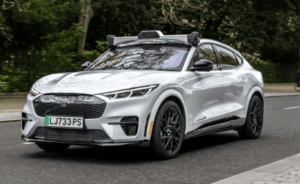
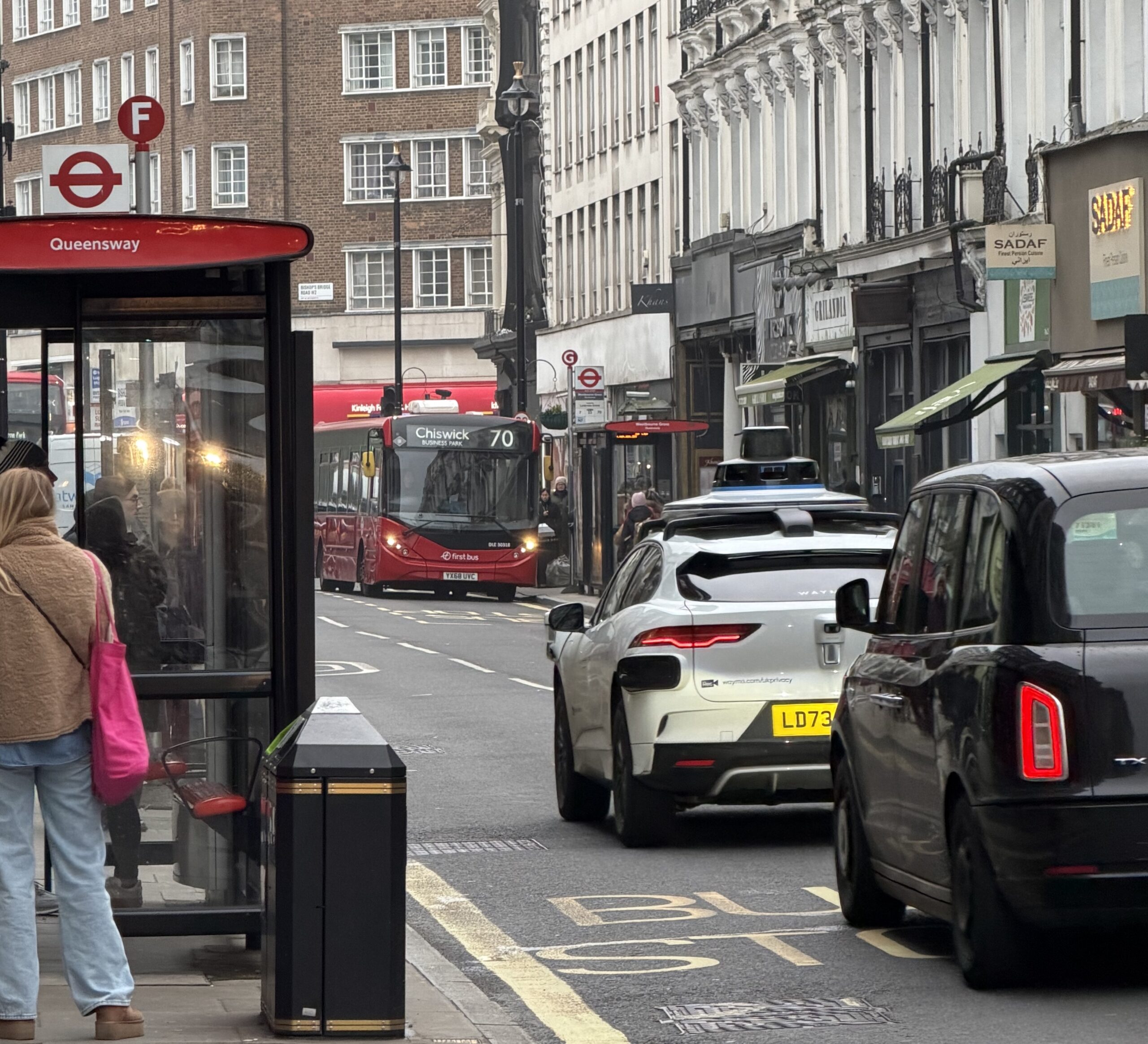
The polling also reveals significant regional variation. People in the West Midlands and London were more likely to use a driverless car for getting home from a night out (42% and 37% respectively). This is notable given that the West Midlands has been used as a testbed for autonomous vehicles, and London is soon to see the launch of the UK’s first commercial robotaxi services.
The launch event at One Triton Square, organised in collaboration with Venture Café London, brought together senior figures from across politics, the tech sector, transport, and civil society for an evening of speeches and focused roundtable discussions on the productivity, social, employment, and security implications of autonomous vehicles.
James Hutt, Co-Founder of the Institute for Driverless Transport, a new independent think tank established to prepare the UK for the consequences of autonomous vehicles.said:
“Driverless vehicles are coming to British roads this year. But our polling shows the public conversation hasn’t caught up. One in three people can’t see any benefit at all, and over a third haven’t even begun to think about the security implications. What’s clear from this data is that the public is not anti-technology – they’re cautious, and they haven’t been given enough information to think through the various consequences and form a view. Serious, independent work is needed to fill that gap. That’s what the Institute for Driverless Transport is here to do.”
(Picture: Olga Gonzalez)