
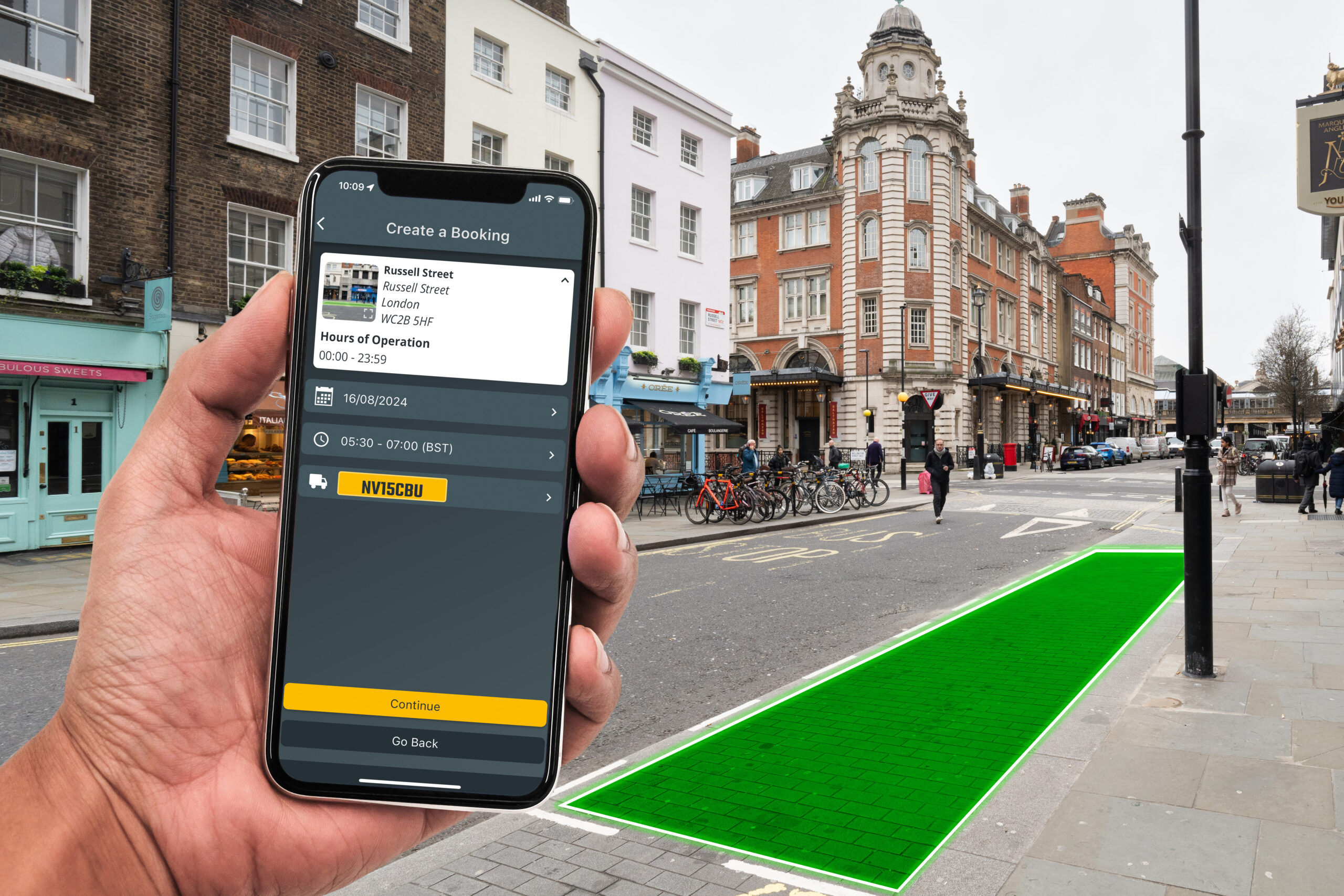
Kerbside management software solutions company Grid Smarter Cities says it is helping local authorities understand how better use of data will be critical to delivering the Government’s newly published Better Connected transport strategy.
The strategy, which sets out a long-term vision for a more integrated and user-focused transport system, places strong emphasis on coordination, digital tools and local decision-making, which are all areas where the kerbside is increasingly seen as a key battleground.
In a blog post on LinkedIn, Grid Smarter Cities asserts that the strategy reinforces a growing industry view: that the kerbside is no longer just about parking, but a vital piece of transport infrastructure.

“If you work in mobility, logistics or urban planning, it’s worth paying attention,” the post reads, “because buried within the policy language is a signal that’s hard to miss… the kerbside is about to become the most contested space in the city.”
It argues that, with competing demands from freight, servicing, active travel and passenger movements, better management of limited road space will be essential if the Government’s ambitions around efficiency and reduced congestion are to be realised.
A major theme of the strategy is the role of data and technology in improving network performance, something Grid Smarter Cities has long argued is fundamental to unlocking kerbside capacity.
The post continues: “More broadly, the strategy emphasises the role of:
- shared digital platforms
- interoperable systems
- real-time data
- integrated payment and booking services
“This marks an important shift in thinking. Digital infrastructure is increasingly viewed not as an optional enhancement, but as a foundation for how transport systems operate and integrate.”
The company makes the point that the strategy’s emphasis on devolving power to local and regional leaders is also significant for kerbside management, as councils will be expected to take a more active role in designing transport systems that reflect local needs, including how street space is prioritised.
Freight is another area where the kerbside will play a crucial role in delivering the strategy’s objectives. As e-commerce continues to grow and urban logistics becomes more complex, ensuring reliable access to loading space is essential.
While the Better Connected strategy sets a clear direction, Grid Smarter Cities’ perspective suggests that delivery will depend on how effectively policy is translated into operational change at street level.
The post concludes: “The UK’s transport ambitions are real. But ambition needs infrastructure to land on. The kerbside is where policy meets pavement, and managing it intelligently is how cities will make the integrated transport vision actually work.
“The integrated transport future the government is describing will only work if the kerbside is part of the plan. The cities that move first on this won’t just be better organised, they’ll be ahead of the curve on congestion, revenue and the race on decarbonising our streets.
“The kerbside is no longer just where you park. It’s where transport policy gets made real.”
(Picture – Grid Smarter Cities)