The three-year EU-funded KEYSTONE project, of which Coventry University is a partner, is heading into his closing month and has demonstrated how standardised digital data exchange can support more efficient, transparent and connected road freight operations.
The project, with partners also including the Technical University of Madrid, Etalätär Innovation and TTS Italia, consists of two pilot deployments. Pilot 1 (P1) focuses on a road transport setting based on a monomodal road transportation scenario with port interaction, in which a truck transports a container to the Port of La Spezia in Italy and port-related controls are carried out with support for automated ETA transmission and digital document handling in eCMR format.
Pilot 2 (P2) was conducted in an intermodal transport setting, combining rail and road operations along a chain from Rotterdam terminal to CIM Novara terminal, followed by a roadside inspection in Italy, with the aim of validating real-time data availability and compliance verification across the intermodal chain.
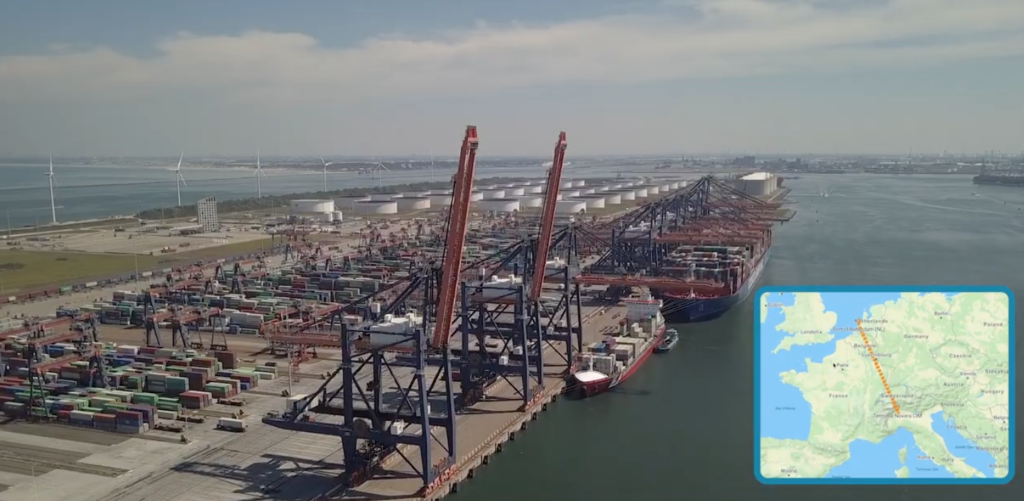
Through its pilot activities, KEYSTONE (Knowledgable comprEhensive and fullY integrated SmarT sOlutioNs for rEsilient, sustainable and optimized transport operations) tested how transport operators, ports, terminals and enforcement authorities can exchange information through standardised APIs, real-time ETA data and digital transport documents such as eCMR (electronic consignment note). This shows how road freight operations can move away from fragmented, paper-based processes towards a more connected digital ecosystem.

For the road sector, the key achievement is that KEYSTONE has shown that interoperability between private logistics systems and public authorities is possible in practical operating conditions. In the road transport pilot, the project supported digital information exchange in a road-port environment, helping to improve visibility of freight movements and support compliance-related checks.
The future implication is a road ecosystem where hauliers, ports, logistics platforms and authorities are better connected through trusted digital interfaces. This could help reduce administrative burden, avoid unnecessary stops, improve coordination between road and port operations, and support smarter enforcement and compliance processes.

Ali Sarang of project partner TTS Italia said:
“KEYSTONE demonstrates that a digital road freight ecosystem is not only a future ambition, but something that can be tested and validated in real operating conditions. By enabling standardised data exchange between transport operators, ports and authorities, the project points towards a more efficient, interoperable and resilient road transport system.”
The KEYSTONE project has published a White Paper which can be requested by email from:
[email protected]
(Pictures: KEYSTONE Project)