Southwark Council is highlighting the success of its smart, bookable loading bay scheme on Walworth Road, as new evidence shows the approach is improving traffic flow, cutting emissions and making deliveries more reliable for businesses.
Working with Grid Smarter Cities, the council has introduced a digital kerbside booking system that allows delivery drivers and operators to reserve loading bays in advance via an app, ensuring space is available when they arrive.
The initiative builds on the council’s wider “Streets for People” strategy, which aims to rebalance road space away from private cars and towards more efficient, community-focused uses.

Councillor James McAsh said the scheme is central to better managing limited kerbside space in busy urban areas.
“Bookable loading bays allow us to ration that out effectively and efficiently, so that when a business knows they’re going to have a delivery, they know there’s going to be a space available for them,” he explained.
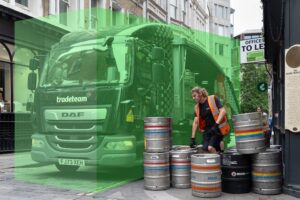
He added that unmanaged freight activity often leads to vehicles circling for space, increasing congestion and pollution, which is an issue the new system directly addresses.
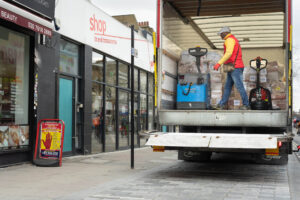
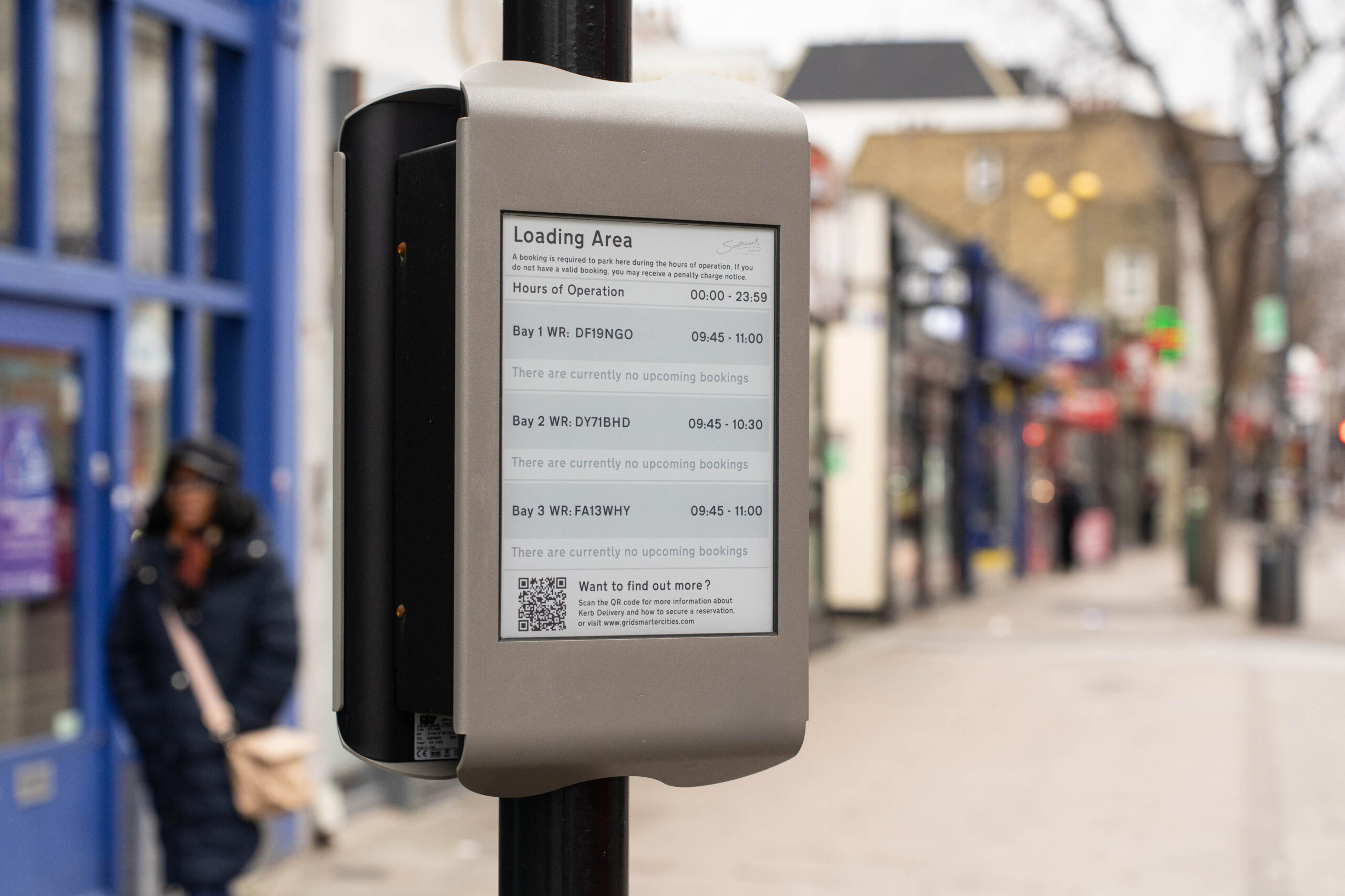
On Walworth Road, one of London’s busiest high streets, five bookable bays have been installed alongside real-time e-ink signage showing availability. The system replaces the traditional “first come, first served” approach with a dynamic, pre-booked model.
Grace Ingledew from Grid Smarter Cities said the impact has been immediate.
“Drivers know when they arrive to their bay location they have a space so they don’t have to circle or idle in the area,” she explained, noting that the platform reduces failed deliveries, congestion and emissions while improving safety for all road users.
Figures from Grid show the scheme has delivered multiple benefits, including smoother traffic flow during peak periods, improved compliance and enforcement, and fuel savings for operators. The street environment has also become calmer, with fewer obstructions and conflicts between road users.
For the council, access to real-time booking data is also proving valuable, enabling better decisions about how kerbside space is allocated between competing demands such as deliveries, public realm improvements and active travel.
McAsh described the approach as a “win-win” for businesses, residents and local authorities, freeing up space for other uses such as parklets, crossings and community infrastructure while ensuring deliveries can still take place efficiently.
With the Walworth Road trial demonstrating clear benefits, both Southwark and Grid Smarter Cities say the model has strong potential to be rolled out more widely across London and other UK cities.
The project is increasingly being seen as a practical example of how digital tools can help cities better manage the kerbside – a finite but highly contested asset – while supporting cleaner, more efficient urban logistics.
You can watch interviews with Cllr McAsh and Grace Ingledew by clicking on their names.
(Picture – Grid Smarter Cities)