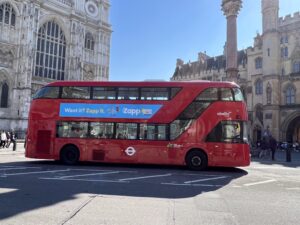
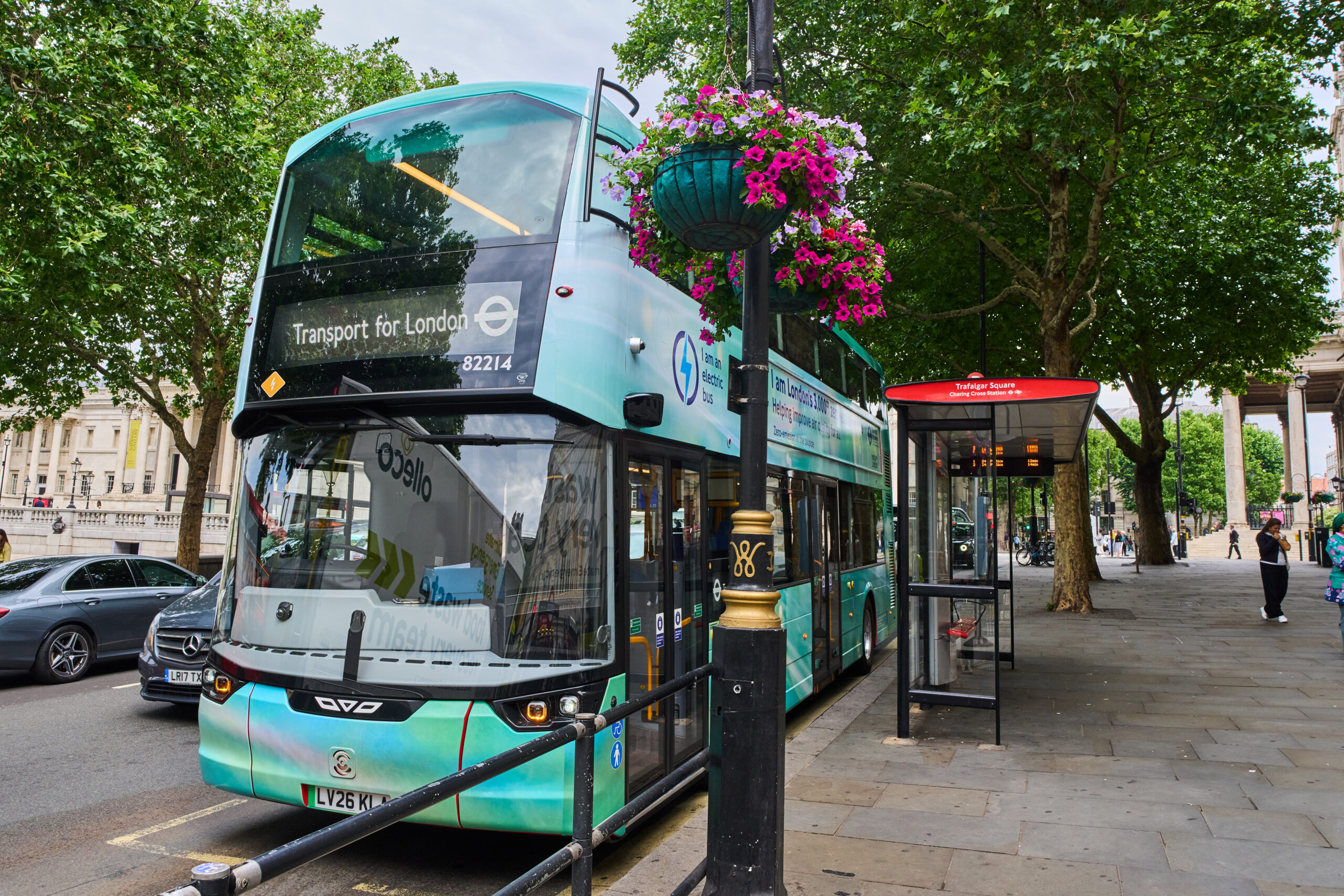
The capital’s iconic red buses have hit a major green milestone ahead of Clean Air Day (18 June) with 3,000 zero-emission buses now in operation – around a third of the Transport for London (TfL) fleet.
Already recognised as having the largest zero-emission bus fleet in Western Europe, London has seen a rapid 100-fold increase over the past decade, from just 30 electric buses in 2016. TfL is accelerating the delivery of its zero-emission fleet, which is set to double in under five years.
As transport accounts for a significant proportion of London’s greenhouse gas emissions, it’s vital that TfL continues to lead the green transition to tackle the climate emergency, cut toxic pollution, and protect public health and the environment. Making the bus fleet zero-emission at the tailpipe could save an estimated five million tonnes of carbon over the next two decades, while operating around 3,000 electric buses over the course of a year alone is estimated to save more than 100,000 tonnes of CO₂ emissions. This equates to more than 118,900 flights between London and New York City

Lorna Murphy, Director of Buses at TfL, said:
“This is more than a milestone; it is real visible change – cleaner journeys for Londoners every day. With a third of London’s fleet of iconic buses are now zero-emission, it is even easier for customers to travel around the city in a sustainable, affordable and accessible way. We have the largest zero-emission bus fleet in Western Europe and now more than 3,000 of London’s buses are now zero-emission, up from just 30 in 2016, demonstrating the pace of progress as we strive to transition the whole of the fleet.
“We’re brightening up our customers’ journeys in more ways than one, as we’ve also converted all of the lighting at our bus shelters to LED lighting. Using less energy, these bulbs will make our bus shelters more welcoming for customers and help them to feel safer, especially at night. From new zero-emission buses to LED bulbs, every step we take to decarbonise the public transport network propels us on our journey towards net zero.”
(Picture: TfL)