Intelligent Transport Systems and the growing availability of connected vehicle data have the potential to transform road safety by helping authorities identify risks before collisions occur, according to transport safety consultancy Agilysis.
In a new analysis of the Government’s recently published Road Safety Strategy and Data Action Plan, the company argues that data-driven technologies can support a shift from traditional reactive approaches towards proactive safety management. The strategy places a strong emphasis on the use of technology, data and innovation to reduce deaths and serious injuries on the road network and includes commitments to make greater use of connected vehicle data and advanced analytics.
Agilysis says intelligent transport systems already generate vast amounts of information through roadside sensors, connected vehicles, telematics platforms and traffic management systems. When combined with collision records and other datasets, this information can help identify emerging risks, unsafe behaviours and hazardous locations before serious incidents take place.

The consultancy highlights the increasing role of connected vehicle data, which can provide insights into harsh braking, sudden manoeuvres, speeding and near-miss events across large sections of the network. This allows road authorities to understand risk patterns that may never appear in conventional collision statistics, supporting more targeted interventions and investment decisions.
It says the road safety sector is moving away from relying solely on historic casualty data towards predictive approaches that use analytics and artificial intelligence to identify where future harm is most likely to occur. The company says this evolution aligns closely with Safe System principles and Vision Zero ambitions, enabling organisations to act earlier and more effectively to prevent deaths and serious injuries.
The publication comes as the Government sets ambitious new targets to reduce the number of people killed or seriously injured on Britain’s roads by 65% by 2035. The strategy also commits to establishing a data-led Road Safety Investigation Branch and exploring new opportunities to use vehicle-generated data to improve safety outcomes. Agilysis argues that intelligent transport systems will be a critical part of achieving those goals, providing the evidence and insights needed to make roads safer for all users.
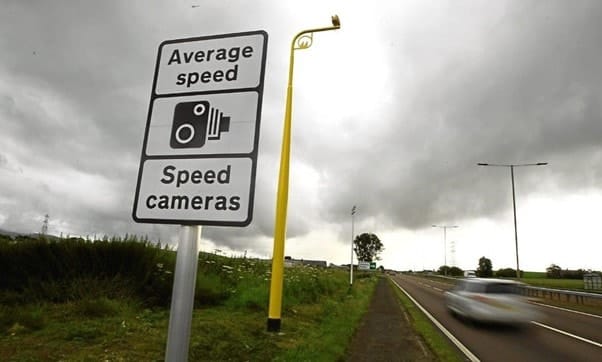
(File picture – Transport Scotland)