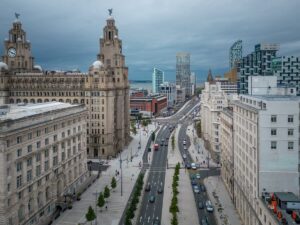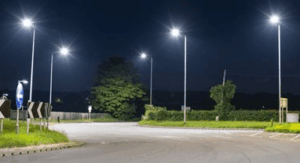
Signify have delivered an advanced smart lighting solution for Liverpool’s waterfront area.
The project was completed in collaboration with McCann Ltd, Street Lighting Maintenance contractor for Liverpool City Council, with support from LiveLabs, a three-year, UK-wide £30m programme funded by the Department for Transport that aims to decarbonise the local highway network and UpCiti, that uses connected lighting technology to reduce energy use, lower carbon emissions, and enable smart infrastructure management across the city.
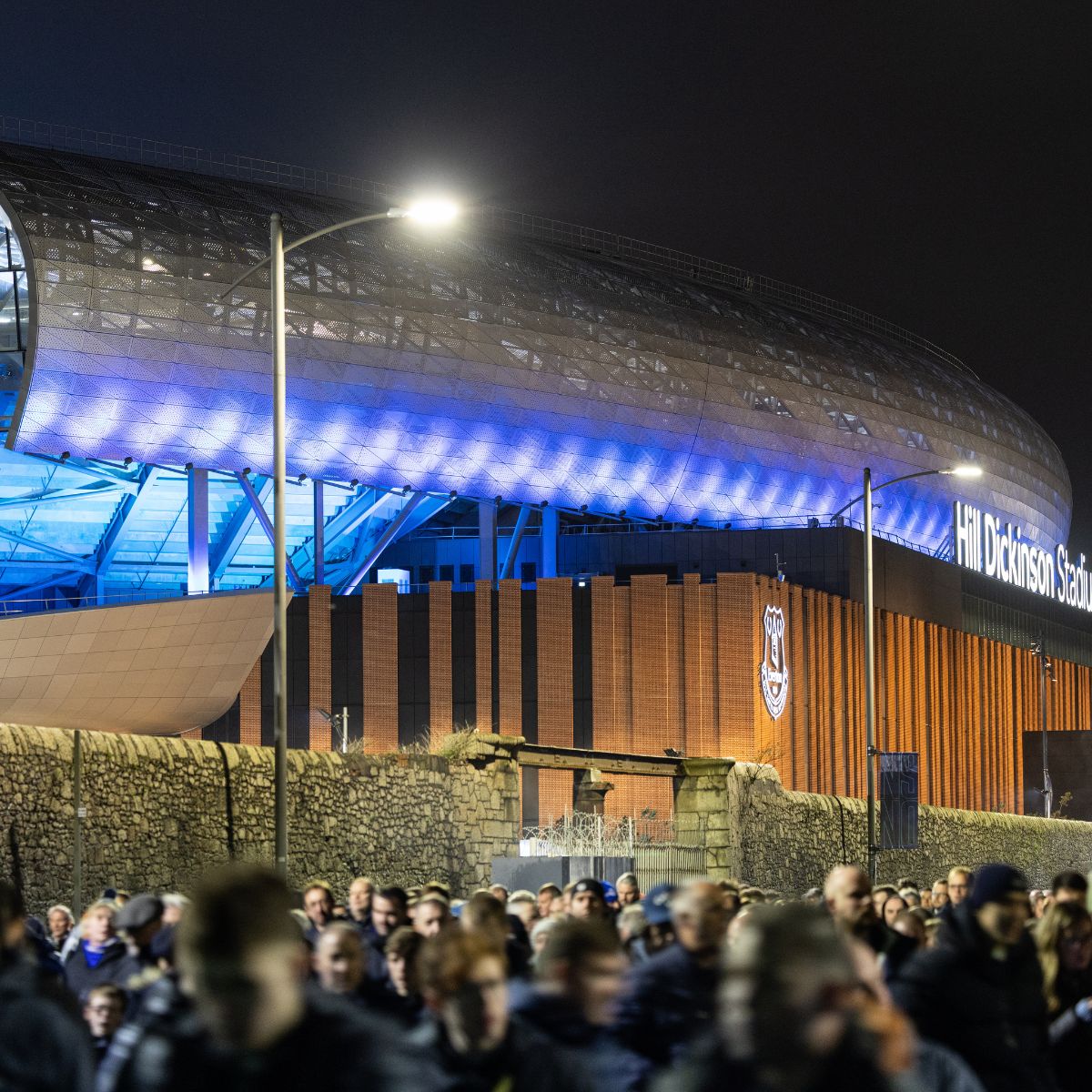
The installation covers key routes linking the city centre to Everton FC’s Hill Dickinson Stadium.
The city also needed to increase safety for pedestrians on match days as routes leading to the stadium experience significant surges in traffic during events, requiring brighter, adaptive lighting for safety and crowd management. In addition, in the past, the council has relied on public reports to identify lighting failures, leading to delays in repairs and potential safety risks.
The system uses Signify LumiStreet Gen2 luminaires which are connected to the Signify Interact City central management system, and which in turn is linked via API’s to traffic count sensors. These sensors monitor the traffic volume allowing the system to automatically adjust lighting levels based on traffic density and thus providing the right light when and where it is needed. The result is improved energy efficiency without compromising safety or visibility.
At the centre of the project is Guildford-hased Signify’s Interact City lighting control system, which continuously monitors performance and automatically detects faults to minimise downtime and maintenance costs. This proactive approach enhances public safety and streamlines management of lighting assets across the waterfront area. Interact City connects both new and existing luminaires, creating a unified lighting network that reduces energy use and supports future citywide upgrades.
On high-demand days Liverpool City Council can respond more effectively to increased requirements for lighting, operational efficiency and public safety. Lighting levels can be increased to maintain optimal visibility and support safer public spaces.
With each luminaire connected to Signify’s central management platform, the council can proactively manage the lighting network using real-time data and insights. This smart approach helps minimise energy waste by ensuring lighting is only used when and where it is needed, avoiding the inefficiencies of fixed schedules that can create a disconnect between planned lighting and actual conditions.
“We’re proud to be among the first UK local authorities to deploy traffic-adaptive lighting at scale,” said Ali Zahran, Principal Street Lighting Engineer at Liverpool City Council. “This investment is helping us reduce energy consumption, improve operational efficiency, and build a more sustainable, future-ready city. The upgrade responds to the evolving needs of residents while supporting the ambitions of a growing city, delivering smarter infrastructure that enhances safety, efficiency, and the overall urban environment for everyone.”
Councillor Dan Barrington, Cabinet Member for Transport and Connectivity at Liverpool City Council, said:
“Since the Hill Dickinson Stadium opened, we’ve listened closely to fans who want a safe, well-lit route back towards the city centre and key transport links. The new adaptive lighting along the busiest roads around the stadium means pavements are brightly lit when people need it most, helping everyone feel safer as they move through the area.
“Because the system responds in real time, we can also spot and fix faults quickly, keeping the route reliably lit on matchdays and beyond. And by adjusting the lighting to actual traffic levels, we’re cutting unnecessary energy use and delivering real savings for the city.”
(Picture: Signify)