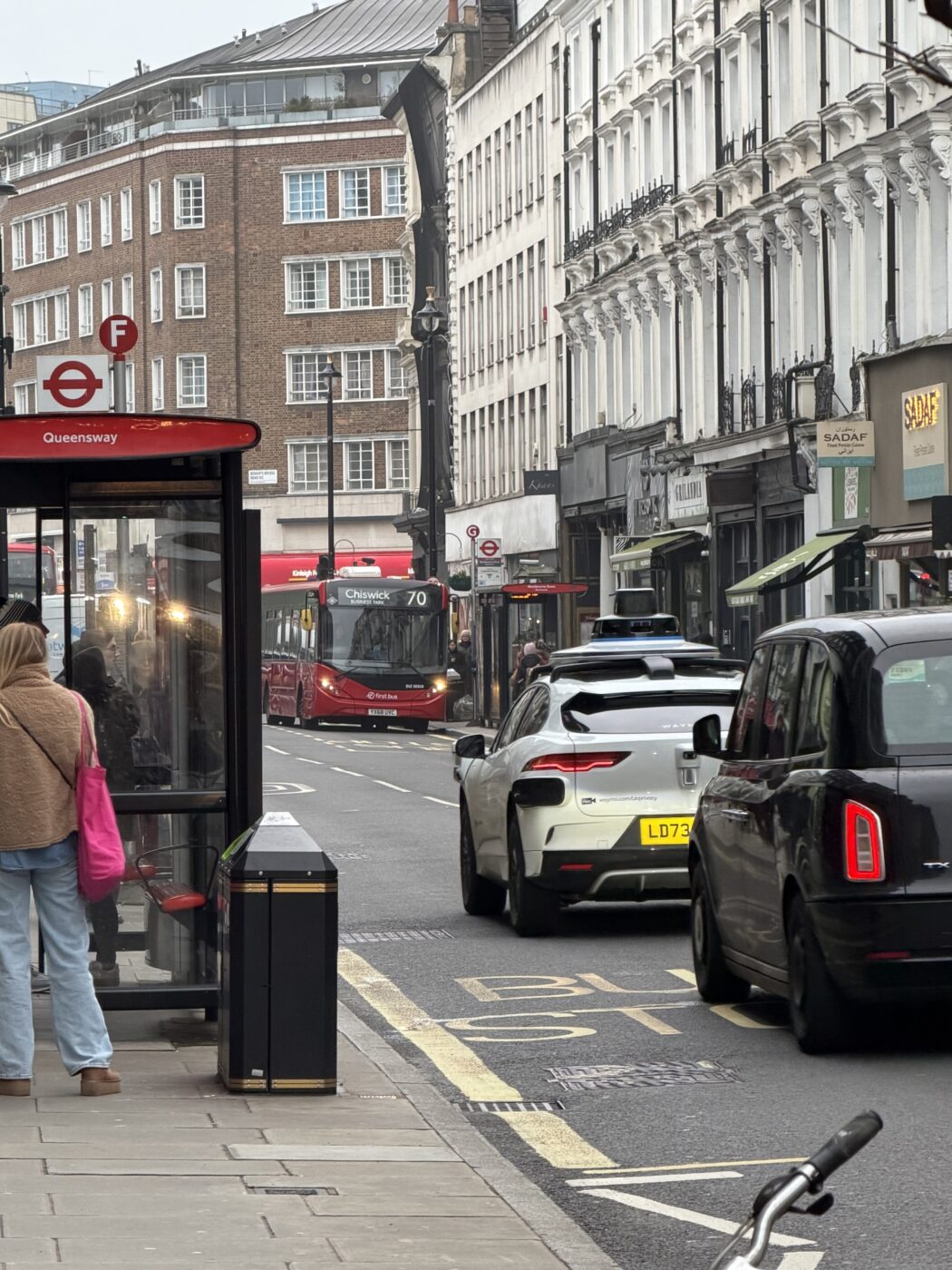
Driverless taxis are heading to London, and Professor Jack Stilgoe (UCL Science & Technology) calls the rollout a “fascinating social experiment”. Writing in The Guardian, he raises concerns about their safety, suitability for UK roads and how we’ll fix them when they go wrong.
“Having run surveys of public attitudes, my sense is that the public will have high expectations for safety, transparency and equity,” says Prof Stilgoe. “We are embarking upon a fascinating social experiment. The minister for local transport, Lilian Greenwood, has said that “government must be in the driving seat”. In the UK, cities will have a say in regulating the technology, which wasn’t the case when it arrived in places such as San Francisco.”
If London is to become a laboratory, he explains, we need to make sure that the knowledge isn’t hoarded by the companies running the tests.
“This story is often told to show that the inevitable march of innovation brings both solutions and problems. However, there was nothing inevitable about US cities becoming dominated by cars.”
Of London’s unique layout and ageing infrastructure, he said:
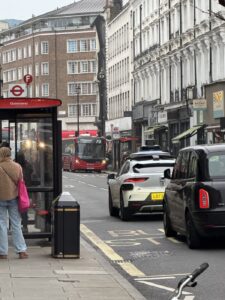
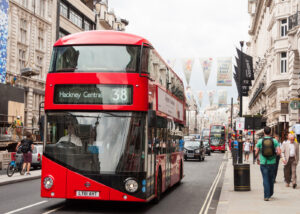
“London’s roads are… more chaotic… and our zebra crossings are far from machine-readable… This introduces uncertainty that slows down drivers but makes navigation harder for artificial intelligence.”
“The first time you are driven by a self-driving vehicle, it briefly feels magical… But if we want to use technology to improve transport, without storing up more problems for the future, we shouldn’t be pushed around by the hype.”
He concludes: The first time you are driven by a self-driving vehicle, it briefly feels magical. Like the Wizard of Oz, the companies involved would rather we didn’t look behind the curtain. But if we want to use technology to improve transport, without storing up more problems for the future, we shouldn’t be pushed around by the hype.”
Click HERE to read the full article.
(Picture: Olga Gonzalez)