The UK’s roads we drive on are built on a carbon liability, according to Phil Sutton, funder of Duraproducts. The traditional materials that underpin our highway network are fundamentally at odds with a low-carbon future, driving up environmental costs and generating needless waste. If the UK is to build highways fit for a
low-carbon future, innovation in materials design must become an essential, everyday activity for the sector’s supply chain, as Phil Sutton explains.
“The Government’s latest Carbon Budget and Growth Delivery Plan reinforces this urgency. It highlights the economic value of industries and technologies tackling climate change and sets out why they deserve long-term investment. Central to the plan are commitments to accelerate the transition to a circular economy, reducing waste, prioritising re-use and scaling recycling – while driving industrial decarbonisation in hard-to-abate sectors, including through Carbon capture, utilisation, and storage (CCUS). It also emphasises the need to promote innovation through cleantech challenges and targeted R&D funding.
“This direction of travel is echoed across the sector. National Highways has launched a new call for innovators to shape the future of England’s roads, aligning strategy with delivery. Key priorities include reducing occupational health risks for those working on the network, maximising safety gains, and improving the resilience and performance of construction materials.
“Together, these signals point to a sector ready for transformation and create the perfect foundation for solutions that can meet sustainability demands without compromising quality.
“As the sector looks to innovate how materials are sourced and utilised, recycled polymers have emerged as a pioneering and practical solution. The ability to transform waste plastics into durable, lightweight and low-carbon civil engineering solutions aligns directly with circularity principles. For highway engineers and road workers, the benefits extend beyond sustainability as polymer systems can reduce manual handling risks, minimise dust pollution, and offer consistent performance in challenging environments.
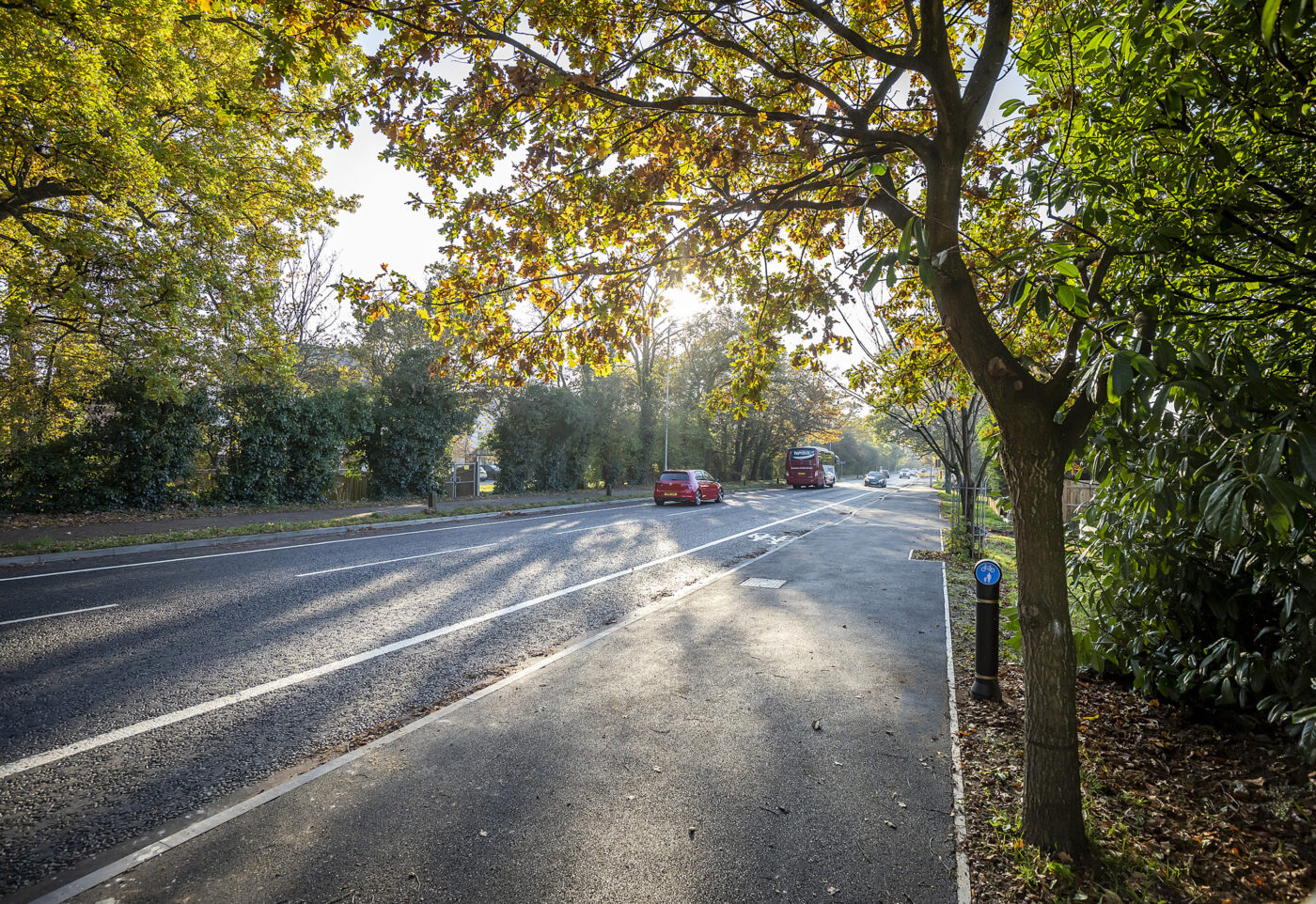
“Crucially, by diverting plastics from landfill, reducing embodied carbon and improving site safety, these materials help meet multiple industry targets at once. As more local authorities and contractors look to lower embodied carbon, materials that are both recycled and high- performance are becoming increasingly attractive.
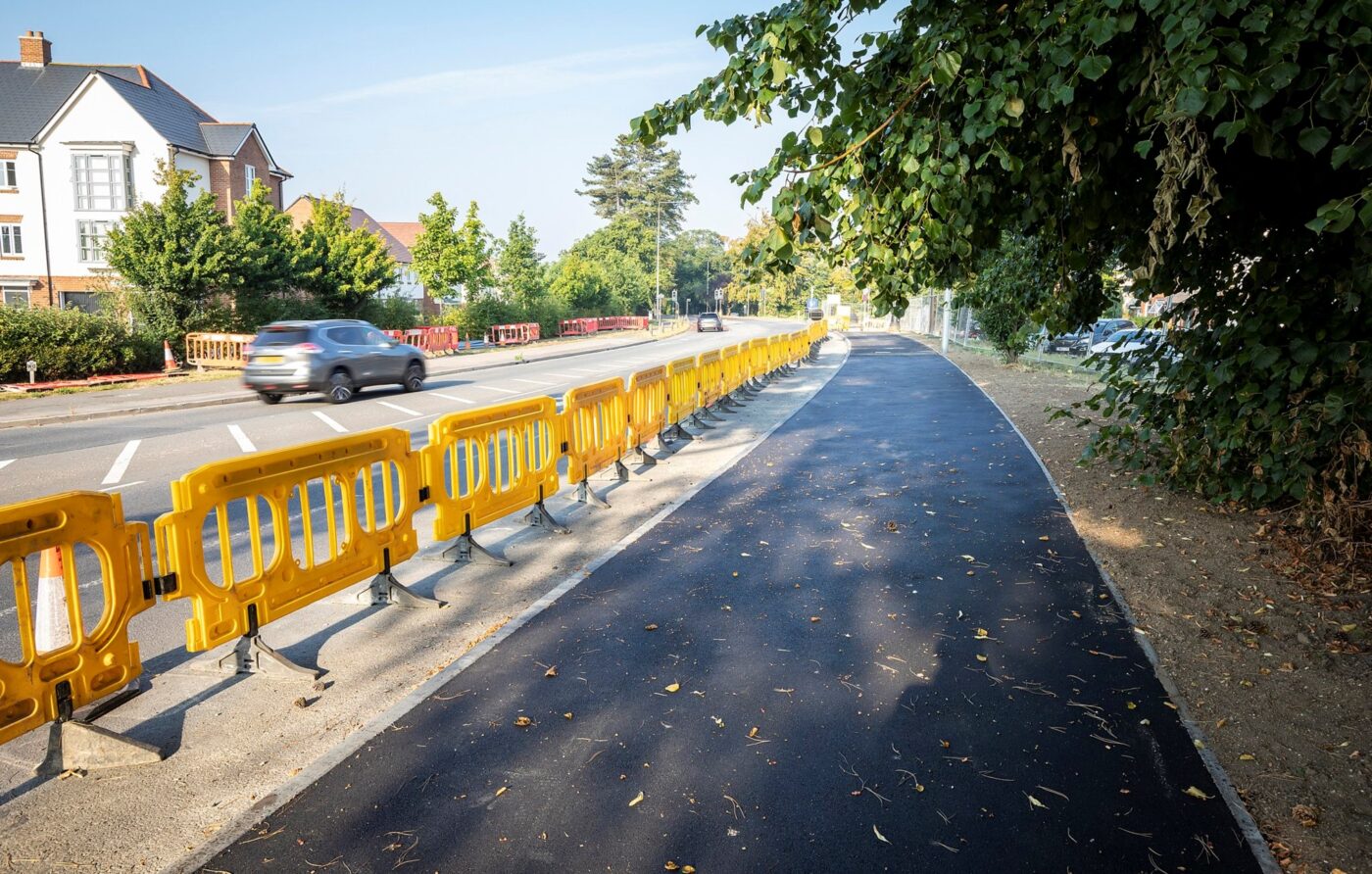
“At Duraproducts, we have been developing unique, sustainable products for the civil engineering sector for over 20 years. Our approach to recycled polymer kerbing and sustainable surface water management systems represents the potential of circular materials. To date, the company has repurposed more than 109 million waste polymer items, including bottles, caps and closures, into robust, low-impact, recycled and recyclable civil engineering solutions. The lightweight properties of each product reduces carbon use in transport to and around sites and within the method of installation, whilst also providing obvious benefits for manual handling. The elimination of heavy cutting tools, lifting equipment and the removal of risk from airborne silica protect workers from occupational risks.
“The update to the National Highways Manual of Contract Documents for Highway Works (MCHW) Version 1.0.0, Clause CC 207, which now includes polymer kerbs within national specifications, reflects a broader shift towards modernised materials across the sector.
“Alongside this, renewed standards and certifications such as the updated BBA HAPAS approval for polymer kerbing systems like Duraproducts’ Durakerb illustrate how clearer, contemporary guidance can help support wider adoption of lower-carbon alternatives.
“As certification evolves and circular materials become more widely accepted, the opportunity for the highways sector is significant. Recycled polymers demonstrate that sustainable alternatives can outperform their traditional counterparts on safety, durability and whole-life cost, while dramatically reducing environmental impact. They offer a practical pathway to meet national carbon goals without compromising the resilience or reliability that the UK’s road network demands.
“But unlocking this potential requires forward-thinking procurement, clearer material standards, and continued investment in research and development. If local authorities, contractors and manufacturers collaborate, circular materials will become more widely adopted – accelerating the transition to lower-carbon, lower-waste infrastructure.”
(Pictures: Stewart Turkington, www.stphotos.co.uk, supplied by Duraproducts)