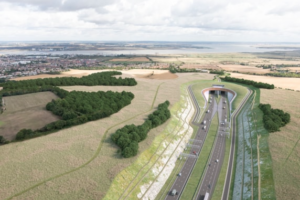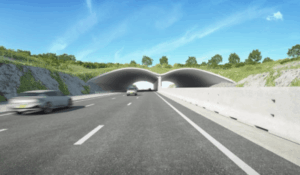
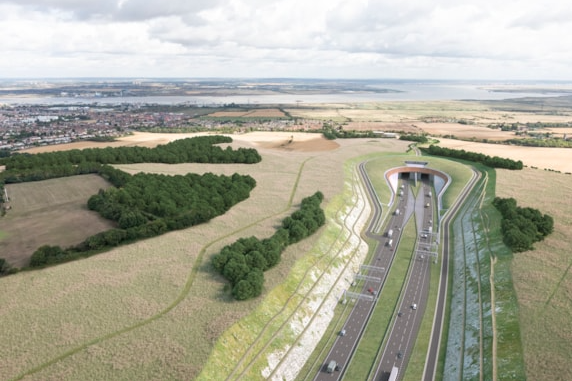
Three new Community Liaison Groups are being established by the Lower Thames Crossing to give local representatives a way to shape the project’s construction plans and hold the project to account on its commitment to being a good neighbour, says Your Thurrock.
The Lower Thames Crossing is committed to listening to and acting on the views of local people. The design of the road was shaped by a comprehensive programme of consultation and engagement, and now early work has started the project keeps its neighbours up to date through an outreach programme that includes regular drop-in events, letter drops, and a new interactive map of current and planned activity.
During the liaison group meetings, members of the project team will share information about upcoming work and the likely impact. Conversations with the community representatives will focus on how to avoid or minimise any impacts on the area, and how best to communicate with local residents and businesses.
Members were selected after discussion with affected local authorities, and will include representatives from community groups, along with community leaders such as councillors and local authority officers.
The groups will be led by independent Chairs with extensive knowledge of the Lower Thames Crossing and a strong track record of challenging it on behalf of the local community.
Stephen Metcalfe, former MP for South Basildon and East Thurrock, will chair the two Community Liaison Groups covering the project north of the river Thames. Bob Lane, Chair of Shorne Parish Council and former Gravesham Borough Councillor will chair the Community Liaison Group covering the project in Kent. Bob was formerly Chair of action groups opposing the Lower Thames Crossing.
Mr Metcalfe said:
“I am pleased to have been appointed to chair the two Community Liaison Groups north of the Thames. Having followed the Lower Thames Crossing proposals closely for many years, I am very conscious of the concerns of residents and businesses along the route.
“The project is now moving forward, and these groups must provide a strong and effective voice for the communities affected by its construction. My role will be to ensure that National Highways is properly challenged and held to its commitments, that local concerns receive clear answers, and that every opportunity is taken to minimise disruption and secure the best possible mitigation for residents.”
(Picture: National Highways)