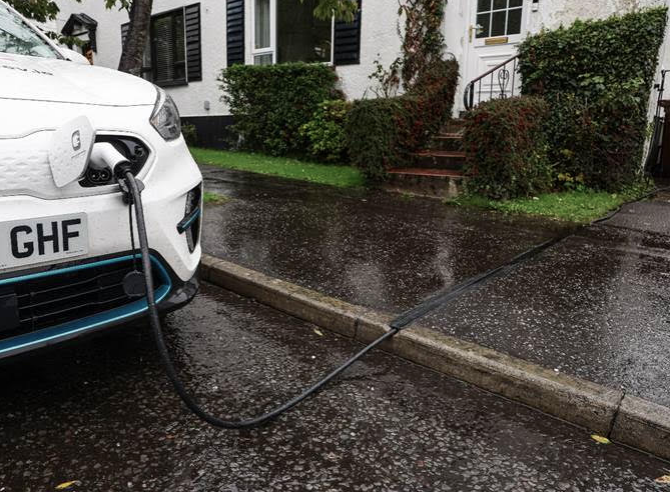
New research commissioned by the RAC has suggested that three in 10 UK drivers are more likely to consider an electric vehicle (EV) next time they buy a car as a direct result of the high fuel prices brought about by the ongoing Iran conflict,
Although the cost of filling up has reduced in recent weeks, pump prices remain far above where they were before the war began – with the average cost of a filling a petrol family car still £13 higher than in late February, and an equivalent diesel car £20 higher, prompting more drivers to seriously consider going electric.
But the RAC’s research also uncovers the huge extent to which today’s high fuel prices are impacting drivers’ day-to-day spending in other areas. As many as six-in-10 (62%) say they’re cutting back on other expenditure so they can afford to refuel their cars. Younger drivers – those aged 17 to 34 – are much more likely to say they’re reducing their other spending, with a third of this group (33%) saying they’re doing so significantly.
Half of drivers (52%) say they’ve reduced the amount they’re driving because of the war, with 14% doing so significantly. And once again it’s younger drivers who are much more likely to be doing so – of this group, 68% have cut down on their driving, with a quarter (23%) reducing their car use significantly.
Of those who are driving just as much, four-in-10 (39%) say they can’t comfortably cover the increased cost of fuel brought about by the war, but they have no choice but to drive.
And while one-in-10 drivers say they’ve started using a mobile app and/or website to locate the cheapest fuel since the war began, six times that number (58%) haven’t – meaning millions of drivers could well be paying more to fill up than they really need to.
RAC senior policy officer Rod Dennis said:
“This year is proving to be a record year for EV registrations, and our latest figures show the ongoing conflict in the Middle East is steering ever more drivers towards one next time they change. After all, having a vehicle that doesn’t run on petrol or diesel can make a lot of financial sense, especially for those who can charge up cheaply at home.
“But there’s no getting away from the fact the Iran war is casting a growing shadow over the millions of households who rely on petrol and diesel cars. So many drivers tell us they’re having to cut back on other spending just to afford to keep their cars running – which is further confirmation, as if it was needed, of just how car-dependent we are as a nation.
“Younger drivers are unfortunately feeling the pain more than any other age group, with a third cutting back on other spending significantly so they can afford to fill up their cars, and around a quarter using their cars less to save money.
“And it’s important to remember that every pound spent on fuel is a pound not being spent somewhere else – such as the local high street. So high fuel prices are bad news not just for households, but for the wider economy too.
“The cost of filling up might be falling at the moment, but with no resolution to the Iran war in sight, oil prices remain elevated which is keeping pump prices at a far higher level now than they were in February. And there’s a further sting in the tail coming – high fuel and energy costs mean inflation is expected to increase later this year, putting yet more pressure on the wallet.
“The Government’s Fuel Finder scheme – that has brought welcome transparency to the fuel market – has now been live for more than two months, and since the war began we’ve seen a huge increase in drivers making use of our free myRAC app to track down the cheapest forecourt near them. In fact, searches by our members for cheap fuel have more than doubled since the start of March. But our research suggests nearly six-in-10 of us still aren’t making use of these sorts of tools, and risk paying far more to fill up than we need to.
“We also look to the Government to continue to keep taxation on petrol and diesel as low as possible. Even with fuel duty discounted by 5p a litre until at least the end of the year, more than half of what drivers pay at the pumps goes directly to the Treasury as tax.”
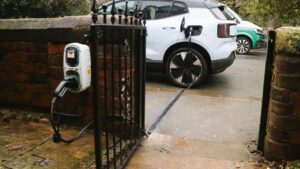
(Picture: Kerbo Charge)