Shetland is planning to replace its intra-island ferry service with a network of undersea tunnels connecting five islands including Unst, the most northerly of the British Isles. The plans, as reported in Highways News on previous occasions, are highly ambitious, but they have also been greeted with some scepticism.
Shetland is taking inspiration from the Faroe Islands, 200 miles further north in the Atlantic. Faroes Prime Minister Aksel Johannesen says Shetland could boost growth and revitalise island life by following the example of his country, which has been building tunnels since the 1960s.says the BBC in an extensive article.
The 18 islands, which make up the self-governing nation under the sovereignty of Denmark, are now connected by 23 tunnels four of which run below the sea. More are under construction.
Most dramatic is a 7.1 mile (11.4km) tunnel which connects the island of Streymoy to two sides of a fjord on the island of Eysturoy.
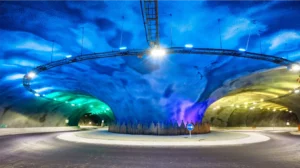
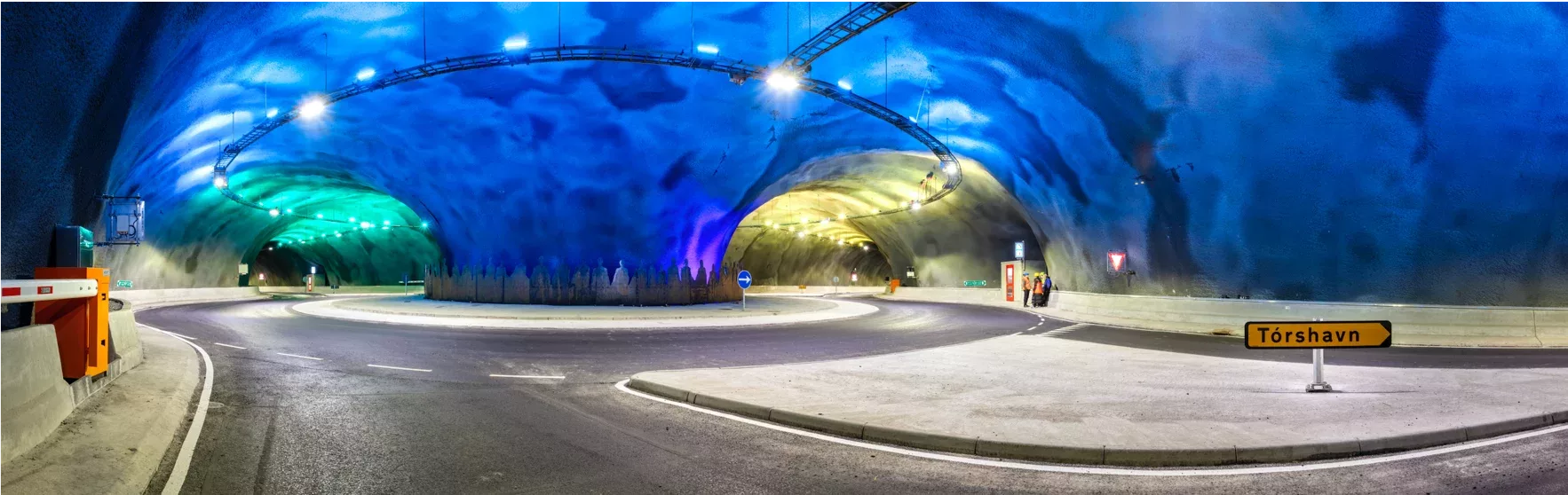
It includes the world’s only undersea roundabout. Nicknamed the jellyfish, driving around it is a dramatic experience showcasing an impressive feat of engineering.
At its deepest point the tunnel is 187m (614ft) below the waves and has halved the driving time between the capital Tórshavn and the second biggest town, Klaksvik.
“I think we have learned in the Faroe Islands that investment in infrastructure is a good investment,” Johannesen told us.
“Tunnels would really open up this island for businesses,” says Elizabeth Johnson, external affairs manager of Saxavord Spaceport on Unst. She adds that they would “enhance the economic viability of the island”.
But with neither the Scottish nor UK governments volunteering to pay for Shetland’s tunnels, the Faroese funding model of borrowing paid back by tolls looks likely to be adopted.
“I think people recognise that there is probably a need for tolling and I think people understand that,” says Macdonald.
She adds: “They already have to pay to go on the ferries.”
At present the council runs ferry services to nine islands, carrying around 750,000 passengers each year on 12 vessels at a cost of £23m per year.
The average age of the fleet is 31.5 years, costs have risen sharply in the past decade, and some routes are struggling to meet demand for vehicle places.
(Pic: Ólavur Frederiksen/Faroephoto.com)