The most comprehensive research project into young motorcyclists to date, commissioned to understand the attitudes, behaviours, needs and preferred methods of communication of young riders, has been launched by the National Young Rider Forum (NYRF).
Carried out with funding from The Road Safety Trust and support from Agilysis, the Young Riders Matter project comprised a casualty analysis of riders aged 16-24 years – as well as a survey completed by 250 young riders, with follow-up interviews.
The survey ensured young riders were placed at the centre of this project, which aims to be the focal point for stakeholders supporting this important cohort.
The casualty analysis showed that 22,161 young motorcyclists were injured between 2019 and 2023. Of all young motorcyclist casualties, 29% resulted in the rider being killed or seriously injured (KSI).
The largest group of casualties is those riding motorcycles with an engine size of 51 to 125cc. However, as motorcycles get larger, the severity ratio increases.
Of all young motorcyclist casualties from 51 to 125cc, 27% resulted in KSIs, compared with 35% on bikes ranging from 126 to 500cc and 50% on bikes over 500cc.
The research also shows:
- Rider casualties are disproportionately from deprived areas
- Rider casualties live and crash in urban areas
- T-junctions and conflicts with cars feature often
- Casualties often occur on weekdays and afternoons
The rider survey shows there is no single definition that captures everything it means to be a ‘young rider’, because these young people use a motorcycle for many different reasons; have different experience levels; and have different attitudes to safety and therefore behave in different ways.
Some do not even identify as motorcyclists; it is a form of transport and means to an end, rather than something that defines them.
Those who participated in the survey are aware of their vulnerabilities as motorcyclists and display good knowledge about the importance of helmet choice, maintenance, and wearing it correctly.
With regards the personal protective equipment (PPE), the majority reported wearing leather or textile gloves, jackets and boots. There were a minority who reported wearing hoodies, jeans or trainers and few respondents stated that they wore a leather one-piece suit, air vests or Hi-Viz or reflective gear.
In the interviews, there was agreement that purchasing PPE online was a “minefield” and that it can be difficult to find a trusted voice. They thought it was better if you could find a local in-person supplier who could discuss safety issues and provide advice on accredited gear.
It was also felt that there were opportunities to improve CBT, with many suggesting hazard perception, pre-learning, a theory test, or post-CBT support could be provided to help them.
The survey also revealed that:
- Instagram, WhatsApp, Snapchat and Facebook are most common social media channels used
- Most common sources of information on riding were search engines, online forums, friends/siblings, social media, motorcycle retailers/trainers
- Most participants would use a Young Riders’ App – they were favourable about an app containing route planning, safety tips, and further training
Ruth Purdie OBE, chief executive of The Road Safety Trust, said:
“It’s so important that we carefully look at the experiences of young motorcyclists. By understanding factors such as their motivation for riding, the choices they make or where they get their information from, we can work to find effective solutions to prevent further tragedies.
“The Government has made it clear through the proposals set out in the National Road Safety Strategy that the level of riders killed or seriously injured on our roads remains unacceptably high.
“I was pleased that the Trust could support such a comprehensive research project looking into this issue and I look forward to seeing how it can inform road safety policy and campaigns in the future.”
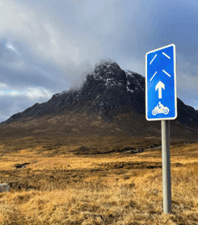
(Picture: Marcin Mierzejewski)