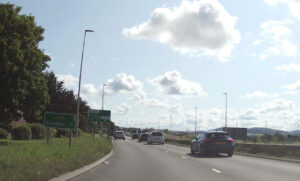

A new report from the Carbon Leadership Programme provides the first ever national baseline of carbon emissions from the maintenance and construction of local roads in England.
The report is designed to help local highway authorities save money and increase efficiency by measuring and identifying how to reduce carbon emissions.
Launched in June 2025, the Carbon Leadership Programme is supported by the Department for Transport and delivered by the Association of Directors of Environment, Economy, Planning & Transport (ADEPT) in partnership with Proving Services.

The report sets out a range of early findings, offering for the first time a national picture of both the carbon footprint of local roads and the extent to which authorities are adopting best practice to reduce it. It provides a clear and consistent starting point from which authorities can understand their current position, benchmark progress over time and identify the most impactful opportunities to reduce emissions across their networks.
To date, around 60 of England’s 153 local highway authorities have engaged with the programme, with 21 having completed the full assessments, contributing to this first national baseline.
This work directly supports the expectations set out in the newly published Local Transport Plan guidance, which places increased emphasis on the need for authorities to measure, manage and reduce carbon emissions across the lifecycle of transport infrastructure.
By establishing a consistent baseline, the programme provides a practical foundation to help authorities respond to these requirements and embed carbon considerations into future planning and investment decisions.“This marks a significant step forward for the sector,” said Angela Jones, ADEPT President. “For the first time, we have a consistent, national baseline of the carbon footprint of local highways maintenance and construction that will enable the sector to benchmark performance, track progress and plan low carbon futures.
“What is particularly encouraging is the clear link between operational efficiency and carbon performance, which shows that reducing emissions and running an efficient highways service are complementary goals, not competing ones.”
Simon Wilson, Director of Proving Services, said:
“This programme demonstrates just how much can be achieved when authorities are given the right tools and framework to measure and understand their carbon impact. As more authorities complete the assessments the baseline will become increasingly robust, strengthening the sector’s ability to benchmark performance and identify where the greatest opportunities for improvement lie”.
An updated report will be published in late summer 2026, reflecting findings from a larger number of completed assessments. Local highway authorities can now register their interest in joining the year two cohort.
For more information about the Carbon Leadership Programme, click HERE.
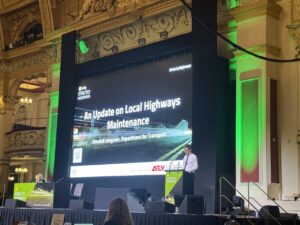
(Picture: Artiun Prekmoung)