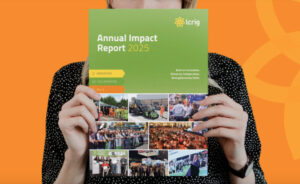

LCRIG have issues the third installment in its AI Mini-Guide Series, a set of practical, jargon-free resources designed to cut through the hype and show how AI can deliver real results in highways and road infrastructure technology.
Sponsored by Colas, this new guide focuses on how AI can support local authorities in responding to severe weather more effectively.
From surface sensors and road weather information systems (RWIS) to intelligent salt spreading and hazard prediction, AI tools offer new possibilities to keep roads safer while reducing cost, waste and environmental impact.
What’s Inside the Guide
- How AI is Being Used Today
- Emerging Trends
- Opportunities and Benefits
- Barrier and Challenges
- Limitations to Keep in Mind
It also features a detailed case study of an AI-powered Smart Winter Management solution that uses machine vision to automatically detect changes in snow coverage from road camera images in real-time. In addition, it presents two real-world examples of how AI is already enhancing outcomes for highway authorities through AI-driven infrastructure modelling and vehicle telematics.
Mark Saunders, UK Client Director at Colas Ltd, said:
“The roads sector continually adapts to ensure the safe, efficient management of the assets critical to keep people moving. One of the latest pressures on these assets is the ever-changing environmental conditions we all face. We are pleased to support LCRIG’s new Mini-Guide, which puts the spotlight on the use of AI to understand, anticipate and respond to adverse weather, improving resilience in day-to-day operations while ensuring the trust and confidence of residents and the travelling public.”
(Picture: LCRIG)