
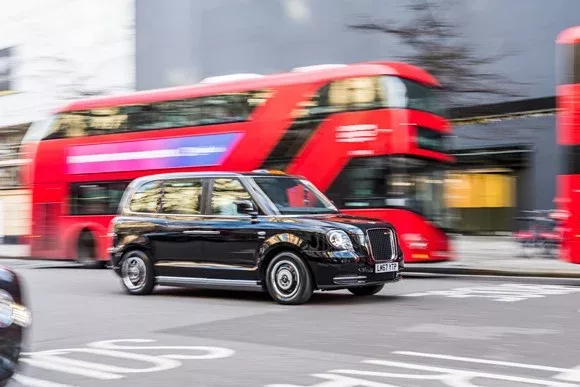
London taxi drivers face the threat of a black cab shortage after a Chinese manufacturer radically scaled back production. Drivers and fleet operators in the capital have complained of nine-month waiting times for even small numbers of cars from the London Electric Vehicle Company (LEVC), which is currently the sole manufacturer available, says The Telegraph.
Dwindling demand for black cabs means the Coventry-based group, owned by Chinese giant Geely, has cut production of the celebrated vehicles as the popularity of ride-hailing apps lead to fewer drivers.
But its “build-to-order” policy has been blamed for creating a shortfall of electric taxis, just as net zero rules imposed by Transport for London (TfL) force drivers to retire their older diesel vehicles and buy new ones.
Mick Walker, the secretary of the London Cab Drivers Club, said:
“Everyone is starting to realise the trade is in serious trouble. There are drivers being put out of work now because they cannot actually get a vehicle.”
Steve McNamara, the general secretary of the Licenced Taxi Drivers’ Association, stressed that the secondhand market for black cabs remained healthy, giving individuals an alternative option.
But he warned that things were particularly tough for fleet operators that only buy new.
Colts Cabs, London’s largest fleet operator with more than 1,000 cabs, typically replaces between 100 and 200 vehicles per year but said it had been offered just 10 cars when it attempted to order 30 in March.
China’s Geely acquired the London Taxi Company, now known as LEVC, in 2013. The automotive giant, which also owns Lotus, Volvo and Polestar, later invested £500m in a cutting-edge factory in Ansty Business Park on the outskirts of Coventry. Its business plan assumed demand for its world-famous taxis from London and other world cities, with a van variant also developed as a sideline.
However, industry sources say demand in both categories has been disappointing globally.
In particular, LEVC says it has cut production in response to a dramatic decline in the number of licenced taxi drivers in London.
Since 2020, the figure has plunged from about 20,400 to 15,900.
However, cabbies argue that the company’s “build-to-order” policy is failing to keep pace with demand for replacement vehicles, creating a vicious feedback loop where cars become even less affordable and more drivers are squeezed out.
Under TfL rules related to air quality, black cabs must be retired after 12 years.
The policy will mean some 1,300 cars are taken off the streets in the next 11 months alone, according to the London Cab Drivers Club.
(Picture: TfL)