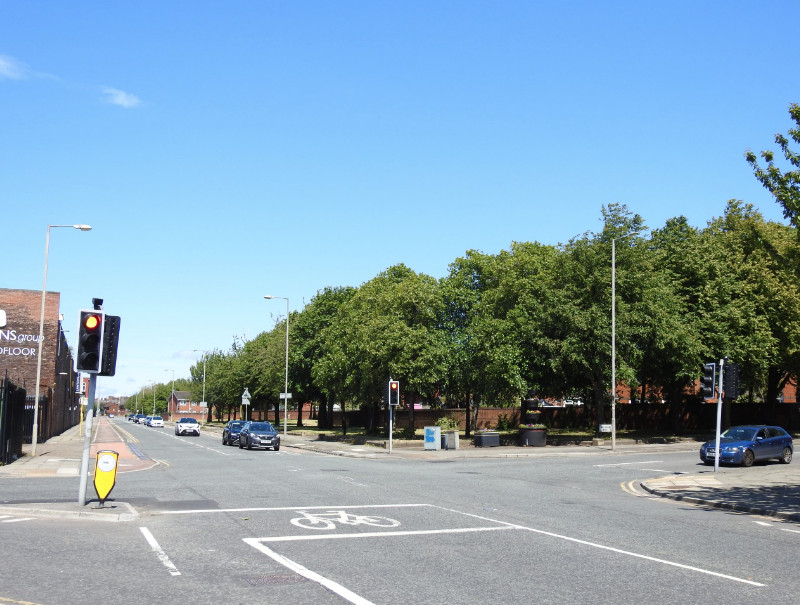
A £12m scheme to improve safety and accessibility along one of Liverpool’s key routes will get underway tomorrow, with works to improve more than 2km of Vauxhall Road between Tithebarn Street and Sandhills Lane.
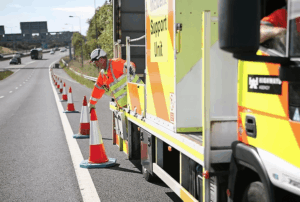
Initial works will include surveys of the area, which will be carried out under lane closures to help keep staff safe. These will be clearly marked, but drivers are advised to plan ahead, allow extra time for journeys, and use alternative routes where possible.
The scheme includes upgraded footpaths, a fully segregated cycle lane and new pedestrian crossings at busy junctions, including Leeds Street, Burlington Street, Boundary Street and Sandhills Lane.

The carriageway will also be resurfaced as part of the scheme, making journeys smoother for all road users, while improved drainage will help reduce surface water on the highway.
Works on the route are expected to continue into 2028.
To enable the works to be carried out safely, some phases of the project will require temporary traffic management measures, including road closures and diversion routes.
Improving safety is a central focus of the scheme, which is designed to reduce the number of collisions along the route. Initial proposals were shared with residents in September 2024, with 81 per cent of respondents supporting the plans.
Public engagement events are planned to help keep residents, businesses and road users informed throughout the project.
The project forms part of the Liverpool City Region Combined Authority’s Local Cycling and Walking Infrastructure Plan, which is developing a network of high‑quality active travel routes across the region.
More information about the scheme, including upcoming works and traffic management arrangements, will be shared throughout the project.
Councillor Dan Barrington, Cabinet Member for Transport and Connectivity, said:
“We are committed to investing in key routes on our road network right across the city to make them safer and more accessible for everyone to use.
“The improvements on Vauxhall Road will give people more choice in how they travel, whether that’s walking, wheeling, cycling, or using public transport.
“And for those who continue to travel by car, better‑designed junctions, clearer crossings and fully segregated cycle lanes mean safer, more predictable journeys for all road users.”
(Picture: Liverpool City Council)