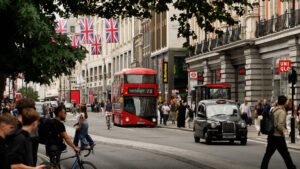

The start of the pedestrianisation of London’s Oxford Street marks a significant change for one of the capital’s busiest destinations, with the scheme intended to create a more attractive environment for shoppers and pedestrians. However, the plans have proved controversial, with questions raised over their impact on surrounding roads, traffic flows and access for buses, taxis and other essential vehicles.
As the scheme gets under way, attention will turn to whether the benefits of a more pedestrian-friendly high street can be achieved without simply shifting congestion elsewhere. TomTom’s Global Traffic Lead, Douglas Gilmour, says traffic analysis will be vital in understanding the effects of the changes and identifying any unintended consequences.
“Pedestrianising Oxford Street could make one of Britain’s busiest shopping destinations more welcoming while reducing conflict between vehicles and the public,” he argues. “UK high-street footfall is under pressure, so we need to create places where people feel safe and want to spend longer to support wider regeneration.

“However, it’s important to remember that traffic doesn’t just disappear when a road closes. Planners need to understand where vehicles reroute, whether congestion builds on neighbouring streets and how buses, taxis, deliveries and emergency services continue to provide access. Before-and-after traffic analysis is essential to identifying unintended consequences and adjusting the scheme accordingly. That lesson applies beyond Oxford Street. Successful pedestrianisation should create a safer, stronger high street without compromising accessibility or the reliability of the surrounding transport network.”
(Picture: Mayor of London)